Folk Music and Dance – Experience the Heartbeat of Sri Lanka’s Cultural Soul
● Introduction Sri Lanka’s folk music and dance traditions offer one of the most vibrant windows into the...

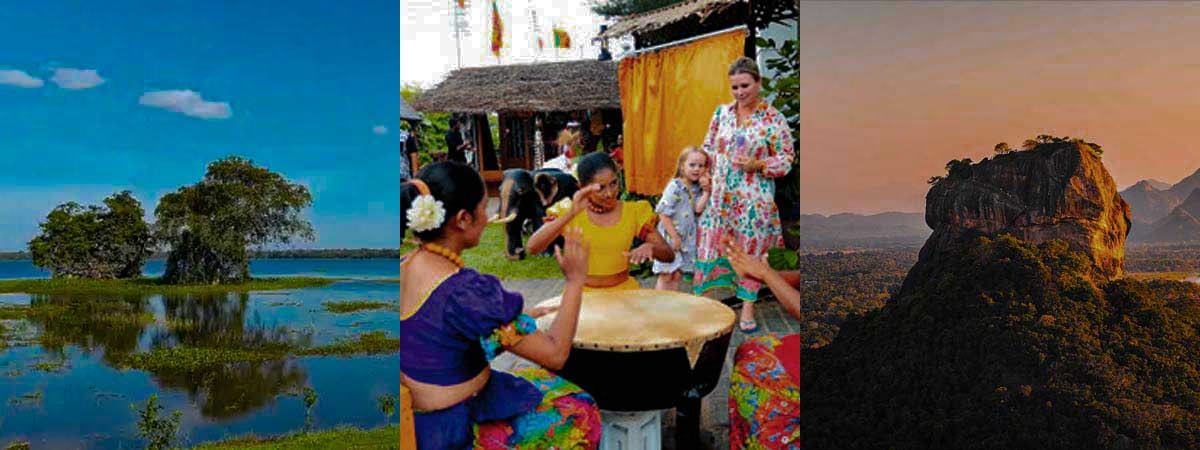
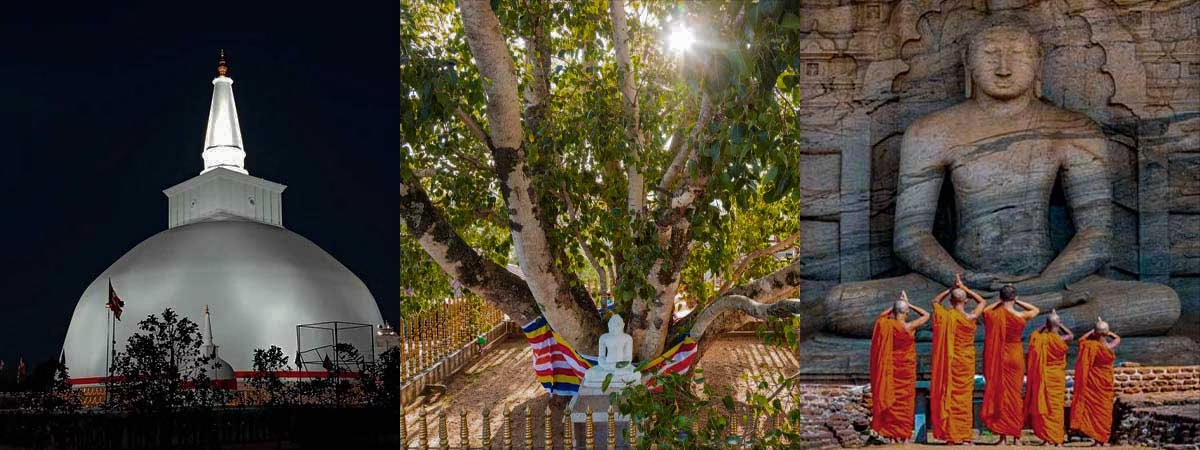
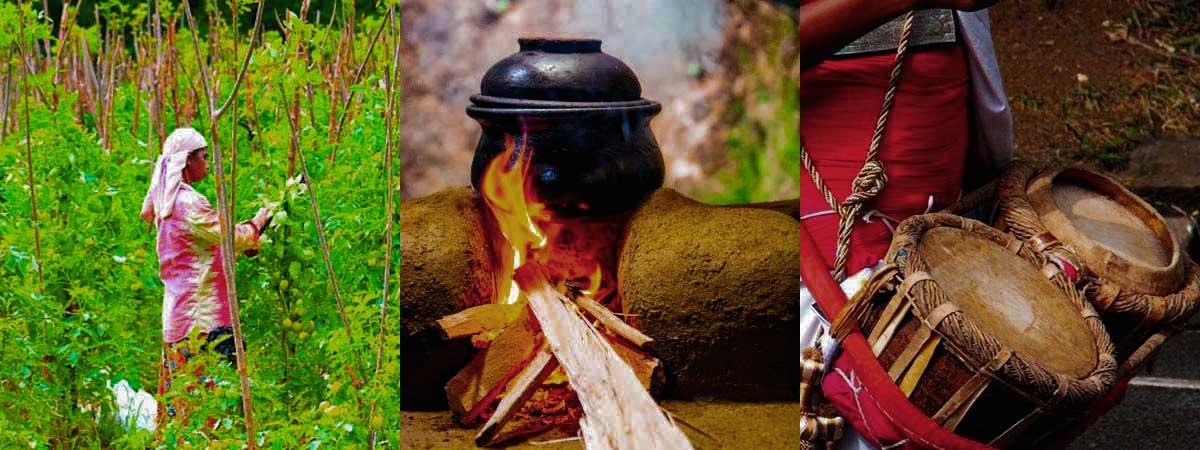
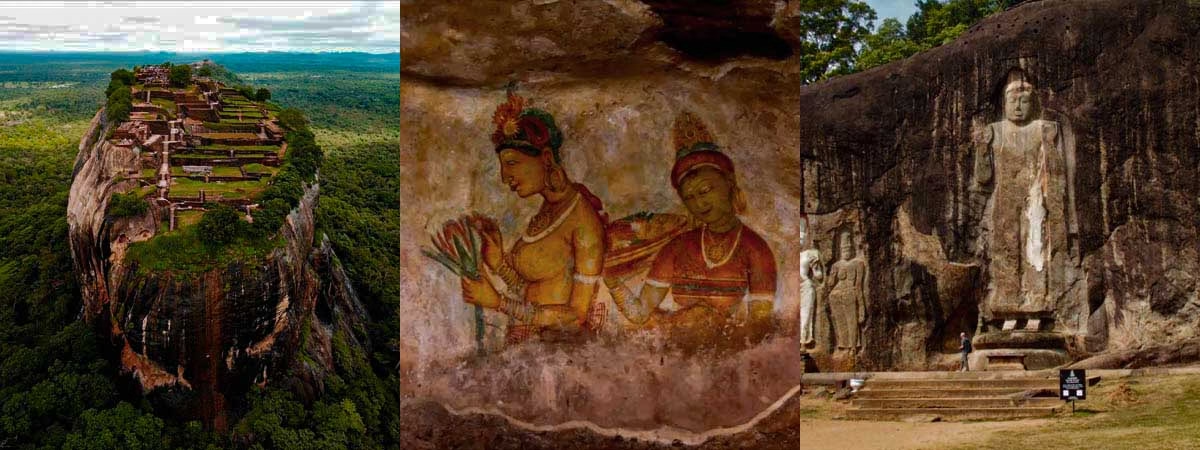
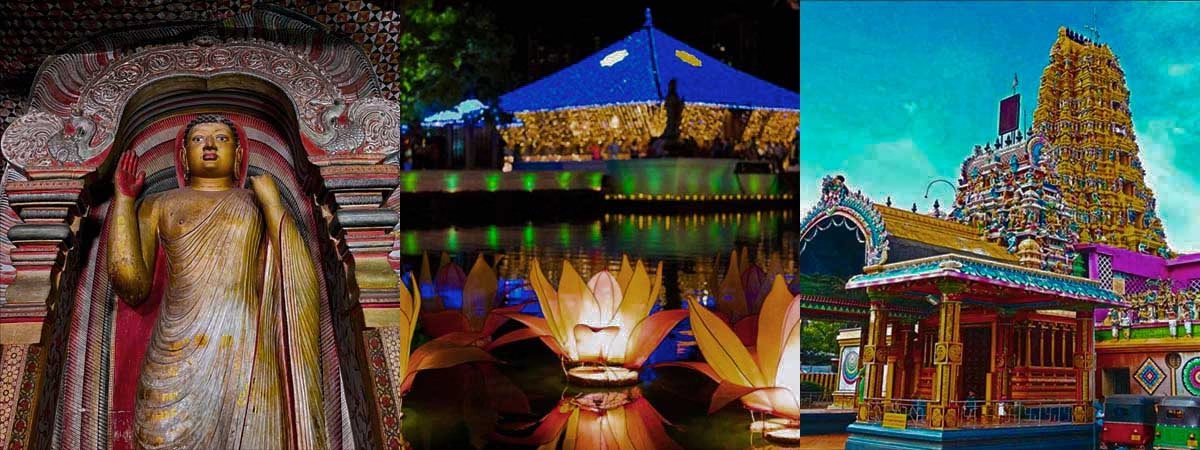
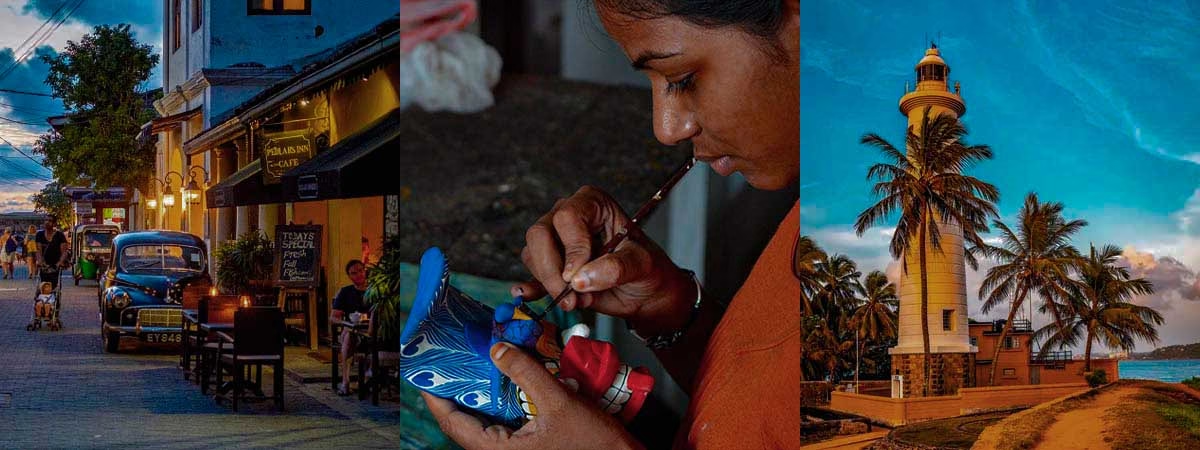
In Sri Lanka, culture is not preserved in museums — it lives in temples, streets, villages, and homes. Festivals are moments when this living heritage becomes visible in its most vibrant form. Drums echo through ancient cities, lanterns illuminate village paths, incense rises from temple courtyards, and generations gather to honor traditions that have endured for centuries.
Across the island, religious devotion, agricultural rhythms, and community identity are expressed through ceremonies and celebrations. Buddhist processions, Hindu temple festivals, village rituals, and seasonal gatherings each reveal a different layer of Sri Lanka’s cultural life. These are not performances created for visitors; they are authentic moments of continuity connecting past and present.
This journey is designed to experience Sri Lanka through these living traditions. Moving gradually from the Cultural Triangle to the hill country and the southern coast, the itinerary brings together sacred rituals, music, dance, craftsmanship, and everyday cultural expression. The pace remains calm and thoughtful, allowing time to observe, understand, and connect.
Rather than simply visiting places, this journey invites travelers to witness culture in motion — the rhythms, beliefs, and celebrations that continue to shape Sri Lanka today.
Distance: ~170 km | Travel Time: 4–4.5 hrs
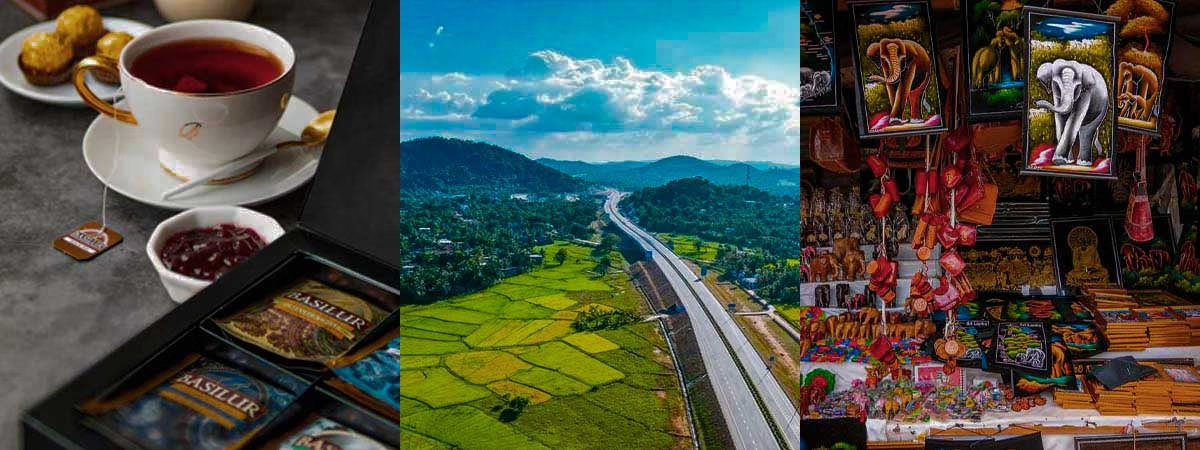
Your journey begins with a gentle transition from Sri Lanka’s coastal plains into the interior of the island. As the road moves inland, urban landscapes gradually give way to open farmland, irrigation lakes, and quiet forest patches. These reservoirs, known locally as wewas, are part of an ancient hydraulic civilization that has supported communities for over two thousand years.
Arriving in the Cultural Triangle introduces travelers to the landscape where Sri Lanka’s earliest kingdoms flourished. This region is not only historically significant — it remains deeply connected to traditional village life, Buddhist philosophy, and agricultural rhythms.
The afternoon is intentionally unhurried, allowing time to rest, adjust to the climate, and absorb the calm atmosphere of the countryside.
Highlights
Activities
Hotel: Habarana Village | Sigiriya Village | Elephas Resort
The day begins in a nearby village where daily life continues much as it has for generations. Walking along narrow paths beside paddy fields and small lakes reveals the quiet rhythm of rural Sri Lanka. Farmers tend their land, birds gather near water channels, and village homes sit shaded beneath coconut and mango trees.
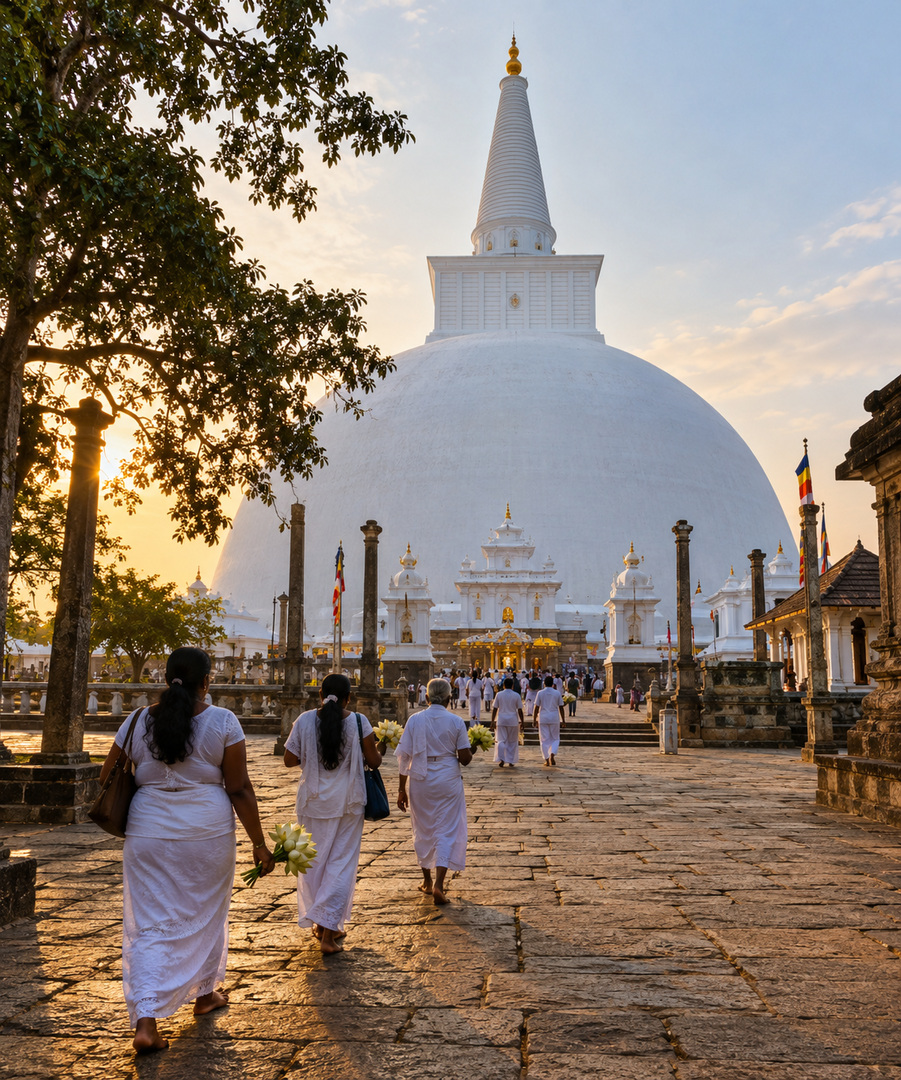
At a local temple, visitors may observe morning offerings — flowers placed before Buddha statues, incense drifting through the air, and monks chanting softly. These simple rituals form part of everyday spiritual life.
A home-style meal prepared by a village family offers insight into Sri Lanka’s culinary traditions, where cooking remains closely tied to seasonal produce and community life.
This experience provides an intimate introduction to Sri Lanka’s cultural foundation — agriculture, spirituality, and hospitality woven together.
Highlights
Activities
Hotel: Habarana Village | Sigiriya Village
Rising dramatically above the surrounding plains, Sigiriya Rock Fortress reflects one of Sri Lanka’s most remarkable historical achievements. Built in the 5th century, the site combines royal ambition, artistic expression, and sophisticated urban planning.
As visitors ascend the rock, they encounter ancient frescoes, mirror walls, landscaped gardens, and panoramic views stretching across forests and farmland. The experience reveals both the grandeur of an ancient kingdom and the natural beauty of the region.
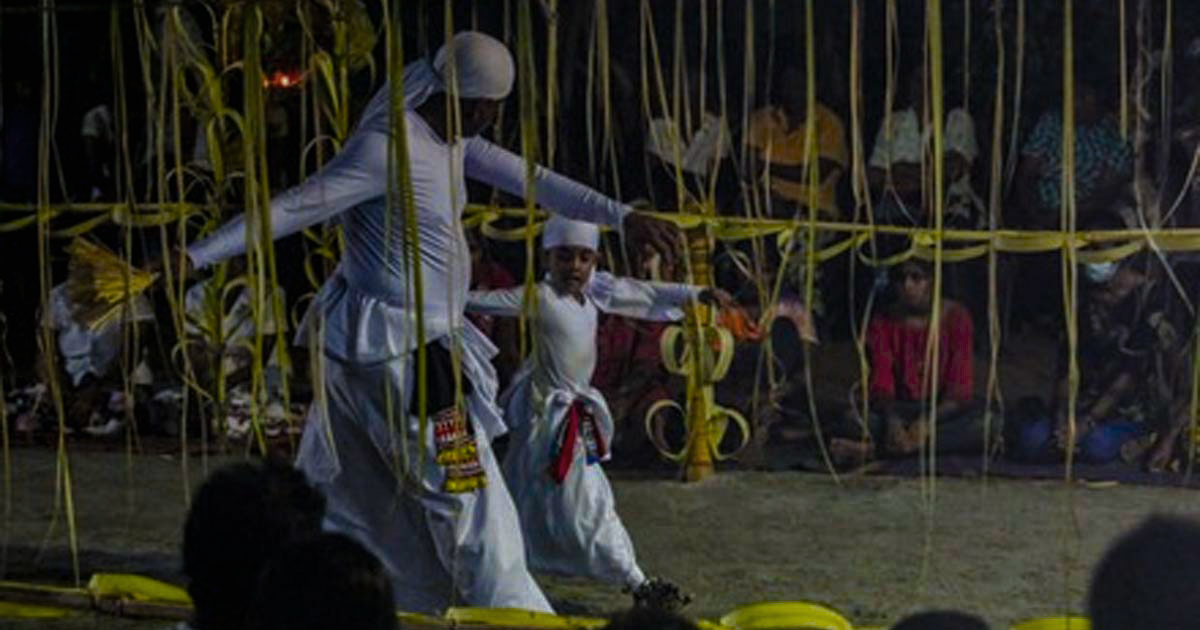
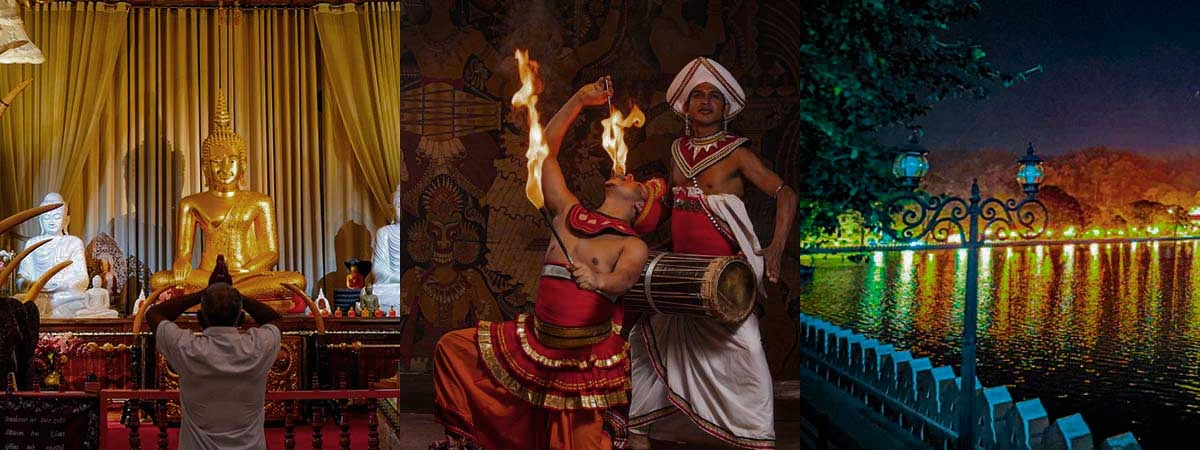
In the evening, a traditional cultural performance brings Sri Lanka’s ritual arts to life. Kandyan drumming, masked dances, and fire performances originate from temple ceremonies and healing traditions that have been practiced for centuries.
The rhythmic drums and vibrant costumes create a powerful sensory introduction to Sri Lanka’s artistic heritage.
Highlights
Activities
Hotel: Habarana Village | Sigiriya Village
Distance: ~90 km | Travel Time: 3–3.5 hrs
Travel south toward Kandy, stopping at the Dambulla Cave Temples along the way. Inside the caves, painted ceilings and serene Buddha statues reflect centuries of devotion and artistic craftsmanship. The atmosphere is quiet and contemplative.
Arriving in Kandy introduces Sri Lanka’s spiritual capital. Nestled among hills and centered around a tranquil lake, the city blends royal history, religious importance, and everyday urban life.
The highlight of the day is visiting the Temple of the Sacred Tooth Relic during evening worship. Drums, incense, and offerings create a deeply spiritual atmosphere that remains central to Sri Lankan Buddhist identity.
Highlights
Activities
Hotel: Fox Kandy | Cinnamon Citadel | Theva Residency
Kandy’s cultural identity extends beyond temples. Artisan workshops, traditional dance schools, and local markets reveal how heritage continues to shape everyday life.
Craftsmanship such as wood carving, textile weaving, and lacquer work reflects skills passed down through generations. These traditions often connect directly to temple rituals and festivals.
If visiting during festival preparation periods, the city takes on a unique energy — drummers practicing, decorations appearing, and communities preparing for celebration.
Highlights
Activities
Hotel: Fox Kandy | Cinnamon Citadel
Distance: ~80 km | Travel Time: 3–4 hrs
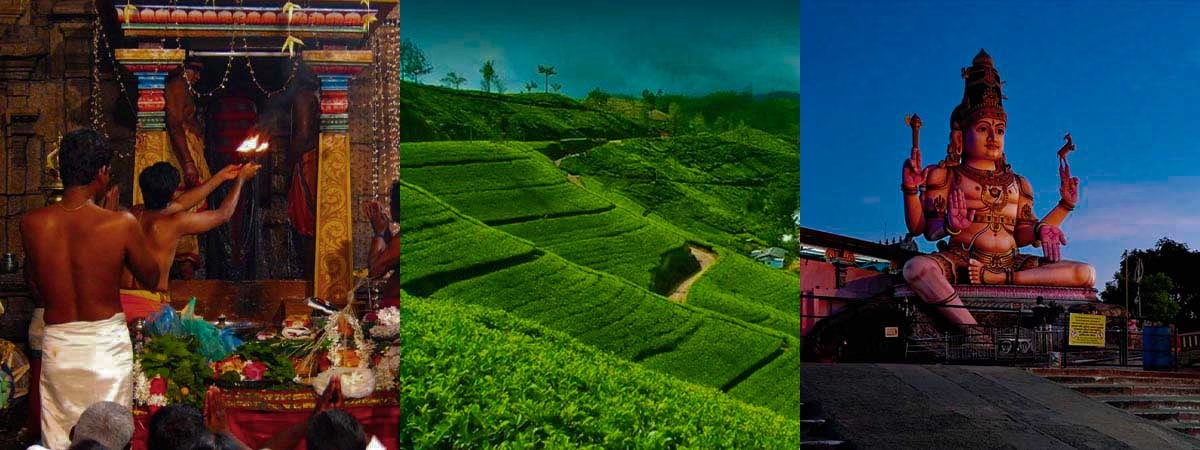
Ascending into the central highlands, the climate becomes cooler and the scenery transforms into rolling tea estates and mist-covered mountains.
Tea cultivation, introduced during the colonial era, reshaped both the landscape and local communities. Tamil estate workers developed distinct cultural traditions that remain part of hill-country identity.
Visiting a tea plantation reveals the story behind Ceylon Tea — from leaf picking to processing — while also offering insight into plantation life.
Highlights
Activities
Hotel: The Blackpool | Araliya Red | Oak Ray Tea Bush
Exploring smaller highland communities reveals daily life shaped by tea cultivation and mountain living. Visits to village temples or small Hindu shrines highlight the spiritual traditions of estate communities.
The slower pace and cool climate create a peaceful day of cultural observation and relaxation.
Highlights
Activities
Hotel: The Blackpool | Araliya Red
Distance: ~170 km | Travel Time: 4–5 hrs
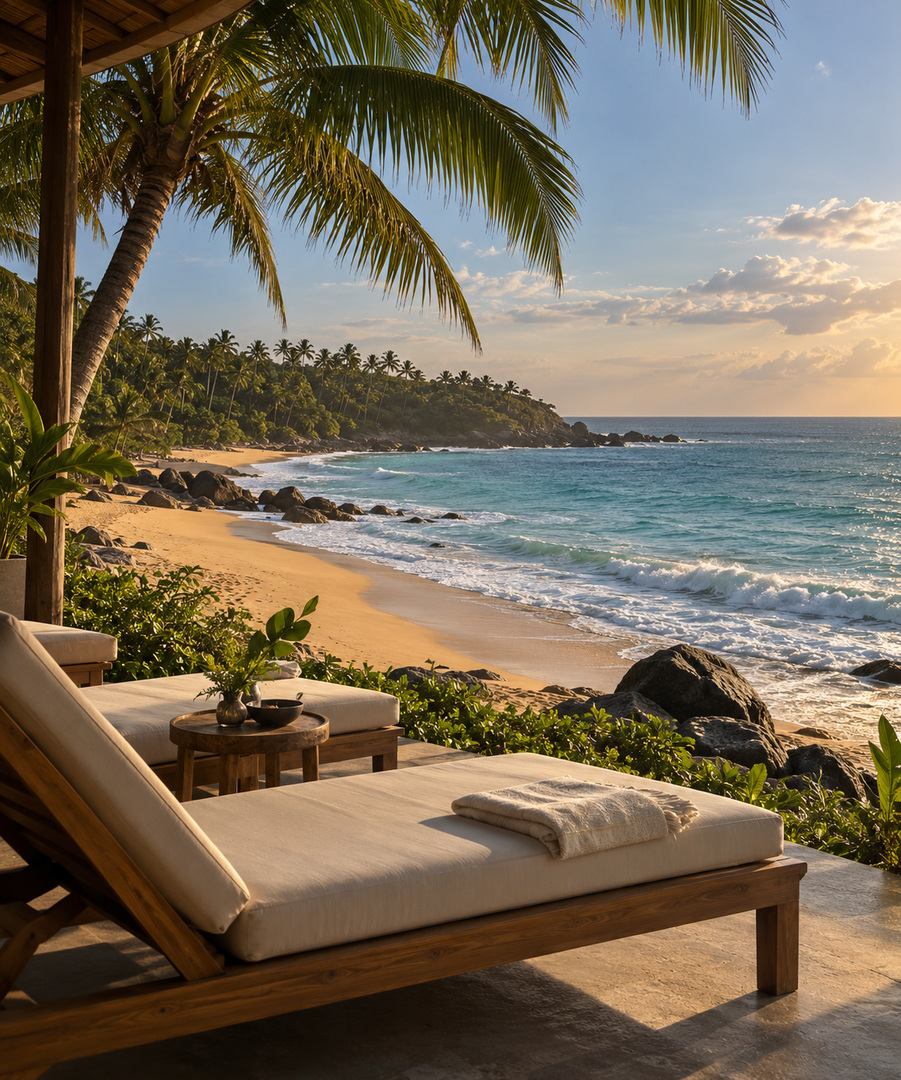
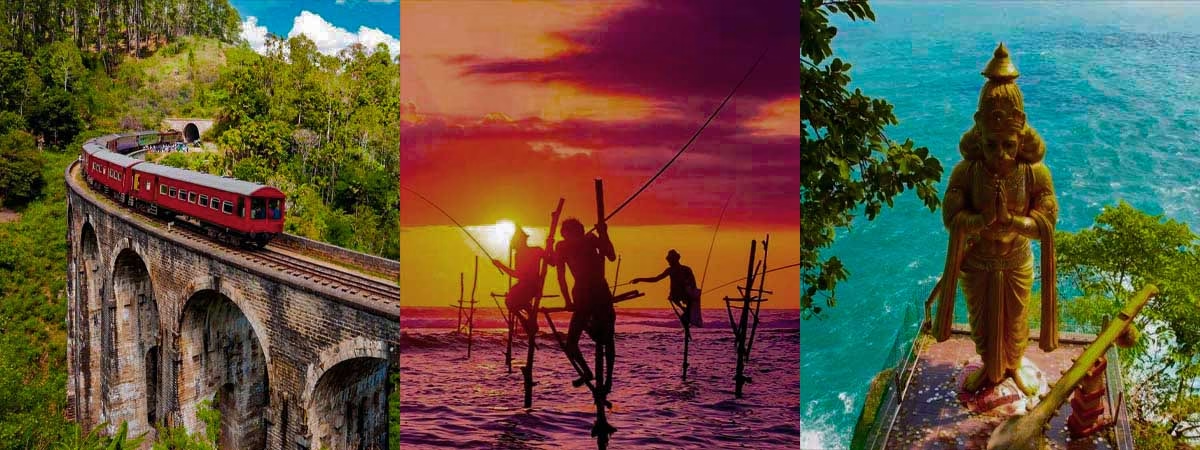
Descending from the mountains toward the southern coast reveals dramatic changes in landscape and culture. Rivers, forests, and eventually the ocean appear as the road approaches Galle.
Coastal communities have long traditions tied to fishing, trade, and temple festivals.
Highlights
Activities
Hotel: Mango House | Fort Bliss | The Bartizan
Walking through Galle Fort reveals centuries of maritime history shaped by Portuguese, Dutch, and British influence. Today, the fort remains a living town where heritage architecture blends with contemporary life.
Nearby temples and village shrines reflect southern cultural traditions, often connected to fishing communities and seasonal rituals.
Highlights
Activities
Hotel: Mango House | Fort Bliss
Hotel Options
A relaxed morning allows time to reflect on the journey before returning to the airport.
The experience concludes with a deeper understanding of Sri Lanka’s cultural celebrations — not as performances, but as living traditions shaped by community, faith, and history.