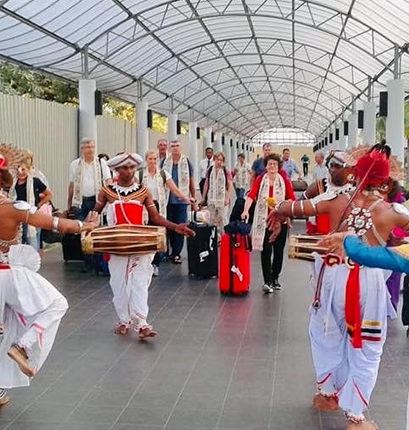
Village Walks in Sri Lanka – A Peaceful Journey into Authentic Local Life
● Introduction Village walks in Sri Lanka offer one of the most genuine ways for travelers to experience...

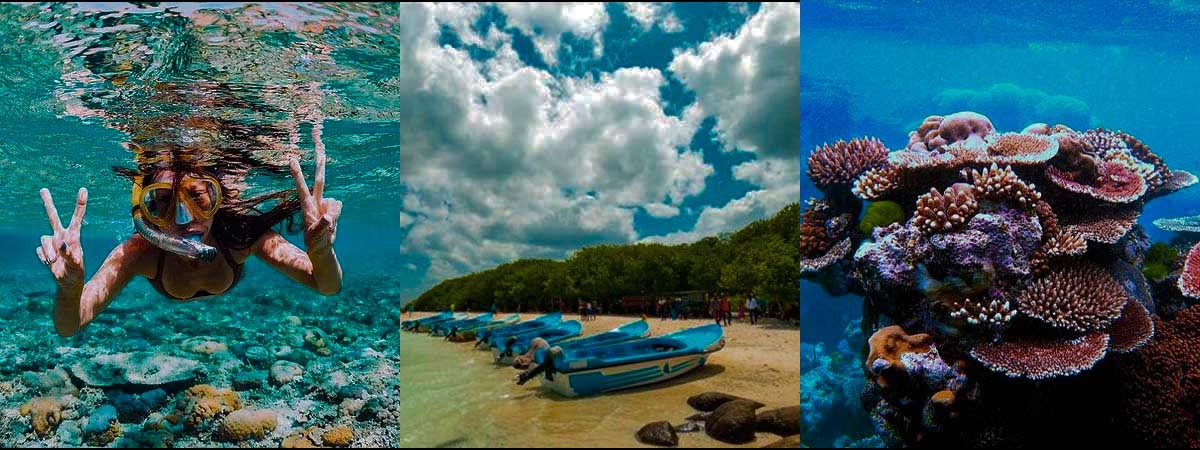
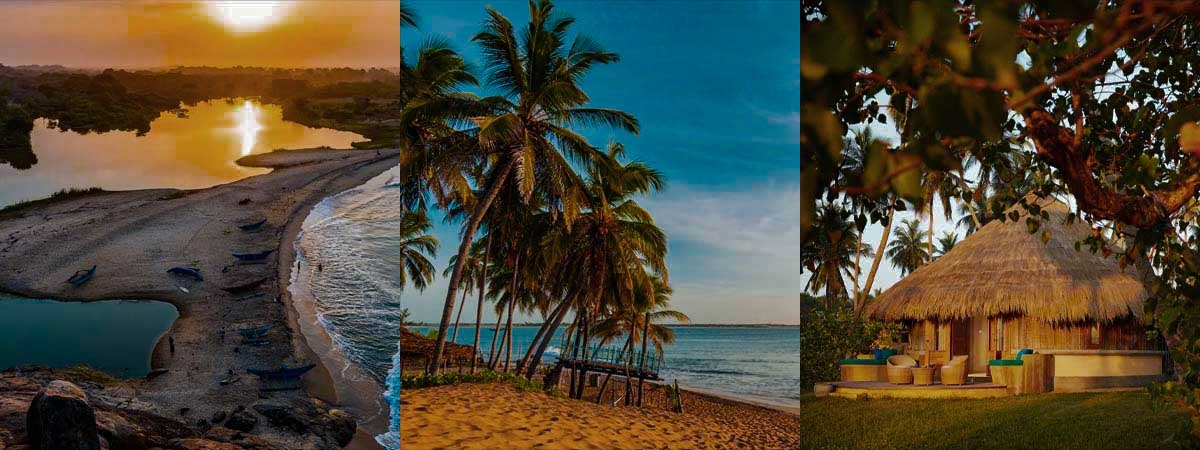

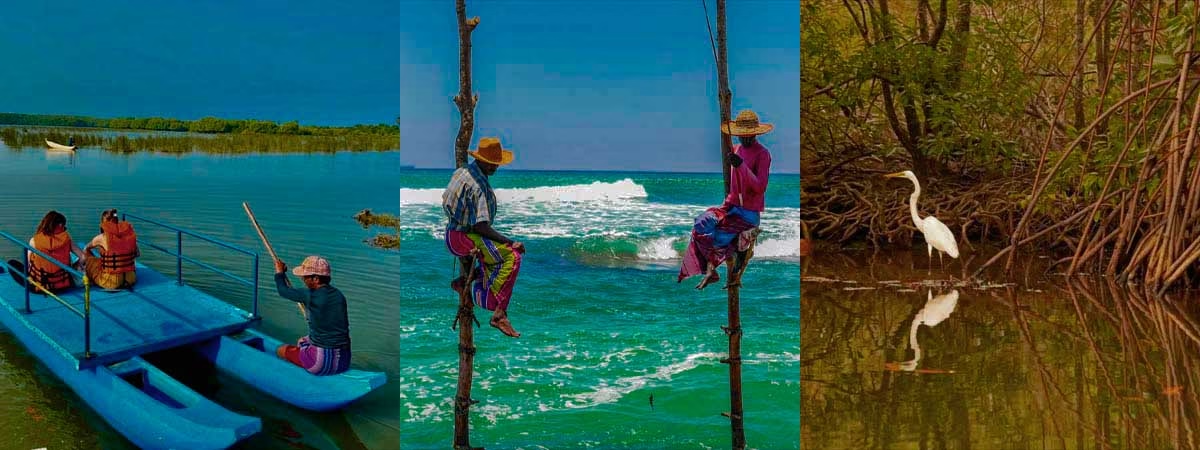
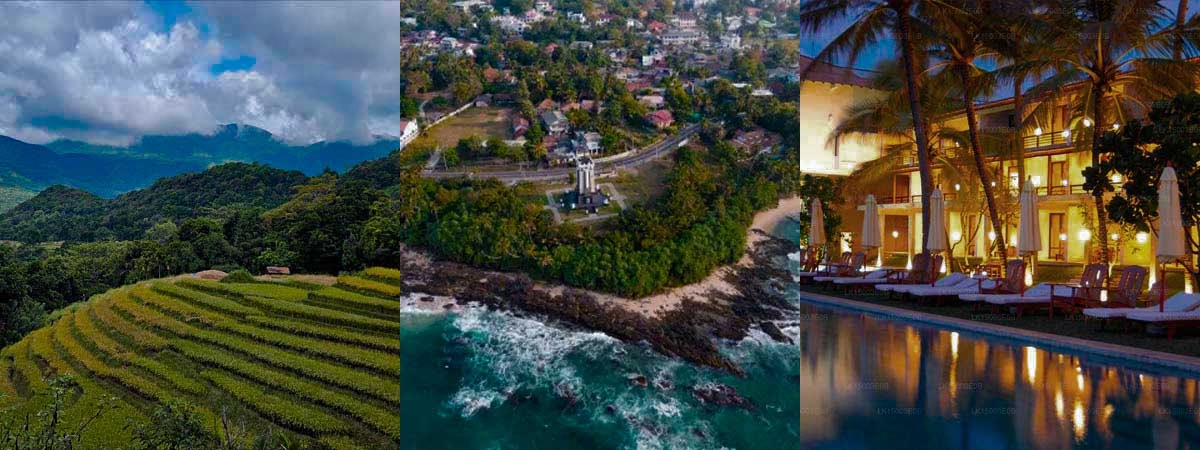
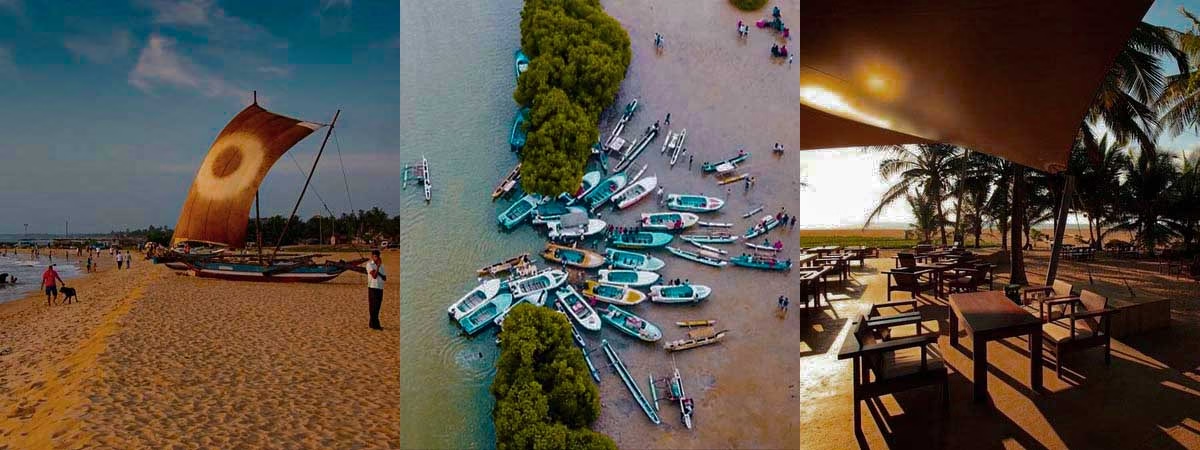
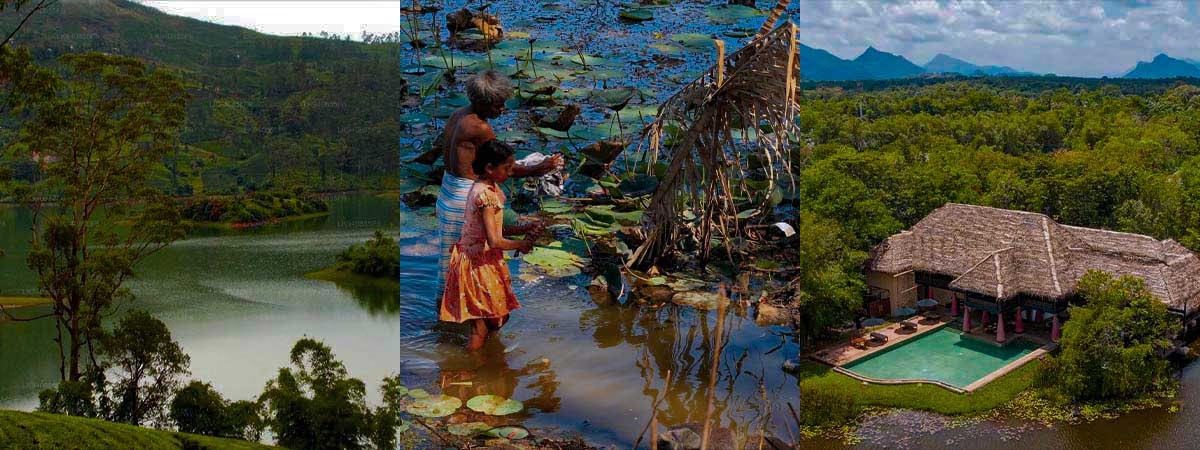
Sri Lanka’s east coast offers a different kind of journey — one defined by open horizons, quiet beaches, and the gentle rhythm of the Indian Ocean. Less traveled than the southern coastline, the east reveals a slower, more reflective side of island life, where fishing communities, temples, lagoons, and surf culture coexist naturally.
This journey connects the Cultural Triangle with Trincomalee’s historic harbor and the relaxed energy of Arugam Bay. Along the way, travelers experience ancient heritage, Hindu temple traditions, marine ecosystems, and the simple calm of coastal living. Days unfold gradually, allowing time for both exploration and rest.
Rather than focusing only on destinations, the itinerary follows a rhythm — inland history leading to the ocean, movement giving way to stillness, and culture blending seamlessly with nature. The result is a balanced introduction to Sri Lanka’s eastern landscapes and communities
Destination Significance
Sri Lanka’s Cultural Triangle represents the foundation of the island’s civilization, where ancient kingdoms developed sophisticated irrigation systems and spiritual traditions that still influence daily life. The region’s reservoirs, forests, and farmland reflect a deep relationship between people and nature that has endured for centuries.
Arriving here allows travelers to begin their journey in Sri Lanka’s rural heartland, where the pace of life is calm and grounded. The countryside reveals traditional agriculture, village temples, and landscapes shaped by ancient engineering and seasonal rhythms.
Beginning the journey inland rather than at the coast creates context — connecting visitors first to Sri Lanka’s history, culture, and environment before moving toward the ocean.
Day Description
After arrival, the journey moves away from the coastal plains toward the island’s interior. Coconut groves gradually give way to forest reserves, village homes, and wide reservoirs reflecting the sky.
The afternoon remains intentionally quiet, allowing time to rest and adjust to the tropical climate. The sounds of birds, distant temple bells, and rustling trees replace the pace of travel.
This gentle beginning sets the tone for the days ahead — unhurried, grounded, and connected to place.
Highlights
Activities
Hotel Options
Destination Significance
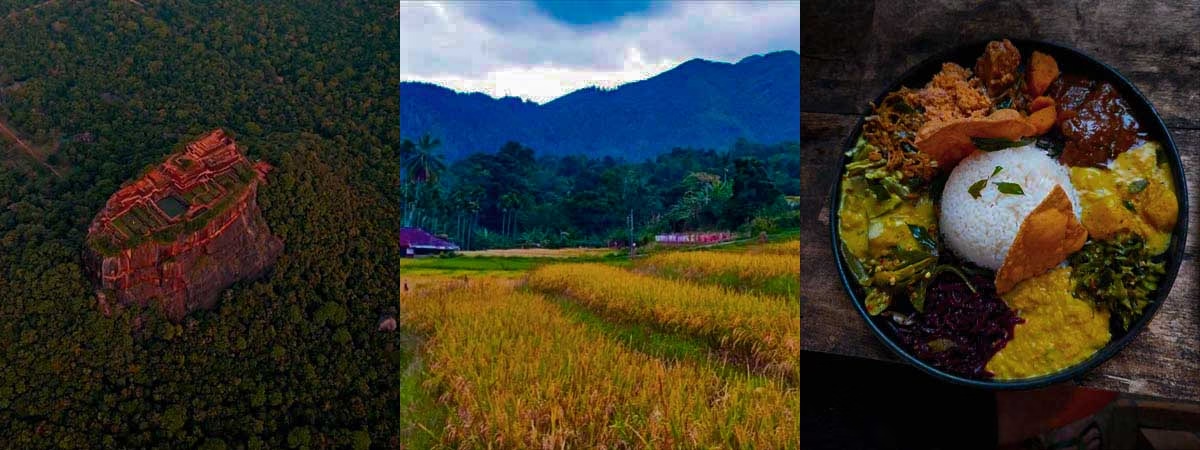
Sigiriya represents one of Sri Lanka’s most remarkable historical achievements — a royal citadel built atop a towering rock in the 5th century. Its gardens, frescoes, and engineering reflect artistic ambition and advanced planning that still impress visitors today.
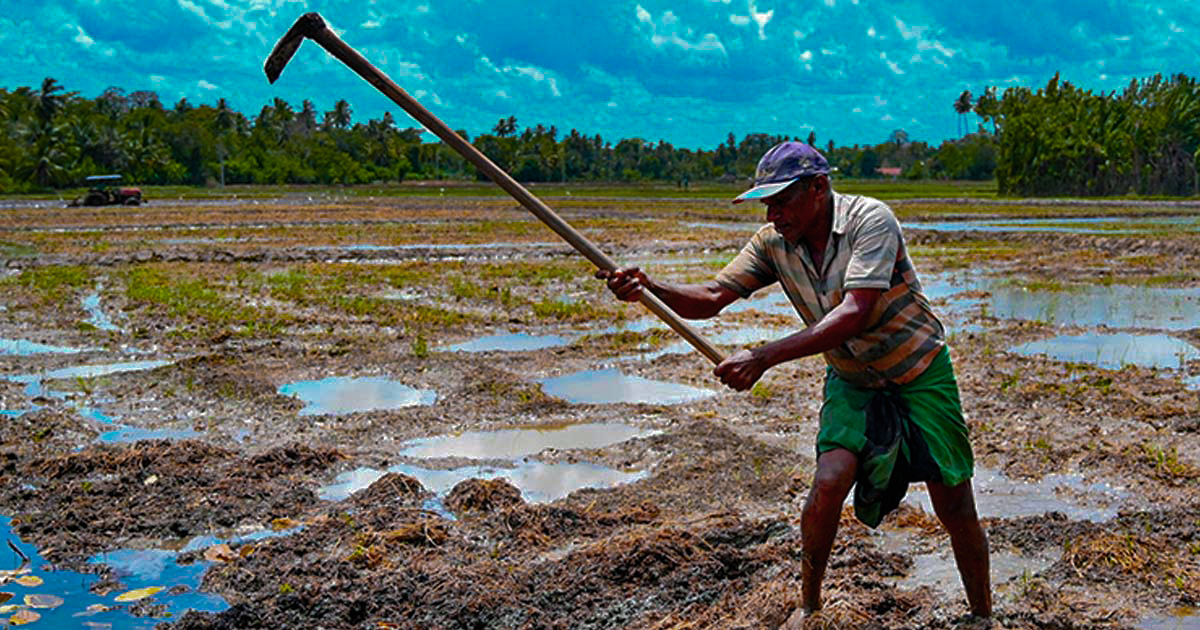
Beyond the rock fortress, surrounding villages preserve agricultural traditions that have remained largely unchanged for generations. Farming, irrigation, and community life continue to follow seasonal cycles rooted in ancient knowledge.
Together, Sigiriya and its villages illustrate continuity between past and present — royal history alongside everyday rural life.
Day Description
The day begins early with the ascent of Sigiriya Rock Fortress, when the air is cooler and the surrounding plains are still quiet. As the climb progresses past ancient frescoes and stone stairways, the view gradually opens across forest and farmland.
Later, the experience shifts from history to daily life. A village walk passes paddy fields, irrigation canals, and home gardens. The pace slows naturally, guided by conversation and observation rather than schedules.
A simple home-style meal completes the day — warm, local, and deeply authentic.
Highlights
Activities
Hotel Options
Destination Significance
Trincomalee is one of South Asia’s most historically significant harbor towns. For centuries, traders, pilgrims, and sailors from across the Indian Ocean visited this natural harbor, drawn by its deep waters and spiritual landmarks.
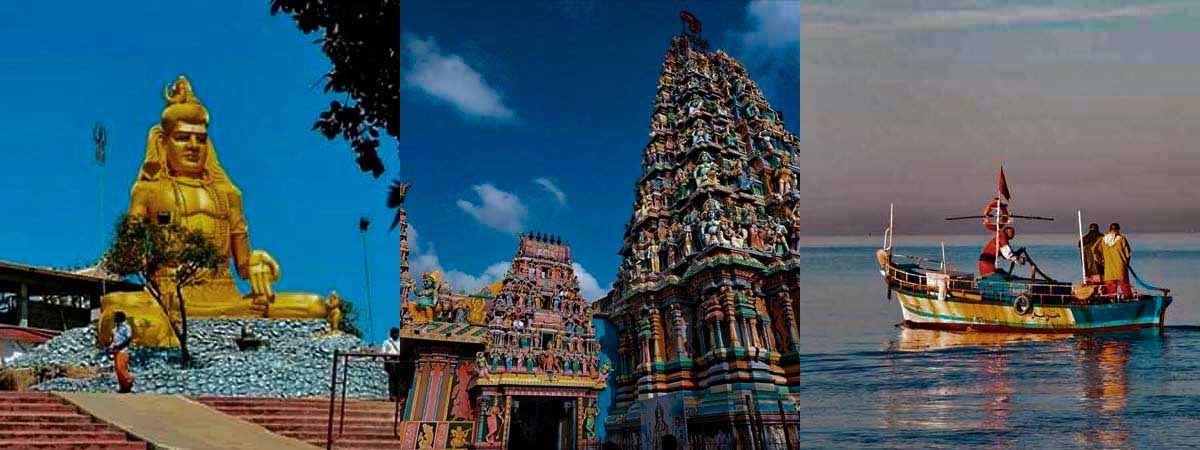
The region is also an important center of Tamil Hindu culture, particularly at Koneswaram Temple, which stands dramatically above the sea. The surrounding coastline reflects a blend of cultures shaped by trade, religion, and fishing traditions.
Arriving in Trincomalee introduces travelers to Sri Lanka’s eastern identity — quieter, coastal, and deeply connected to the ocean.
Day Description
The journey eastward passes through forest reserves and open countryside before the air becomes warmer and salt-scented. The first view of Trincomalee’s harbor signals arrival at the coast.
The afternoon is unstructured, allowing travelers to experience the beach slowly — walking along the shoreline or resting beside the sea.
The shift from inland landscapes to open ocean feels both refreshing and grounding.
Highlights
Activities
Hotel Options
Destination Significance
Koneswaram Temple is one of the most sacred Hindu temples in Sri Lanka, dedicated to Lord Shiva and overlooking the Indian Ocean from a dramatic cliffside location. The temple has been a spiritual landmark for centuries, drawing pilgrims from across the region.
The surrounding coastline reflects centuries of maritime culture, where fishing communities and religious traditions remain closely connected to the sea.
Including this experience introduces travelers to Sri Lanka’s cultural diversity and spiritual heritage.
Day Description
Morning begins with a visit to Koneswaram Temple, where incense, ocean wind, and prayer chants create a deeply atmospheric setting. From the cliffside, the sea stretches endlessly across the horizon.
The remainder of the day returns to the beach, balancing cultural discovery with coastal calm.
The rhythm of temple bells and ocean waves defines the day.
Highlights
Activities
Hotel Options
Destination Significance
Nilaveli Beach and Pigeon Island Marine Park represent one of Sri Lanka’s most important marine ecosystems. Coral reefs, tropical fish, and clear waters support biodiversity unique to the eastern coastline.
The area also reflects the simplicity of coastal living, where fishing villages and natural landscapes coexist with tourism in a balanced way.
This experience connects travelers directly to the island’s marine environment.
Day Description
A short boat ride reaches Pigeon Island, where shallow coral reefs and calm waters create ideal conditions for snorkeling. Beneath the surface, reef fish move through coral formations shaped over centuries.
Returning to Nilaveli, the afternoon is spent along one of Sri Lanka’s most peaceful beaches.
The day ends with the gentle sound of waves along the shore.
Highlights
Activities
Hotel Options
Destination Significance
The journey south along Sri Lanka’s eastern coastline reveals landscapes shaped by lagoons, fishing villages, and long stretches of untouched shoreline. Unlike the busier southern coast, this region remains deeply connected to nature and traditional livelihoods. Communities here rely on fishing, small-scale farming, and seasonal tourism, maintaining a balance between land and sea that defines coastal life.
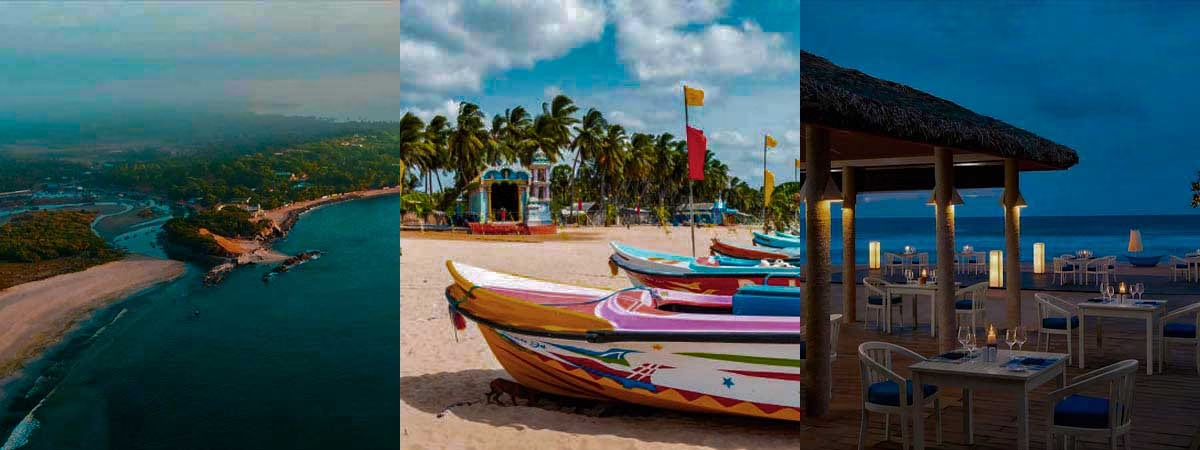
Arugam Bay, one of Asia’s most relaxed surf destinations, represents a different cultural rhythm. Originally a fishing village, it gradually became known among surfers for its consistent waves and open beaches. Despite this reputation, the village has retained its simplicity and authenticity. Wooden boats line the shore, fishermen repair nets beneath palm trees, and cafés open slowly with the morning sun.
Including Arugam Bay in the journey introduces travelers to Sri Lanka’s modern coastal culture — one shaped by nature, community, and quiet independence rather than large-scale tourism.
Day Description
The drive south follows a changing coastline where lagoons appear between forests and sandy beaches. Occasional roadside markets and fishing boats signal small coastal settlements along the way.
Arriving in Arugam Bay, the atmosphere feels noticeably slower. The wide beach stretches into the distance, framed by palm trees and open sky. The afternoon is intentionally free, allowing travelers to adjust to the rhythm of the ocean.
As evening arrives, the beach becomes a gathering place for both locals and visitors. The sunset over the bay marks the beginning of a quieter phase of the journey.
Highlights
Activities
Hotel Options
Destination Significance
Surfing culture in Arugam Bay reflects Sri Lanka’s connection to the ocean in a modern context. While fishing remains the primary livelihood for many locals, surfing has introduced a new layer of cultural exchange. Visitors and residents share the same shoreline, creating a relaxed environment where tradition and tourism coexist naturally.
The waves here are seasonal and shaped by monsoon winds, reinforcing the idea that life along the east coast still follows nature’s cycles. The village itself remains small and walkable, preserving a sense of simplicity rarely found in global surf destinations.
This day emphasizes presence — allowing travelers to experience coastal life rather than simply observe it.
Day Description
Morning begins with soft light across the water and the distant sound of waves breaking along the reef. Surfers gather gradually along the beach, while fishermen return with the morning’s catch.
Whether learning to surf or simply watching the ocean, the day unfolds naturally. Time moves slowly here, guided by the tide and sunlight rather than schedules.
By evening, the shoreline becomes calm again, with cafés lighting small lanterns and the ocean reflecting the fading sky.
Highlights
Activities
Hotel Options
Destination Significance
The lagoons surrounding Arugam Bay form part of a fragile coastal ecosystem supporting mangroves, birdlife, and fishing communities. These calm waterways contrast with the energy of the open ocean, demonstrating the ecological diversity of Sri Lanka’s east coast.
For centuries, lagoons have provided food, transport, and protection for nearby villages. Even today, traditional fishing methods remain common, and many families depend on these waters for their livelihoods.
Including a lagoon experience highlights the connection between nature and community that defines coastal Sri Lanka.
Day Description
A slow boat ride through mangrove-lined channels reveals a quiet world of still water and bird calls. The environment feels protected and timeless, with fishermen moving silently through the lagoon.
Returning to the coast, the afternoon remains free for rest or reflection. The contrast between lagoon stillness and ocean movement gives the day a balanced, peaceful rhythm.
Evening once again belongs to the shoreline.
Highlights
Activities
Hotel Options
Destination Significance
The return journey across Sri Lanka’s interior reveals the island’s remarkable geographic diversity. Within a few hours, landscapes shift from coastal plains to forest reserves and rural farmland.
This transition reminds travelers how closely Sri Lanka’s ecosystems exist side by side. Moving back toward the western coastline also brings the journey full circle — from inland heritage to ocean exploration and back again.
The final evening near the airport allows for reflection and rest before departure.
Day Description
The drive westward passes through quiet villages, forests, and agricultural land. The journey feels reflective, with fewer stops and more time to absorb the changing scenery.
Arriving near the coast once again, the environment feels familiar yet different after days spent on the eastern shoreline.
The evening is calm and unhurried.
Highlights
Activities
Hotel Options
Destination Significance
Ending near the coast provides a gentle conclusion to the journey. Sri Lanka’s coastline has framed both the beginning and end of the experience, reinforcing the island’s identity as a place shaped by water, trade, and cultural exchange.
Departure becomes part of the journey’s natural rhythm rather than a sudden ending.
Day Description
Morning remains slow and relaxed, with time for breakfast and final moments of tropical air before the airport transfer.
The East Coast Leisure & Surf Journey concludes with the same calm pace with which it began.
Highlights
Activities
Hotel Options