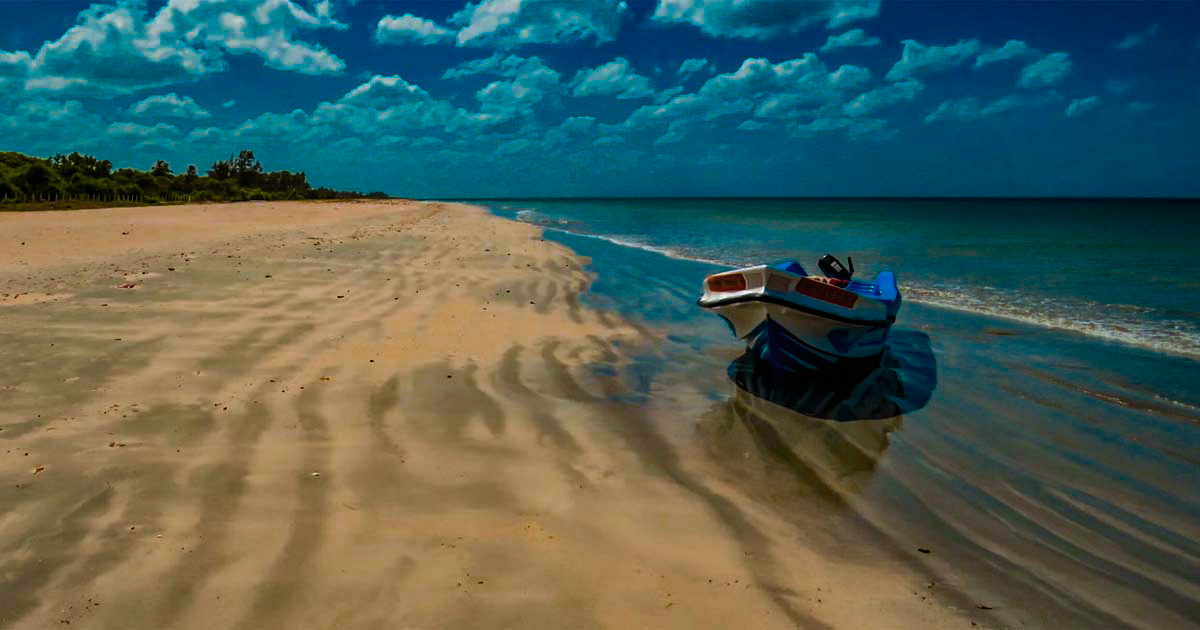
Pigeon Island – Snorkeling Paradise of Sri Lanka’s East Coast
● Introduction Just off the coast of Nilaveli, near Trincomalee, lies one of Sri Lanka’s most famous marine...

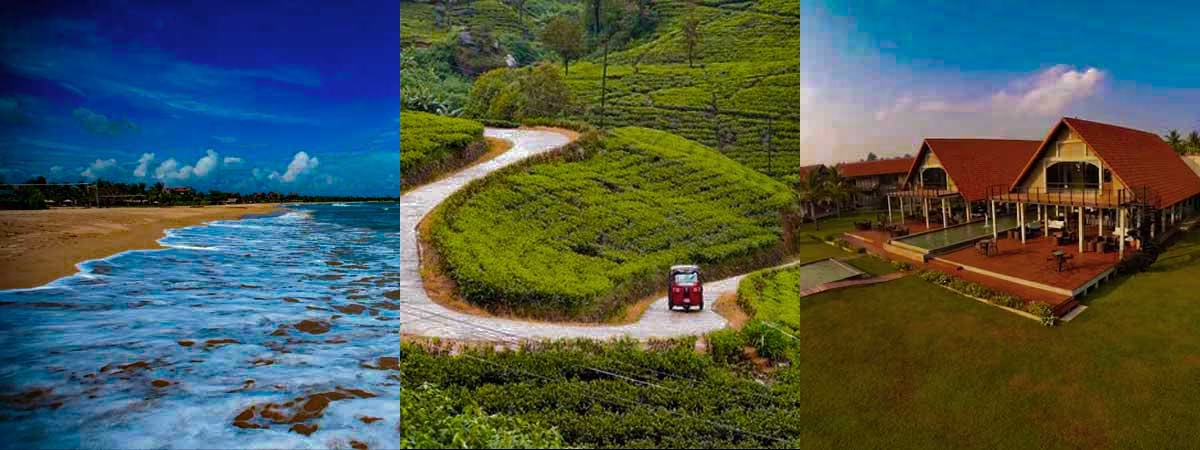
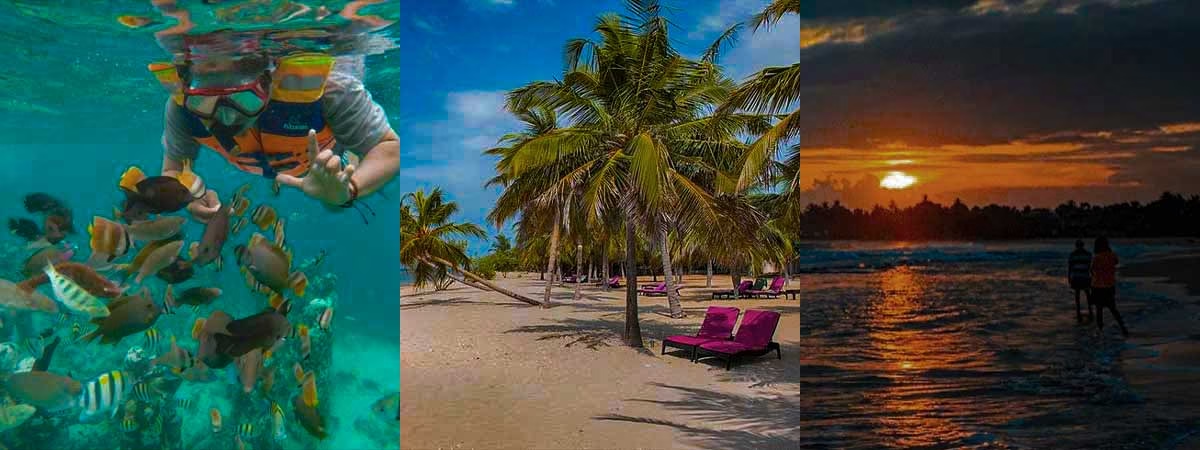
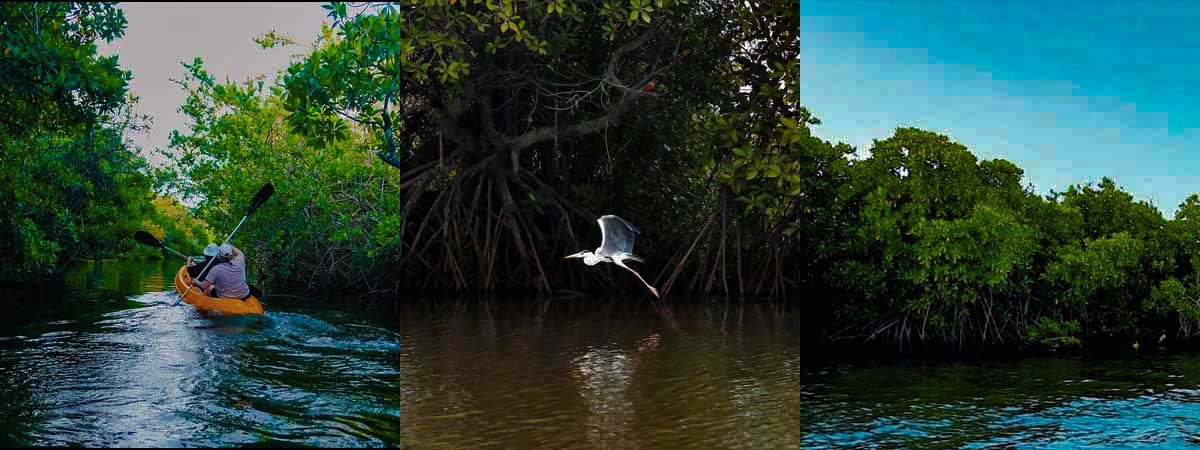
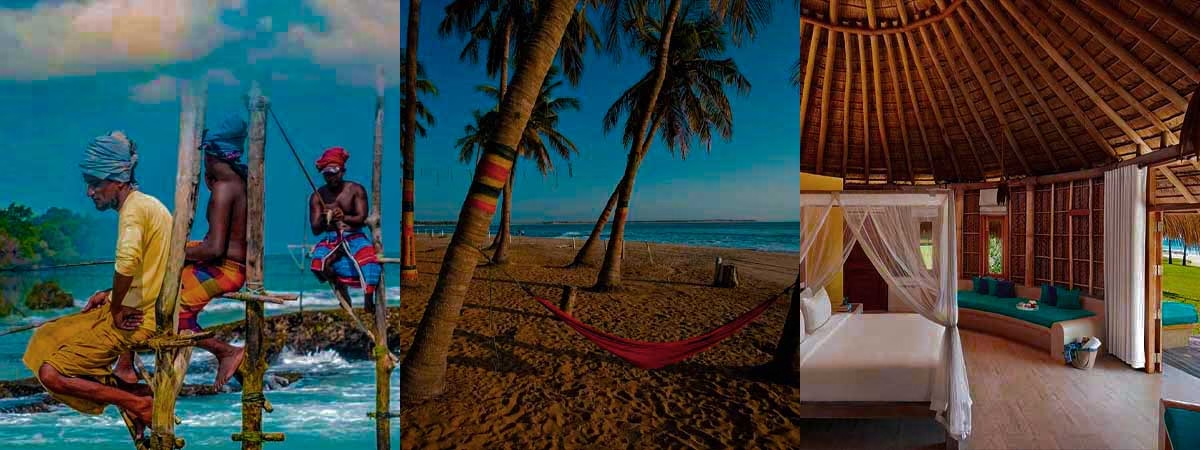

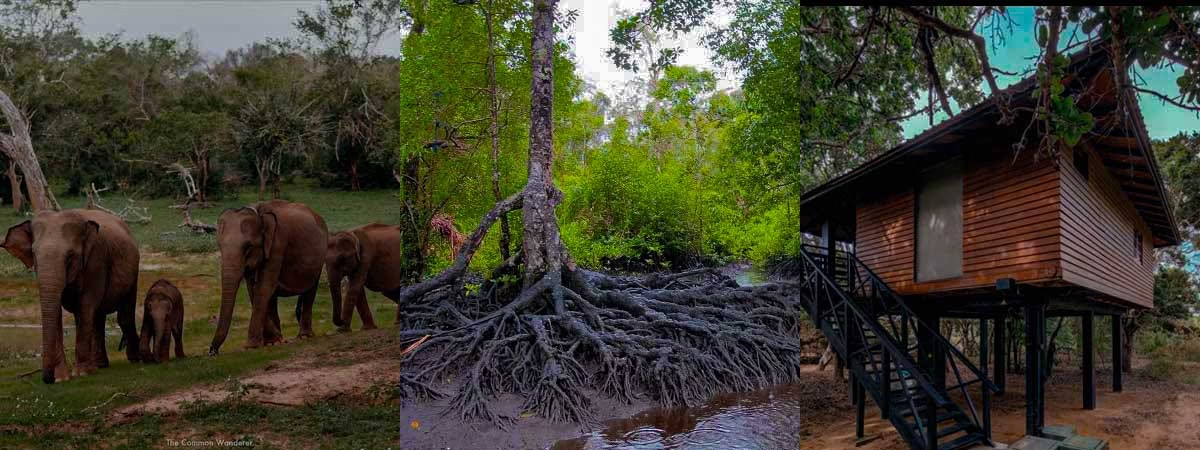
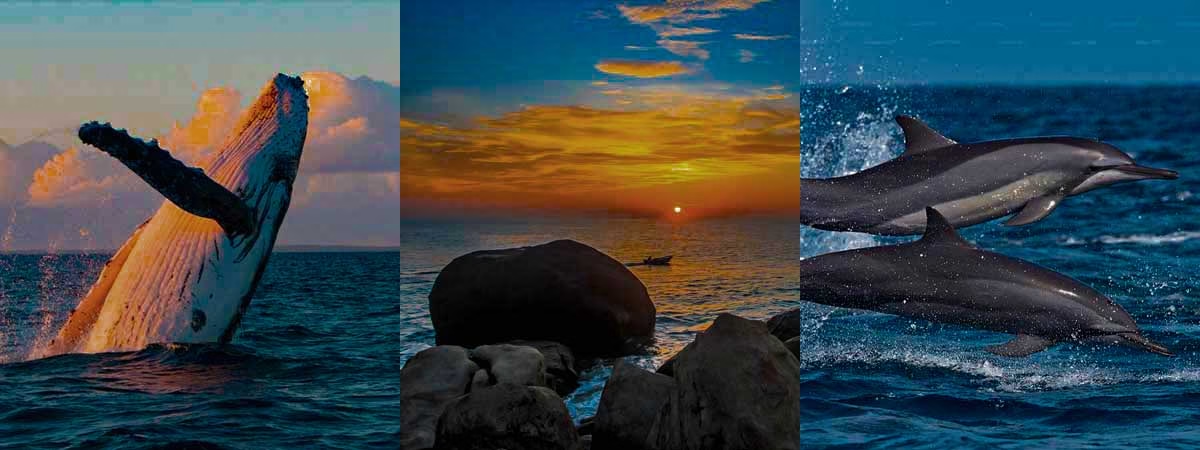
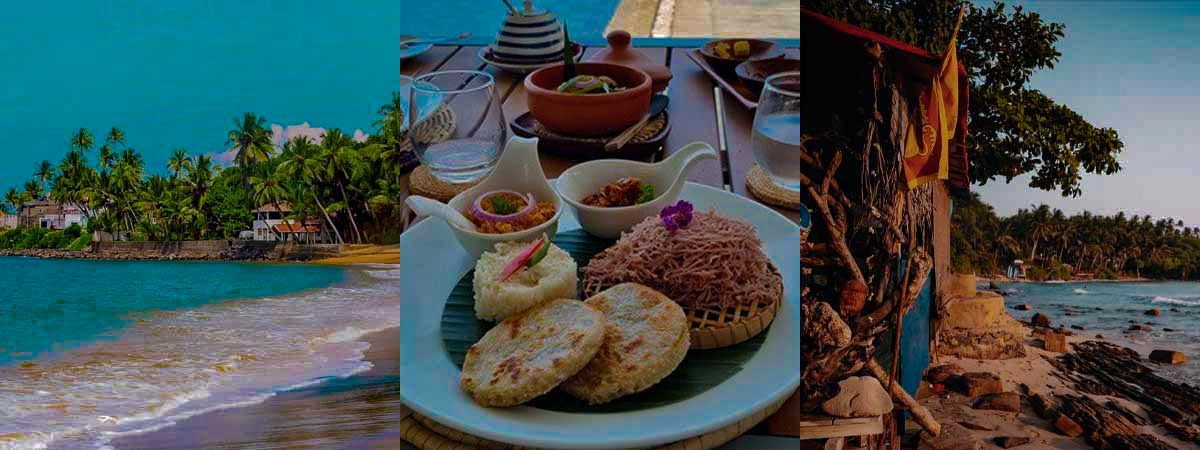
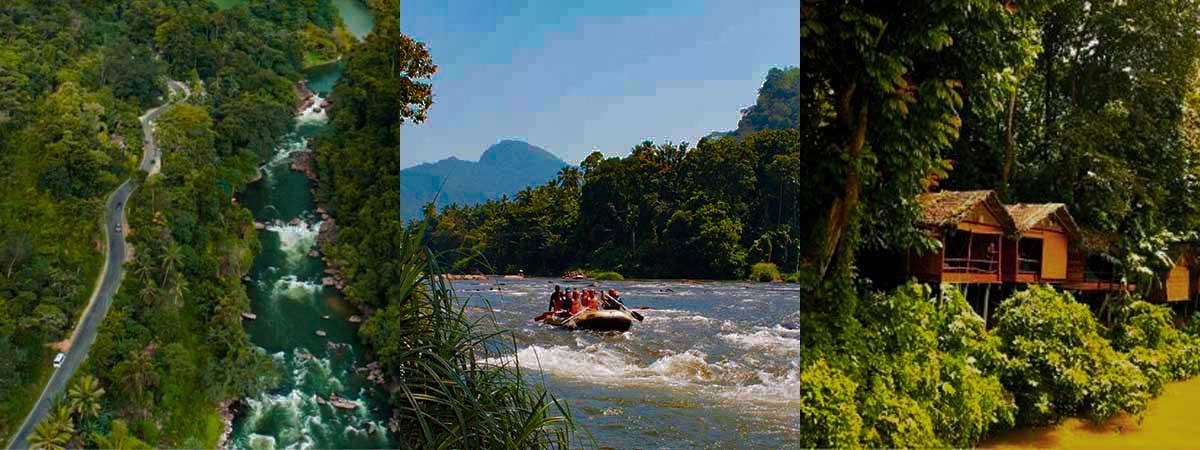
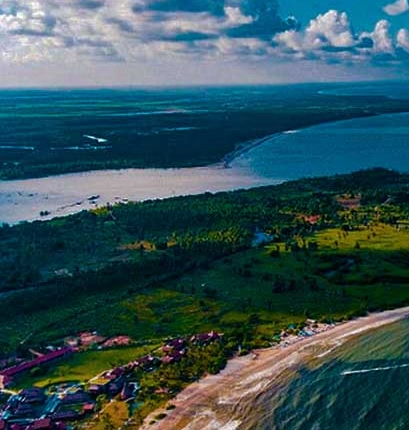
Sri Lanka’s relationship with water extends far beyond its beaches. The island is shaped by rivers flowing from the central highlands, lagoons protected by mangroves, coral reefs along warm coastlines, and fishing communities whose lives follow the rhythm of tides and seasons. This journey explores Sri Lanka through its waterways — from rainforest rivers to eastern lagoons and southern seas — revealing both natural beauty and coastal culture.
Rather than focusing only on adrenaline or activity, this itinerary balances soft adventure, marine ecosystems, and local life. Travelers move gradually across the island, experiencing how water connects landscapes, livelihoods, and traditions. Each destination introduces a different aquatic environment, creating a journey that feels varied yet cohesive.
With private travel, carefully chosen coastal and nature-based hotels, and time to rest between experiences, the Water Adventure & Sea Exploration Journey offers a calm, immersive way to understand Sri Lanka’s connection to the ocean.
Destination Significance
Kitulgala sits within Sri Lanka’s wet-zone rainforest region, where rivers descending from the central mountains create fast-flowing waterways surrounded by dense vegetation. Historically, these rivers supported village agriculture and transport routes between the highlands and the coast. Today, Kitulgala is known for its biodiversity and river ecosystems rather than large-scale tourism.
The Kelani River, which runs through the region, remains central to local life. Villagers still depend on it for fishing, bathing, and irrigation, while conservation efforts focus on protecting the surrounding rainforest. Beginning the journey here introduces travelers to Sri Lanka’s inland water systems — the source of many rivers that eventually meet the sea.
This first stop grounds the itinerary in nature before moving toward the coastline.
Day Description
The journey inland from the airport gradually shifts from coastal plains to rainforest valleys. Roads narrow as forest thickens, and the sound of flowing water becomes constant.
Arriving beside the river, the environment feels cool and shaded. The afternoon remains intentionally quiet, allowing time to settle into the natural surroundings and prepare for the days ahead.
Evening by the river introduces the calm rhythm that defines the journey.
Highlights
Activities
Hotel Options
Destination Significance
Rivers in Sri Lanka’s wet zone have long shaped settlement patterns and ecosystems. The Kelani River flows through rainforest corridors rich in birdlife and plant diversity. These waterways illustrate how Sri Lanka’s inland environment supports both biodiversity and rural livelihoods.
Adventure activities here are closely tied to natural conditions — rainfall, seasonal flow, and river health. Experiencing the river directly helps travelers understand the importance of conservation in these fragile environments.
This day connects adventure with ecological awareness, setting the tone for the rest of the journey.
Day Description
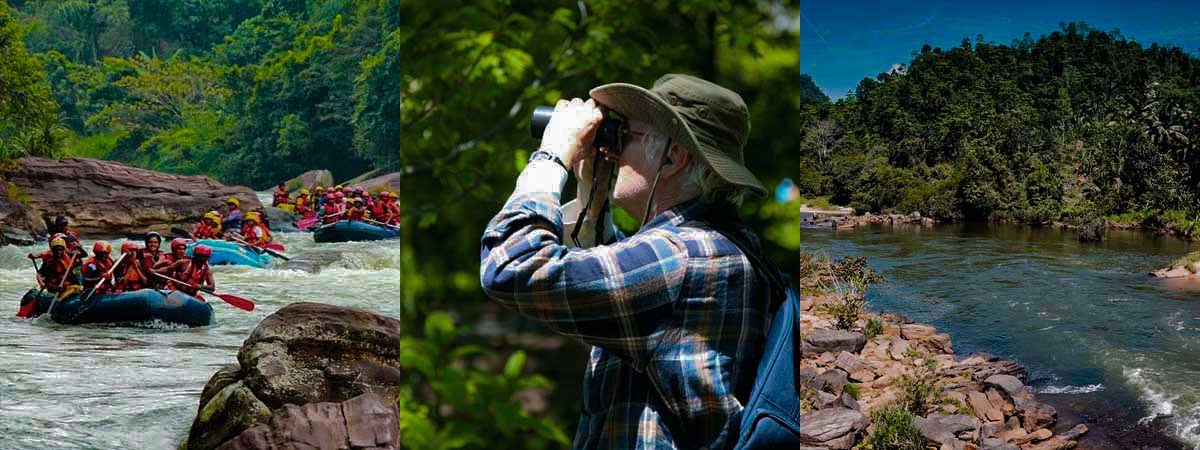
Morning begins with mist rising above the river. The rafting experience combines excitement with scenery, as the raft moves between calm sections and gentle rapids.
Between stretches of water, dense forest lines the riverbanks. Bird calls echo through the valley, and sunlight filters through the canopy.
The afternoon slows again, balancing activity with rest.
Highlights
Activities
Hotel Options
Destination Significance
Pasikudah represents a different side of Sri Lanka’s relationship with water. The bay is known for its shallow reef-protected sea, where calm conditions allow marine ecosystems to thrive. Fishing villages here depend on coral reefs and seasonal ocean patterns.
Historically, Sri Lanka’s east coast was connected to maritime trade routes across the Bay of Bengal. Today, it remains quieter than the south, preserving long stretches of coastline and traditional fishing communities.
Moving from rainforest rivers to the eastern sea highlights the island’s geographic diversity.
Day Description
The journey east crosses forest reserves and dry-zone farmland. The climate gradually becomes warmer and drier as the coastline approaches.
Pasikudah’s wide bay appears calm and expansive. The shallow water stretches far from the shore, creating one of Sri Lanka’s most peaceful coastal environments.
The afternoon is relaxed, allowing travelers to experience the stillness of the eastern sea.
Highlights
Activities
Hotel Options
Destination Significance
Coral reefs along Sri Lanka’s east coast support fish populations and protect shorelines from erosion. Local fishermen have relied on these ecosystems for generations. Today, marine conservation efforts aim to preserve reef health while allowing sustainable tourism.
Snorkeling here offers insight into the underwater environment that sustains coastal communities.
Day Description
The morning sea is calm and clear. Snorkeling reveals coral formations and colorful fish moving through shallow water.
Returning to shore, the afternoon remains open and unhurried. The rhythm of waves replaces the river sounds of earlier days.
The setting emphasizes relaxation and awareness of the ocean environment.
Highlights
Activities
Hotel Options
Destination Significance
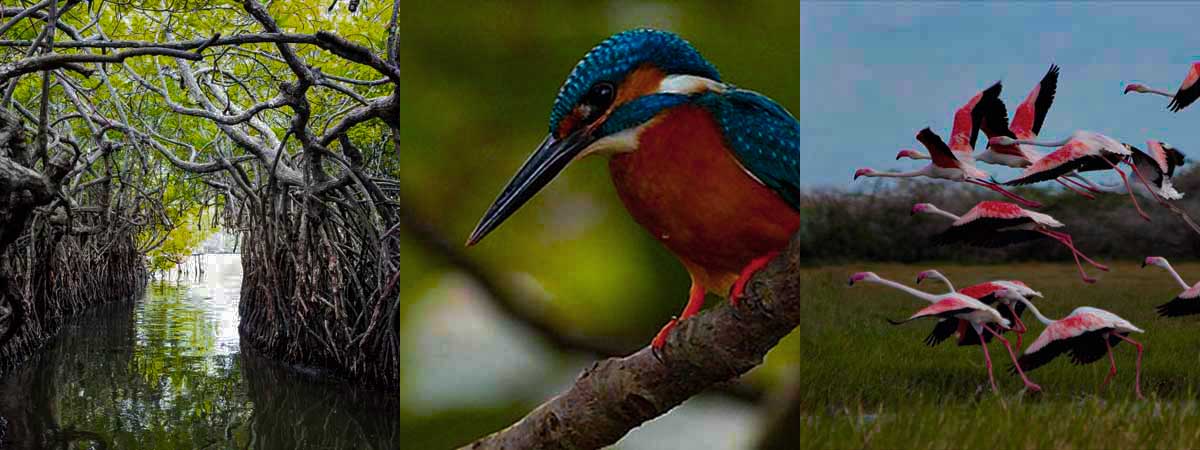
Sri Lanka’s lagoons form vital ecosystems where freshwater meets the sea. Mangroves protect shorelines and provide breeding grounds for fish and birds. Local communities depend on lagoons for small-scale fishing and transport.
Exploring a lagoon reveals the quieter side of coastal life.
Day Description
Kayaking through still water contrasts with the open ocean. Mangrove roots rise from the water, and birds move between branches.
The silence of the lagoon creates a reflective moment in the journey.
Returning to the hotel, the afternoon remains restful.
Highlights
Activities
Hotel Options
Destination Significance
The southeastern coastline between Pasikudah and Arugam Bay reveals a quieter side of Sri Lanka’s coastal geography. This region is shaped by lagoons, sand dunes, fishing communities, and seasonal ocean currents. Unlike the more developed western coastline, these shores remain closely connected to traditional livelihoods and ecological cycles.
Arugam Bay itself began as a small fishing settlement where families depended on the sea and nearby lagoons for survival. Over time, consistent waves attracted surfers from around the world, transforming the village into one of Asia’s most relaxed surf destinations. Despite this evolution, Arugam Bay has preserved its identity as a coastal community rather than a resort town.
Including Arugam Bay in this journey introduces travelers to Sri Lanka’s contemporary coastal culture, where global surf travel intersects with local fishing traditions. It also highlights how different coastal ecosystems — reefs, lagoons, and open ocean — coexist along the island’s eastern shoreline.
Day Description
Leaving Pasikudah behind, the road follows a coastline punctuated by lagoons and small villages where fishing boats rest beneath palm trees. The landscape gradually becomes more open, with sandy soil and coastal vegetation replacing farmland.
Arriving in Arugam Bay, the atmosphere immediately feels relaxed and unhurried. The beach stretches widely along the horizon, with waves rolling steadily toward shore. Small cafés and wooden guesthouses line the sand, maintaining a simple and welcoming environment.
The afternoon is intentionally free, allowing travelers to settle into the coastal rhythm. As evening approaches, the beach becomes quieter, and the sunset over the Indian Ocean marks the beginning of a slower phase of the journey.
Highlights
Activities
Hotel Options
Destination Significance
Arugam Bay’s surf culture reflects Sri Lanka’s evolving relationship with the ocean. While fishing remains central to local life, surfing has introduced new opportunities for cultural exchange and sustainable tourism. The village demonstrates how small coastal communities adapt while preserving their traditions.
The waves here are shaped by seasonal monsoon winds, reminding visitors that the ocean continues to dictate life along the coast. Fishermen launch boats at dawn, while surfers gather at sunrise, sharing the same shoreline with different purposes.
This day highlights the shared connection between people and the sea, emphasizing presence rather than movement.
Day Description
Morning begins with soft light across the water and the steady rhythm of waves. Surfers paddle into the ocean while fishermen prepare nets along the shore.
Whether learning to surf or simply watching the movement of the sea, the experience feels calm and grounded. The village moves slowly, guided by the tide and sunlight rather than schedules.
The afternoon remains free to enjoy the beach, read, swim, or explore the village. Evening once again belongs to the ocean and the sound of waves.
Highlights
Activities
Hotel Options
Destination Significance
Traveling from the east coast toward the southern plains reveals the ecological diversity of Sri Lanka’s coastal belt. The road passes through forest reserves, lagoons, and agricultural land before reaching the dry-zone ecosystems surrounding Yala.
These landscapes support both wildlife and rural communities. Water remains the connecting element — from coastal lagoons to inland rivers and seasonal wetlands. This transition demonstrates how Sri Lanka’s environments change within short distances.
The southern region introduces a new relationship between land, water, and wildlife.
Day Description
The drive south moves through quiet countryside where forest patches and open plains alternate. Occasional villages appear beside irrigation tanks that shimmer in the heat.
Arriving near the Yala region, the environment feels warmer and drier. The landscape opens into grassland and scrub forest, offering a dramatic contrast to the coastal scenes of previous days.
The evening remains relaxed, preparing for the next day’s wildlife experience.
Highlights
Activities
Hotel Options
Destination Significance
Sri Lanka’s southern coast has long been connected to the sea through fishing, trade, and maritime travel. Today, marine ecosystems here support whales, dolphins, coral reefs, and coastal biodiversity.
Whale watching along the southern waters provides insight into migration patterns across the Indian Ocean. These marine routes have existed for centuries, unseen but vital to ocean ecology.
This day connects travelers with the larger ocean environment beyond the shoreline, completing the journey’s exploration of Sri Lanka’s waterways.
Day Description
Early morning begins at sea, where the horizon stretches endlessly. The boat moves across deep blue water in search of whales and dolphins.
The experience is quiet and observational, emphasizing respect for marine life. Watching these animals in open ocean reinforces the scale and mystery of Sri Lanka’s surrounding waters.
Returning to shore, the afternoon remains calm and reflective.
Highlights
Activities
Hotel Options
Destination Significance
Ending the journey near the coast reinforces Sri Lanka’s identity as an island shaped by water. From rainforest rivers to eastern reefs and southern seas, the journey has followed the island’s waterways from source to ocean.
This final morning provides time to reflect on how water connects landscapes, ecosystems, and communities across Sri Lanka.
Day Description
The morning is relaxed and unhurried, allowing time to enjoy the final moments of the tropical coastline before departure.
The Water Adventure & Sea Exploration Journey concludes naturally, with the ocean once again framing the experience.
Highlights
Activities
Hotel Options