Folk Music and Dance – Experience the Heartbeat of Sri Lanka’s Cultural Soul
● Introduction Sri Lanka’s folk music and dance traditions offer one of the most vibrant windows into the...

Introduction
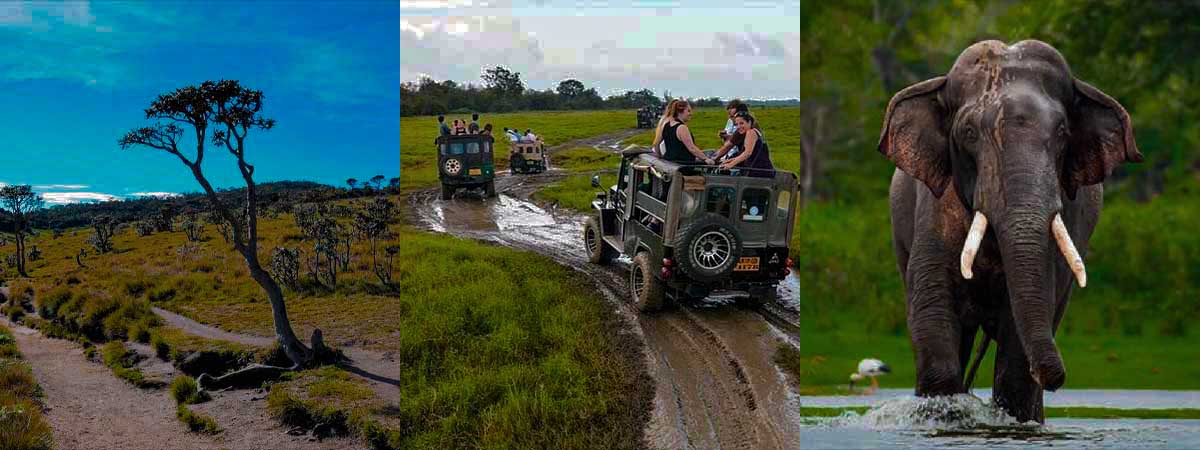
Sri Lanka’s wildlife experiences are remarkable not only because of the animals themselves, but because of the diversity of landscapes that support them. Within a relatively small island, travelers can move from dense forest ecosystems and ancient reservoir plains to coastal wetlands and open grasslands where elephants roam freely.
This journey is designed as a gradual exploration of those ecosystems, allowing time to understand how wildlife, water, forest, and people coexist across the island. Rather than rushing between parks, the itinerary balances safari experiences with rest, scenic travel, and comfortable lodges located close to nature.
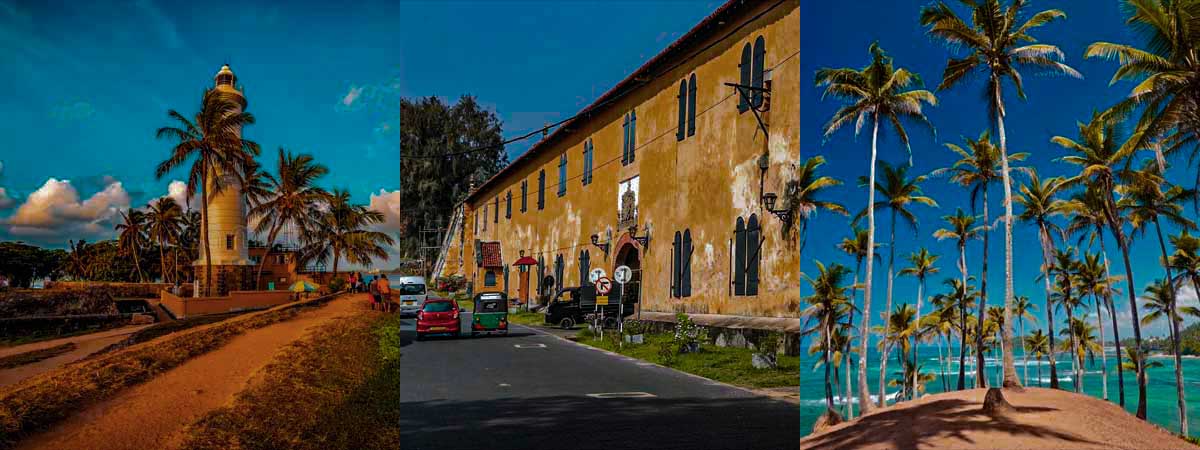
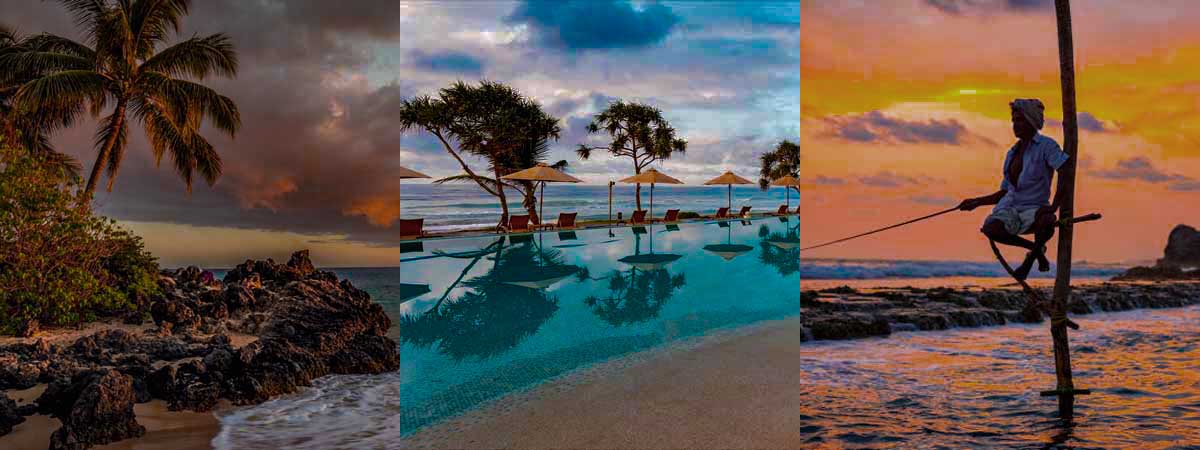
Beginning in the quiet forests of Wilpattu, continuing through the elephant corridors of the Cultural Triangle, and moving south into the leopard landscapes of Yala and the wetlands of Bundala, the journey reveals Sri Lanka’s natural world in layers. The experience concludes along the southern coast, where ocean horizons provide a calm contrast to the wilderness explored throughout the trip.
Guided by experienced naturalists and designed with conservation awareness, this journey offers an authentic encounter with Sri Lanka’s wildlife environments — immersive, respectful, and deeply memorable.
Day Description
Distance: ~140 km | 3.5–4 hrs
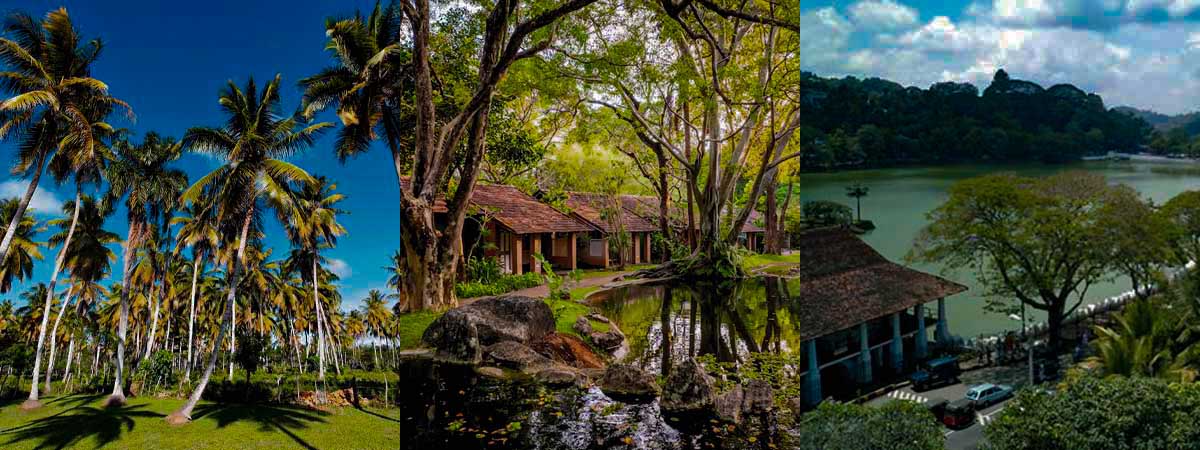
After arriving in Sri Lanka, travel north along the island’s western plains toward Wilpattu. The drive passes coconut plantations, lagoons, and quiet fishing villages before gradually entering forested landscapes. The transition from coastal activity to wilderness calm happens almost without notice, setting the tone for the journey ahead.
Arrival at the lodge is followed by time to rest and enjoy the peaceful forest surroundings. The stillness of the environment — broken only by birds and rustling leaves — provides a gentle introduction to Sri Lanka’s natural world.
Destination Context — Wilpattu National Park
Wilpattu, meaning “Land of Lakes,” is Sri Lanka’s largest national park. Its defining feature is a series of natural lakes known as villus, which attract wildlife throughout the year. Compared to other parks, Wilpattu feels quieter and more remote, offering a safari experience centered on patience and observation.
Activities
Highlights
Hotel Options
Day Description
Begin the day early with a safari through Wilpattu’s forest tracks. Morning light filters through trees, reflecting across the still waters of the villus. Deer move cautiously along the edges, birds call from the canopy, and the forest feels alive but unhurried.
Wildlife sightings depend on nature’s rhythm — leopards, sloth bears, and elephants inhabit the park — but the experience itself is shaped by the landscape as much as the animals.
The afternoon is free to relax at the lodge, allowing time to enjoy the calm surroundings.
Activities
Highlights
Hotel Options
Day Description
Distance: ~110 km | 3 hrs
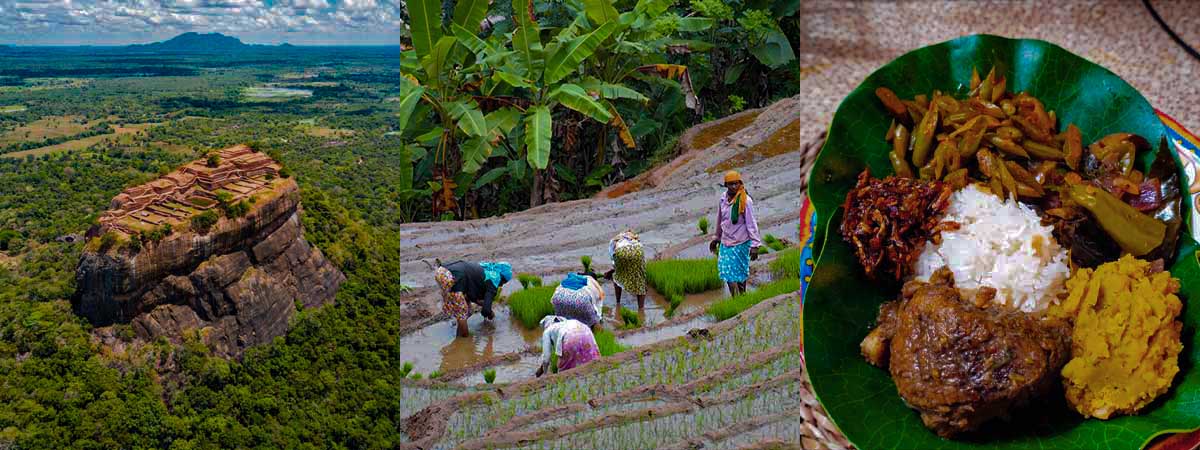
Travel east toward the Cultural Triangle, where ancient reservoirs shimmer beside forest and farmland. The landscape reveals how early Sri Lankan civilizations built irrigation systems that continue to support wildlife and agriculture today.
The afternoon remains relaxed, allowing travelers to absorb the environment.
Destination Context — Cultural Triangle Ecosystem
The Cultural Triangle is not only an archaeological region but also a living ecological system where forest, water, and agriculture intersect. Elephants often move between protected areas and surrounding landscapes.
Activities
Highlights
Hotel Options
Day Description
In the afternoon, head into Minneriya or Kaudulla National Park. The terrain opens into grasslands surrounding a vast reservoir, where elephants often gather to feed, bathe, and socialize.
Watching herds move slowly across the plains creates one of Sri Lanka’s most memorable wildlife moments.
Activities
Highlights
Hotel Options
Day Description
Distance: ~150 km | 4–5 hrs
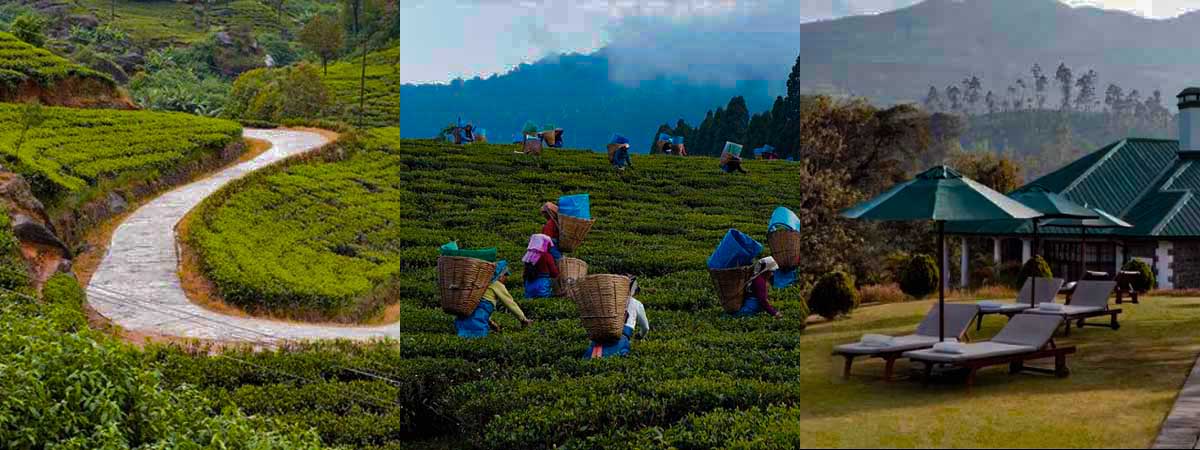
Travel into the central highlands, where the air becomes cooler and the scenery transforms into rolling tea estates and mist-covered hills. The journey reveals Sri Lanka’s geographic diversity in a single day.
Visit a tea plantation to understand the history and process behind Ceylon Tea.
Destination Context — Hill Country Ecosystem
The central highlands support cloud forests, mountain streams, and tea-covered slopes. The region feels calmer and slower than the lowlands.
Activities
Highlights
Hotel Options
Day Description
Distance: ~160 km | 4–5 hrs
Descending from the mountains into the southern plains reveals another dramatic change in environment. Forest gives way to grasslands and open terrain as you approach Udawalawe.
An afternoon safari introduces this elephant-rich ecosystem.
Destination Context — Udawalawe National Park
Udawalawe is known for reliable elephant sightings and wide-open visibility, making wildlife observation easier and more relaxed.
Activities
Highlights
Hotel Options
Day Description
Distance: ~90 km | 2.5 hrs
Travel toward Yala through forest patches and rural landscapes. Arrival at the safari lodge allows time to rest and prepare for the next day’s exploration.
Destination Context — Yala Wilderness
Yala’s varied landscapes support one of the highest leopard densities in the world.
Activities
Highlights
Hotel Options
Day Description
Enter Yala at sunrise, when the park is alive with movement. Lagoons reflect the morning sky, deer graze in clearings, and leopards may be seen resting in trees or moving through the forest.
The afternoon is free to enjoy the lodge and surrounding environment.
Activities
Highlights
Hotel Options
Day Description
Distance: ~120 km | 3–4 hrs
Visit Bundala’s wetlands, where migratory birds gather across shallow lagoons. The open skies and reflective water create a peaceful contrast to forest safaris.
Continue toward the southern coast for the final evening.
Destination Context — Bundala Biosphere Reserve
Bundala is internationally recognized for its wetland biodiversity and migratory bird populations.
Activities
Highlights
Hotel Options
Day Description
Distance: ~150 km | 2.5–3 hrs
After breakfast, transfer to the airport along the Southern Expressway, completing a journey across Sri Lanka’s major wildlife ecosystems.
Activities
Highlights