

● Introduction
Sri Lankan cooking classes offer one of the most immersive and authentic cultural experiences for foreign travelers visiting the island. Beyond tasting the food, visitors get the chance to understand the stories, traditions, and ingredients that shape Sri Lanka’s rich culinary identity. For travelers who want to go beyond sightseeing and connect deeply with local life, a hands-on cooking experience becomes a meaningful highlight of their journey.● A Gateway Into Sri Lankan Culture
Food is at the heart of everyday life in Sri Lanka. A cooking class gives travelers a front-row seat to how Sri Lankan families prepare their meals—often using fresh spices, coconut-based ingredients, and garden-picked vegetables. Many classes are hosted by local home cooks, culinary experts, or village families who open their homes to visitors, allowing an intimate look at traditional island hospitality. Guests can explore how Sri Lankan cuisine blends influences from ancient kingdoms, trade routes, colonial history, and regional traditions. From fragrant rice-and-curry spreads to coastal seafood dishes and spicy sambols, every recipe reveals a part of the island’s heritage.● Market Visits and Fresh Ingredients
Most cooking classes begin with a guided tour of a local market. Travelers get to smell, touch, and taste the fresh ingredients used in Sri Lankan kitchens—banana flowers, jackfruit, gotu kola, pandan leaves, cinnamon, cloves, curry leaves, and more. Meeting local vendors and learning how to select the right spices adds another layer of authenticity to the experience. These markets are lively, colorful, and full of character, giving travelers the opportunity to take photos, ask questions, and observe daily life in real time.● Hands-On Cooking With Local Experts
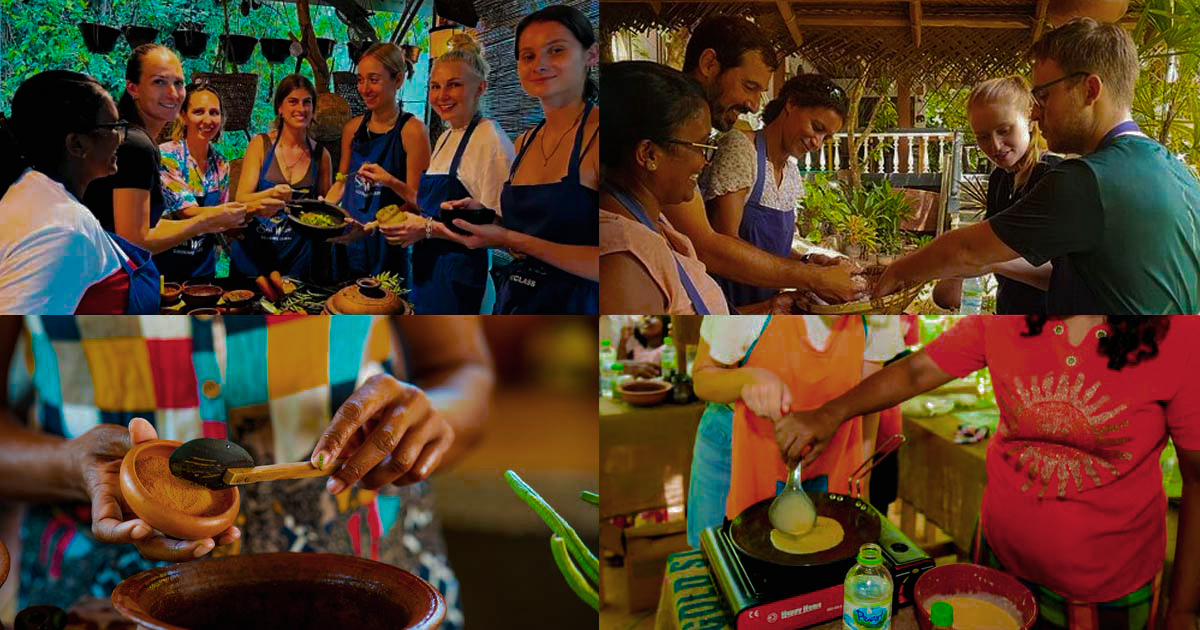
During the class, travelers prepare a complete Sri Lankan meal from scratch. Instructors guide guests step by step, demonstrating traditional culinary techniques:- ● Grinding spices using a miris gala (stone grinder)
- ● Extracting fresh coconut milk by hand
- ● Preparing classic curries such as dhal, chicken, or jackfruit
- ● Balancing flavors with fried chilies, lime, herbs, and roasted spices
- ● Cooking rice, string hoppers, or roti
● Learning the Story Behind Every Dish
A meaningful part of the experience lies in the stories and cultural insights shared throughout the class. Travelers learn:- ● Why Sri Lankan food is naturally gluten-free and often plant-based
- ● How regional dishes differ between the north, south, and hill country
- ● The cultural symbolism of foods served during festivals or ceremonies
- ● The Ayurvedic principles behind combining certain spices
● Enjoying a Home-Cooked Sri Lankan Meal
Once all the dishes are prepared, travelers sit down with their hosts to enjoy the meal they created together. This shared dining experience often becomes one of the most cherished memories of their trip—warm conversations, friendly hospitality, and an unforgettable taste of homemade Sri Lankan flavors.● Why It’s Popular Among Foreign Travelers
- ● It offers an authentic, non-touristy cultural experience
- ● Guests take home practical skills and recipes
- ● Perfect for couples, families, and solo travelers
- ● Great for photography and storytelling
- ● Helps travelers appreciate Sri Lankan traditions more deeply