Ella Rock Caves – A Hidden Blend of Nature, Mystery, and Ancient Hill-Country Heritage
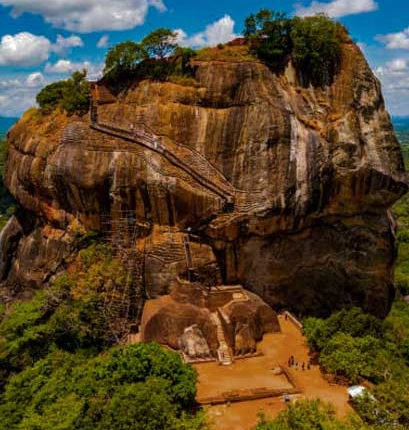
● Introduction The Ella Rock Caves, located near the famous Ella Rock summit in Sri Lanka’s hill country,...

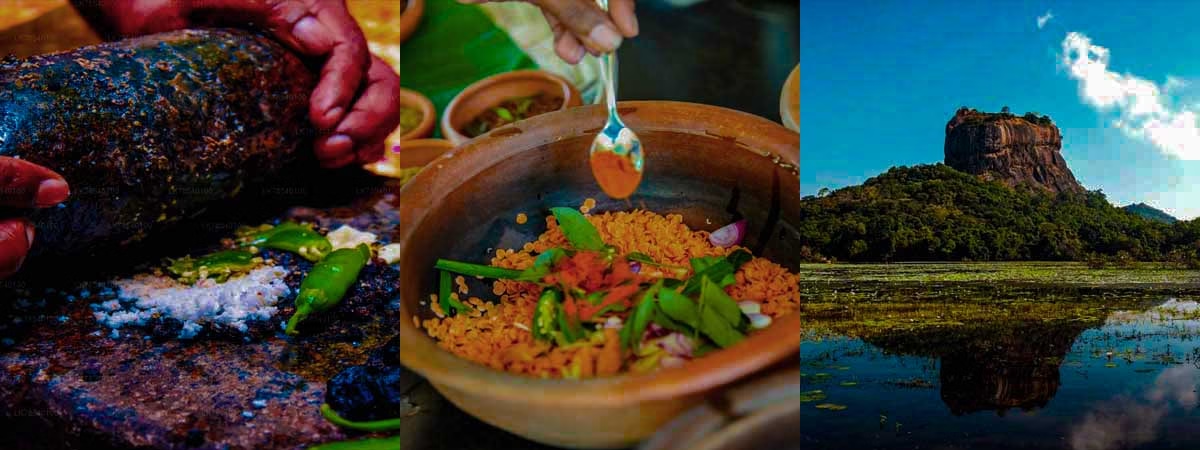
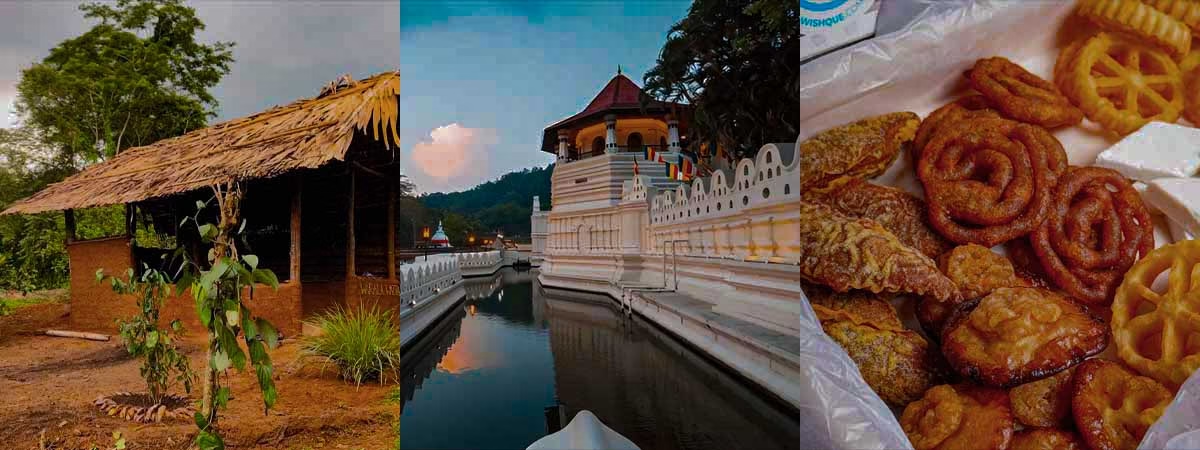
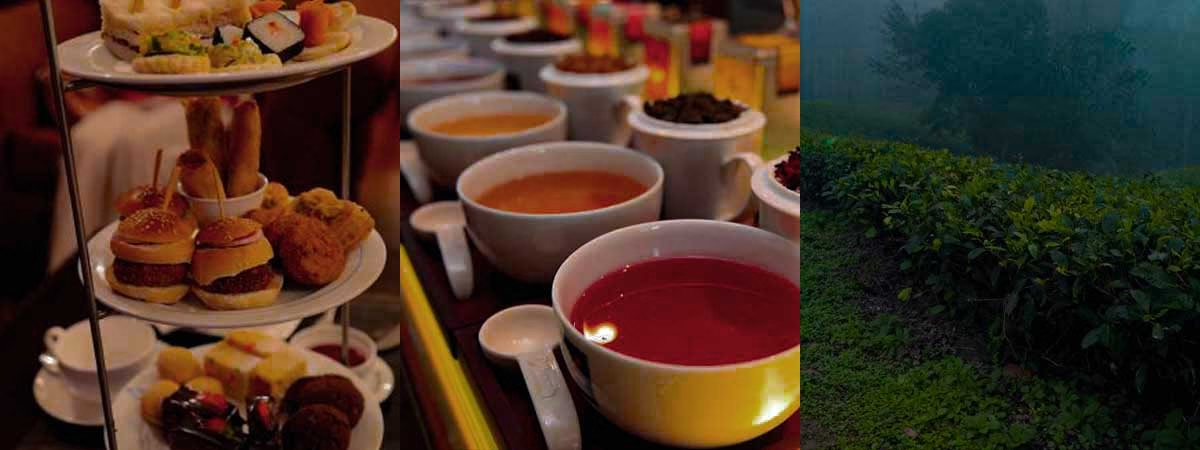
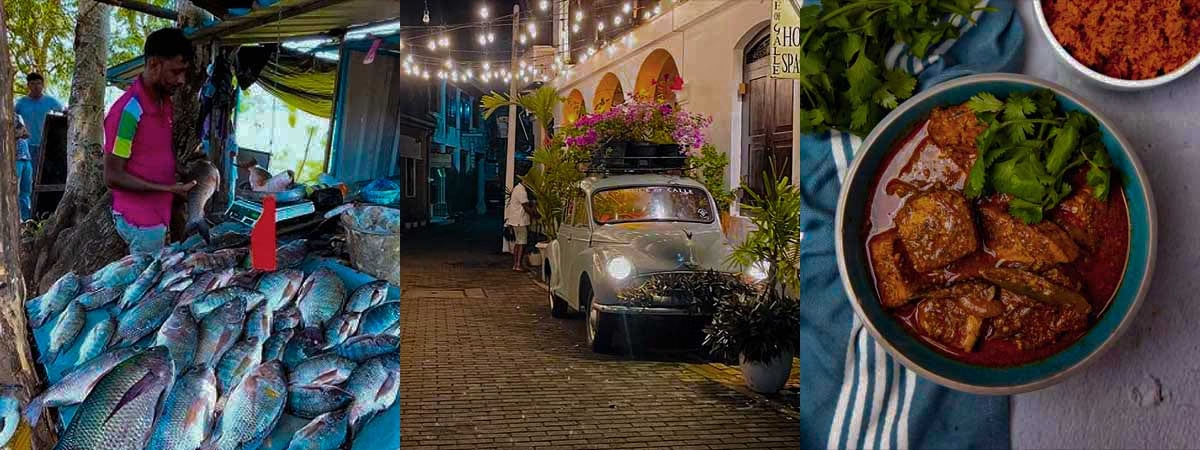
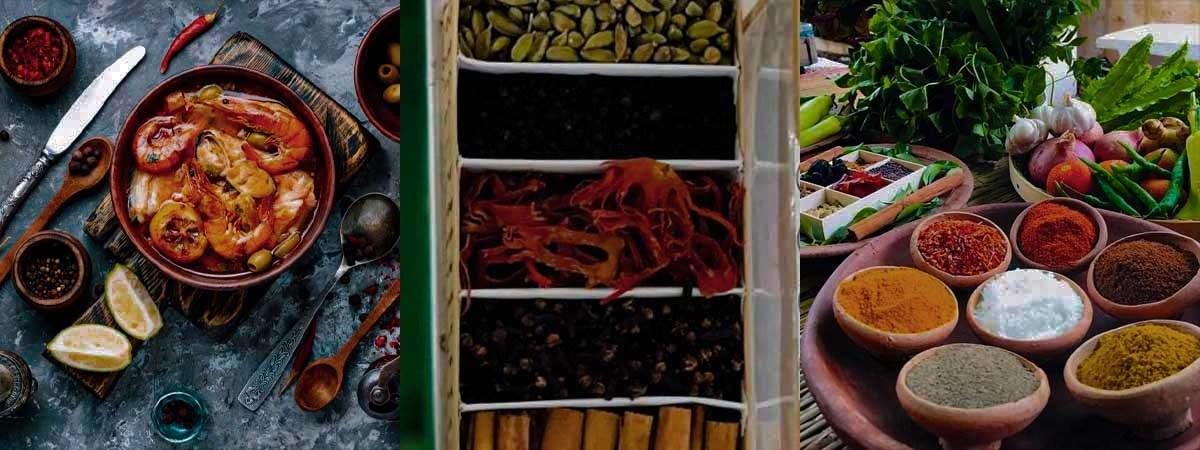
Sri Lanka’s culinary heritage is deeply connected to its landscapes, climate, agriculture, and community life. Food here is not simply prepared — it is grown, shared, and passed down through generations. From village kitchens and spice gardens to coastal fishing communities and hill-country farms, cooking reflects the island’s identity in its most authentic form.
This journey explores Sri Lanka through its flavors and people. Travelers move across regions where ingredients change with altitude, climate, and tradition. Cooking becomes a cultural exchange rather than a lesson — guided by farmers, home cooks, and local hosts whose recipes carry memory and meaning.
Designed for travelers who want to understand Sri Lanka beyond restaurants and hotels, this itinerary blends culinary discovery with cultural immersion, nature, and wellness-inspired slow travel. Every meal becomes part of the story of the island.
Day Description
Arrival in Colombo introduces travelers to Sri Lanka’s culinary diversity through a city shaped by centuries of trade and migration. The coastal air, colonial architecture, and vibrant streets set the tone for a journey where food and culture intertwine naturally. The first evening remains unhurried, allowing travelers to settle into the island’s rhythm.
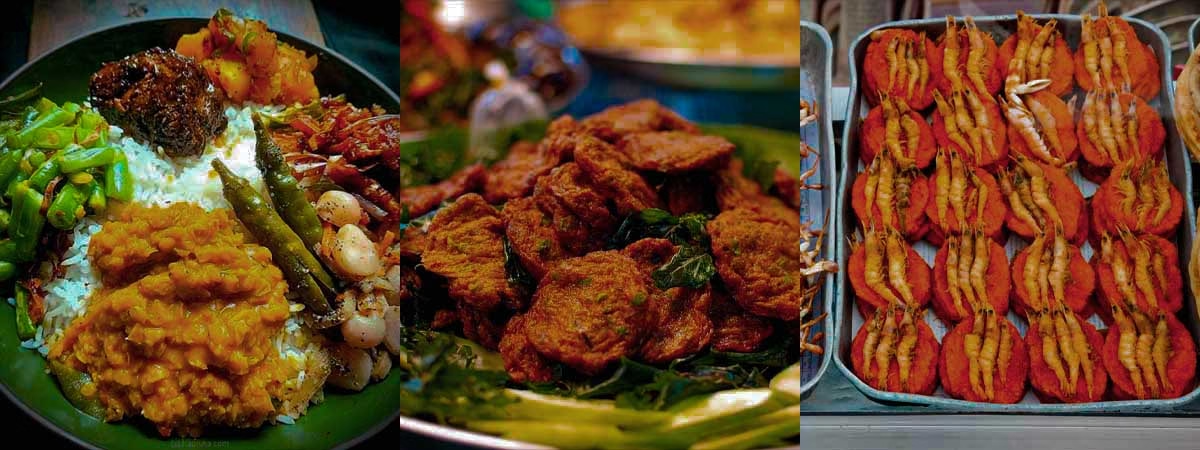
Dinner becomes a gentle introduction to Sri Lankan cuisine — rice and curry served with coconut sambol, tropical vegetables, and aromatic spices. The experience is simple but meaningful, offering the first taste of the island’s balance of flavor and tradition.
The city’s blend of past and present creates a comfortable starting point, easing travelers into the culinary journey ahead.
Destination Significance — Colombo
Colombo reflects Sri Lanka’s multicultural food heritage. Influences from traders, colonial communities, and regional traditions combine to form a diverse culinary identity. Markets, bakeries, seafood kitchens, and family restaurants all contribute to this living food culture.
Beginning the journey here allows travelers to understand Sri Lanka’s cuisine as a fusion of cultures shaped by geography and history. The coastal setting also introduces key ingredients — coconut, seafood, rice, and spices — that define the island’s cooking traditions.
Colombo serves as the gateway to Sri Lanka’s culinary story.
Highlights
Activities
Hotel Options
Day Description
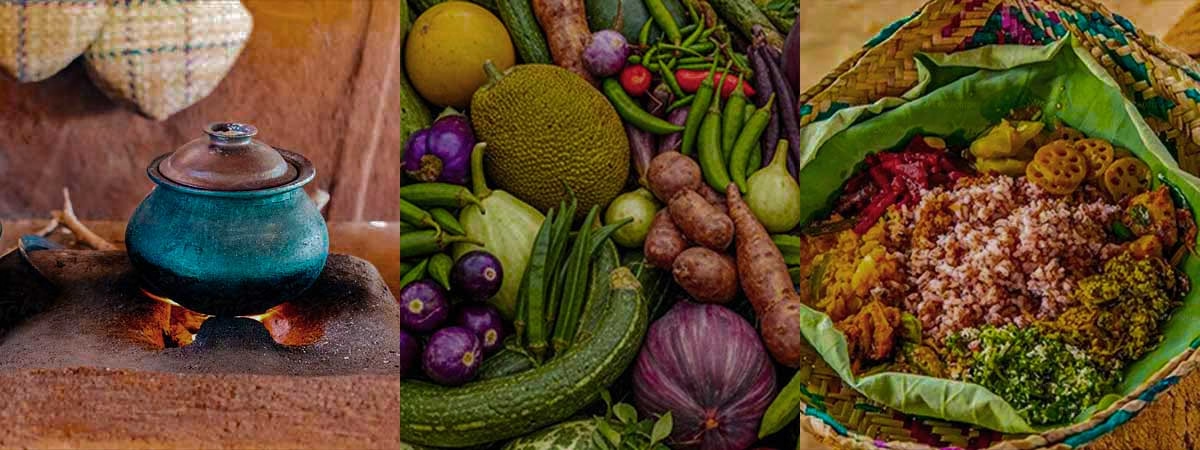
Morning begins at a bustling local market where vendors display tropical fruits, freshly harvested vegetables, and fragrant spices. Walking through the market reveals how Sri Lankan cooking begins with seasonal ingredients and daily selection rather than packaged goods. The experience is sensory — colors, aromas, and conversation.
Later, a hands-on cooking session introduces traditional techniques such as grinding spices, preparing coconut milk, and cooking in clay pots. The kitchen becomes a place of storytelling and shared learning rather than instruction.
The meal prepared together is enjoyed slowly, reinforcing the cultural importance of eating as a communal experience.
Destination Significance — Sri Lankan Markets & Home Kitchens
Markets remain central to Sri Lankan life. Families shop daily, choosing ingredients based on freshness and seasonality. Cooking traditions are preserved primarily in homes, where recipes evolve through memory rather than written instruction.
This experience connects travelers directly with the foundation of Sri Lankan cuisine — agriculture, community, and shared meals. It also reflects a mindful relationship with food that naturally aligns with wellness-focused travel.
Markets and home kitchens together form the heart of Sri Lankan culinary culture.
Highlights
Activities
Hotel Options
Day Description
The journey inland gradually shifts from coastal flavors to spice-rich cuisine shaped by Sri Lanka’s central hills. Along the route, spice gardens reveal how cinnamon, pepper, cardamom, and cloves grow naturally in the tropical climate.
Arriving in Kandy, the atmosphere becomes cooler and calmer. Evening meals reflect this change — lighter curries, fresh vegetables, and herbal flavors influenced by both Buddhist traditions and Ayurvedic practices.
The slower pace of hill-country life encourages mindful appreciation of food and environment.
Destination Significance — Kandy & Spice Culture
Kandy represents the historic center of Sri Lanka’s spice cultivation and traditional cooking. Spices have shaped the island’s global identity for centuries, influencing trade, medicine, and cuisine.
The region’s food culture reflects balance — between flavor and health, ritual and daily life. Meals here are closely connected to agriculture and spirituality.
Kandy offers travelers a deeper understanding of Sri Lanka’s culinary heritage beyond the coast.
Highlights
Activities
Hotel Options
Day Description
A village home near Kandy becomes the setting for a slow, authentic cooking experience. Preparation begins with simple tasks — washing vegetables, scraping coconut, and lighting clay stoves. The pace is calm and unhurried.
Cooking includes dhal curry, mallum, coconut sambol, and jackfruit curry, all prepared using traditional tools. Conversation flows naturally, making the kitchen feel welcoming and personal.
Sharing the meal together highlights Sri Lanka’s tradition of hospitality and community dining.
Destination Significance — Village Food Traditions
Village cooking preserves Sri Lanka’s culinary identity more than any restaurant. Recipes reflect seasonal harvests, family knowledge, and local farming traditions.
This experience reveals how Sri Lankan cuisine remains deeply connected to land, climate, and community life. It also introduces the wellness philosophy of eating fresh, natural food prepared slowly.
Village kitchens are where Sri Lanka’s culinary heritage truly lives.
Highlights
Activities
Hotel Options
Day Description
Ascending into Sri Lanka’s tea country reveals a landscape of misty mountains and vegetable farms. The cooler climate influences both ingredients and cooking methods, with meals becoming lighter and more seasonal.
A tea plantation visit introduces the connection between agriculture, labor history, and daily life in the highlands. Afternoon meals often feature fresh vegetables, breads, and herbal flavors.
The mountain environment creates a peaceful setting for mindful eating and reflection.
Destination Significance — Tea Country Food Culture
Hill-country cuisine reflects plantation communities and mountain agriculture. Vegetables, herbs, and dairy products play a larger role than coastal seafood dishes.
Tea estates shaped both the economy and culinary traditions of the region. Food here reflects adaptation to altitude, climate, and community life.
The highlands offer a quieter, wellness-oriented culinary experience.
Highlights
Activities
Hotel Options
Day Description
Descending from the mountains toward the southern coast introduces another culinary shift — from vegetables and spices to seafood and coconut-based dishes. The journey highlights how geography shapes Sri Lankan cuisine.
Arriving in Galle, colonial architecture and ocean air create a relaxed atmosphere. Dinner often includes fresh seafood curries prepared using traditional coastal recipes.
The coast brings warmth, flavor, and a slower rhythm of life.
Destination Significance — Southern Coastal Cuisine
Southern Sri Lanka’s cuisine reflects fishing traditions and maritime trade influences. Coconut milk curries, grilled seafood, and tropical fruits dominate local meals.
Galle’s historic fort connects colonial heritage with contemporary food culture, blending tradition and modern creativity.
This region shows how the ocean shapes Sri Lanka’s culinary identity.
Highlights
Activities
Hotel Options
Day Description
The final morning includes a coastal cooking session using freshly caught seafood and garden ingredients. The kitchen opens toward the sea, creating a calm and memorable final experience.
Preparing fish curry, sambols, and coconut dishes brings together flavors encountered throughout the journey. Cooking becomes a reflection of the island’s landscapes — mountains, villages, and coastlines.
The shared meal provides a meaningful conclusion before departure.
Destination Significance — Culinary Reflection
Sri Lankan cuisine connects nature, culture, and community across the island. Ending the journey with cooking reinforces how food reflects identity and place.
Travelers leave with recipes, memories, and a deeper understanding of Sri Lanka through its flavors.
The culinary journey becomes a lasting connection to the island.
Highlights
Activities
Hotel Options
Not required (departure day)