Belilena Cave – Exploring One of Sri Lanka’s Oldest Prehistoric Sites
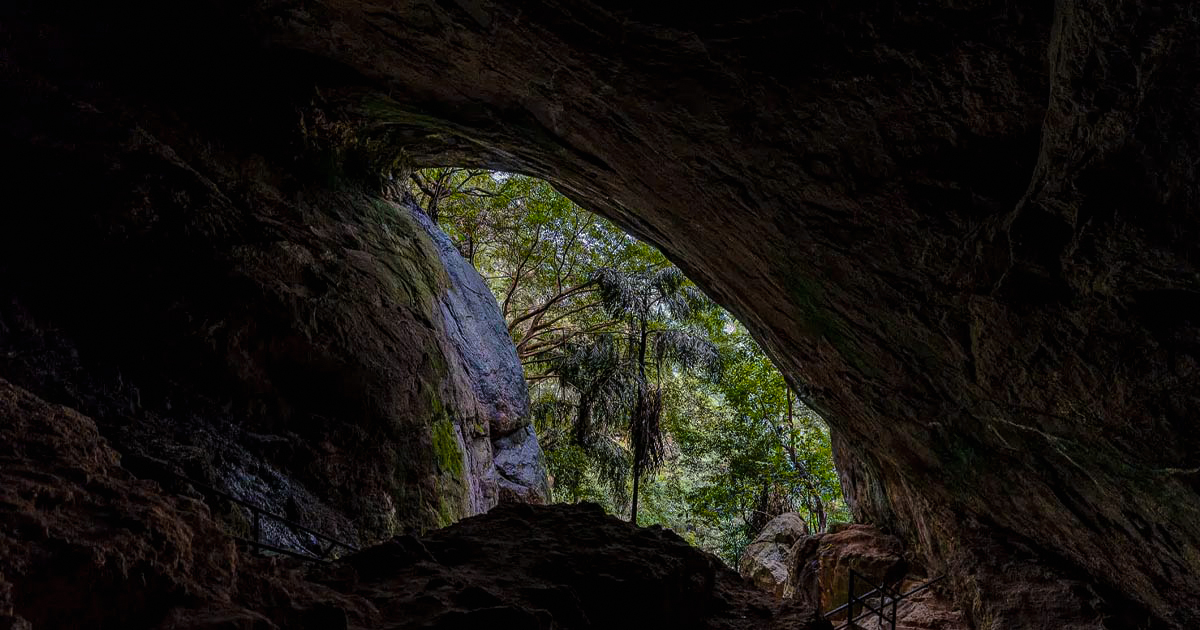
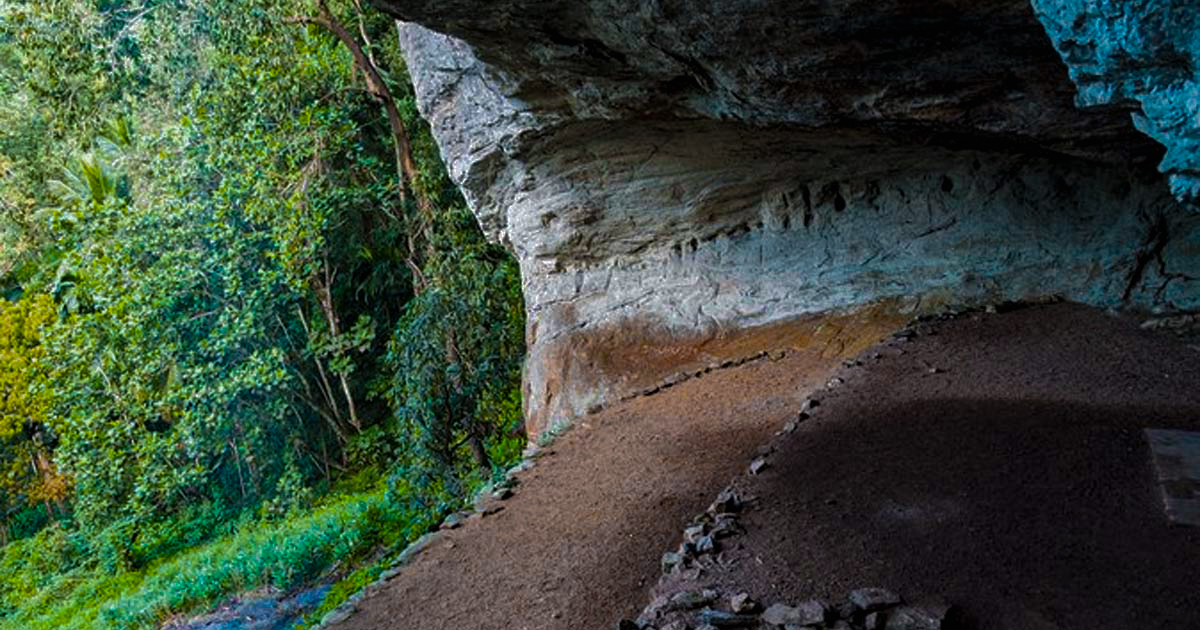
● Introduction Belilena Cave, located near the lush hill-country town of Kitulgala, is one of the most significant...

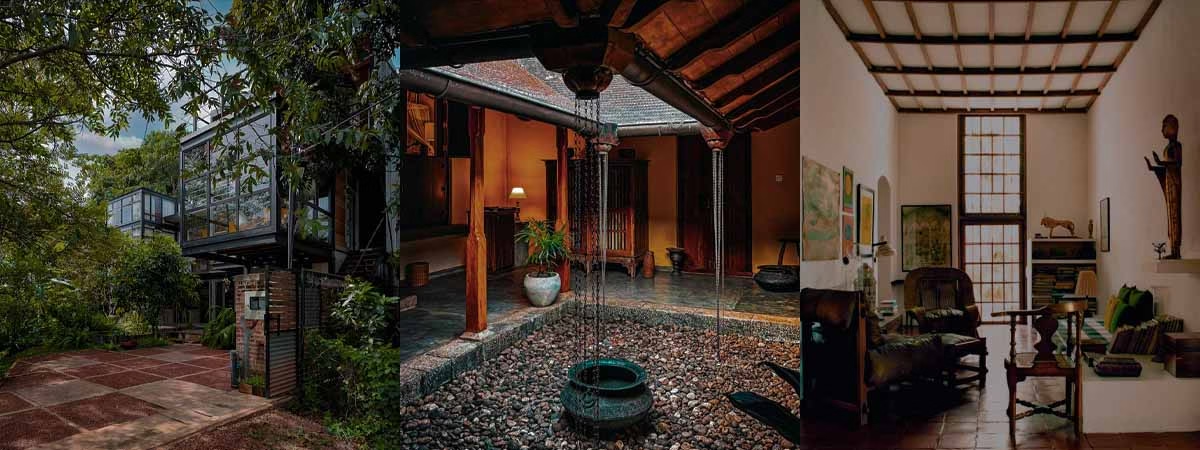
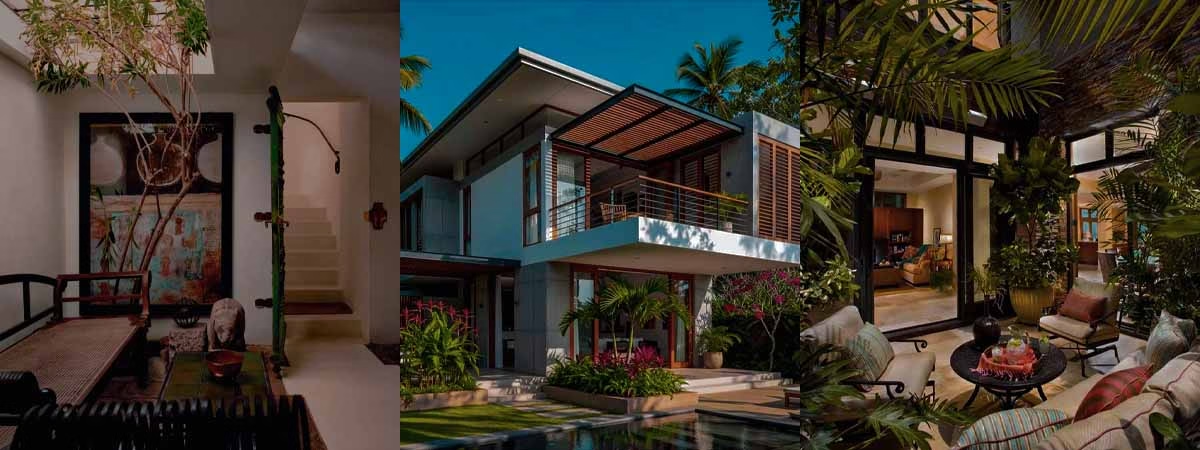
Architecture in Sri Lanka is inseparable from landscape, climate, and culture. Nowhere is this relationship expressed more beautifully than in the work of Geoffrey Bawa, the architect who shaped the island’s modern design identity through what became known as tropical modernism. His spaces are not defined by walls alone, but by light, gardens, water, breeze, and movement.
This journey explores Sri Lanka through architecture as lived experience rather than observation. From Colombo’s refined urban residences to Lunuganga’s garden landscapes and coastal design spaces in Bentota and Galle, travelers experience how buildings interact with environment, tradition, and daily life.
Rather than focusing on technical architecture, the journey reveals the emotional quality of space — how calm courtyards feel at midday, how open verandas frame views, and how architecture quietly guides the rhythm of life. It is a slow, thoughtful exploration of Sri Lanka through design, culture, and atmosphere.
Day Description
Arrival in Colombo introduces travelers to Sri Lanka through a city shaped by layers of history and design. The drive from the airport gradually reveals colonial buildings, shaded residential streets, and contemporary tropical architecture influenced by Geoffrey Bawa’s philosophy. Colombo does not overwhelm visitors; instead, it unfolds gently through proportion, texture, and atmosphere.
In the afternoon, a quiet architectural walk through residential Colombo reveals how tropical design responds to climate. Courtyards allow airflow, deep verandas create shade, and gardens soften built space. These details reflect how architecture in Sri Lanka prioritizes comfort, nature, and human scale.
The evening remains calm, allowing travelers to settle into the island’s pace while beginning to observe architecture as part of daily life rather than as isolated landmarks.
Destination Significance
Colombo is essential to understanding Geoffrey Bawa’s architectural journey. The city represents the intersection of colonial influence and modern Sri Lankan identity, where Dutch planning, British civic structures, and post-independence design coexist. It was here that Bawa began experimenting with spatial ideas that would later define tropical modernism.
Urban homes and boutique residences in Colombo demonstrate how architecture can adapt to heat, rainfall, and urban density while maintaining openness and tranquility. These environments show how Bawa transformed Sri Lankan architecture into something contemporary yet deeply connected to tradition.
Starting the journey in Colombo provides the intellectual and cultural foundation for understanding the architectural spaces that follow — where design becomes increasingly integrated with landscape and environment.
Day Description
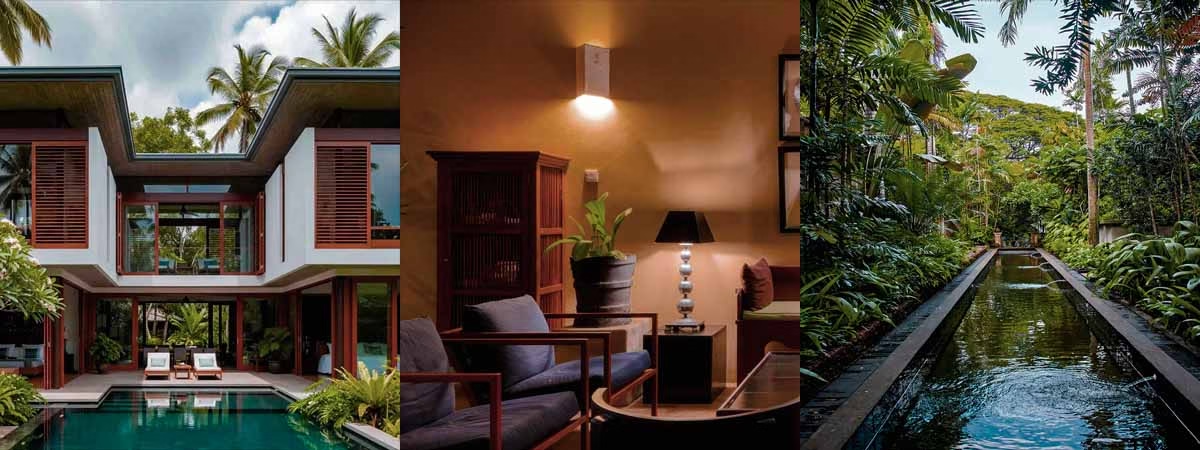
The morning unfolds through visits to design spaces shaped by Bawa’s architectural influence. Interiors feel open yet intimate, where light filters through courtyards and corridors connect gardens to living spaces. The experience emphasizes how architecture guides movement naturally.
Walking through these buildings encourages slower observation — the sound of footsteps on stone floors, filtered daylight across white walls, and carefully framed views of greenery. The experience feels calm and contemplative rather than instructional.
By afternoon, the pace softens, allowing time to absorb the atmosphere of these environments and the philosophy behind them.
Destination Significance
Colombo’s design spaces represent the early development of tropical modernism. Geoffrey Bawa’s projects reinterpreted colonial spatial planning using local materials, ventilation techniques, and landscape integration. His work influenced Sri Lanka’s hospitality and residential architecture for decades.
These spaces demonstrate how architecture in Sri Lanka evolved to balance tradition and modernity. Instead of separating buildings from environment, Bawa’s designs allowed climate and landscape to shape structure.
Experiencing these environments early in the journey helps travelers understand the design language that will appear in larger architectural works later in the trip.

Hotel
Day Description
Traveling south toward Bentota, the urban landscape gradually gives way to coconut groves, rivers, and coastal vegetation. The journey itself reflects Sri Lanka’s transition from city architecture to landscape architecture.
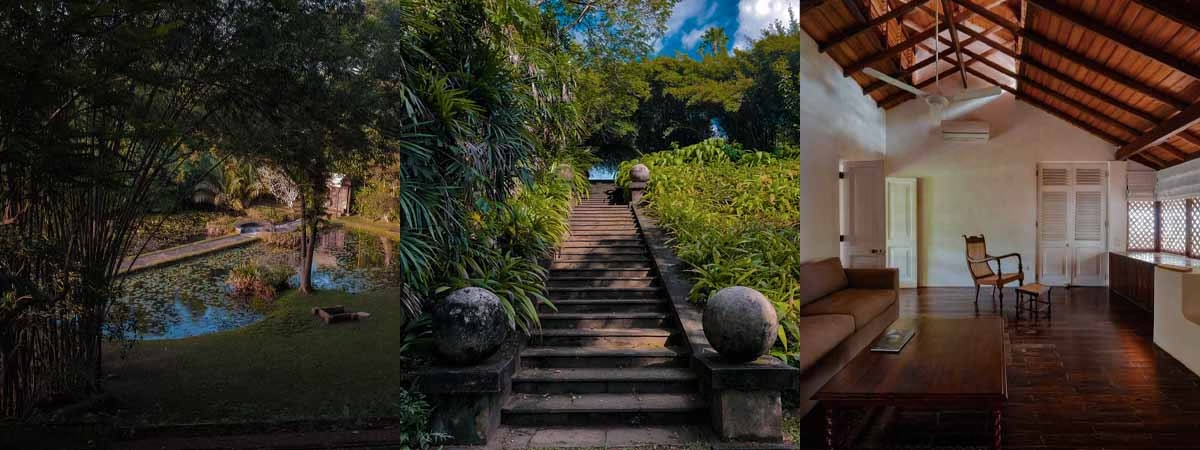
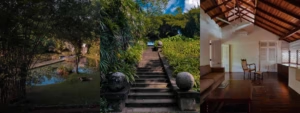
At Lunuganga Estate, Geoffrey Bawa’s former home, architecture dissolves into garden design. Paths lead to unexpected viewpoints, terraces overlook still water, and open pavilions appear within carefully shaped terrain. Walking through the estate feels like moving through a living composition.
The afternoon unfolds slowly, allowing time to experience Lunuganga not as a garden alone but as a philosophy of space, balance, and stillness.
Destination Significance
Lunuganga is the heart of Geoffrey Bawa’s creative vision. Over decades, he transformed a rubber plantation into a landscape where architecture and nature exist seamlessly together. The estate became his laboratory for exploring spatial rhythm, perspective, and environmental harmony.
Every path, tree, and structure reflects Bawa’s belief that architecture should emerge from landscape rather than dominate it. Lunuganga represents the origin of tropical modernism in Sri Lanka.
Visiting Lunuganga allows travelers to experience architecture emotionally — through movement, silence, and connection to environment.
Hotel Options
Day Description
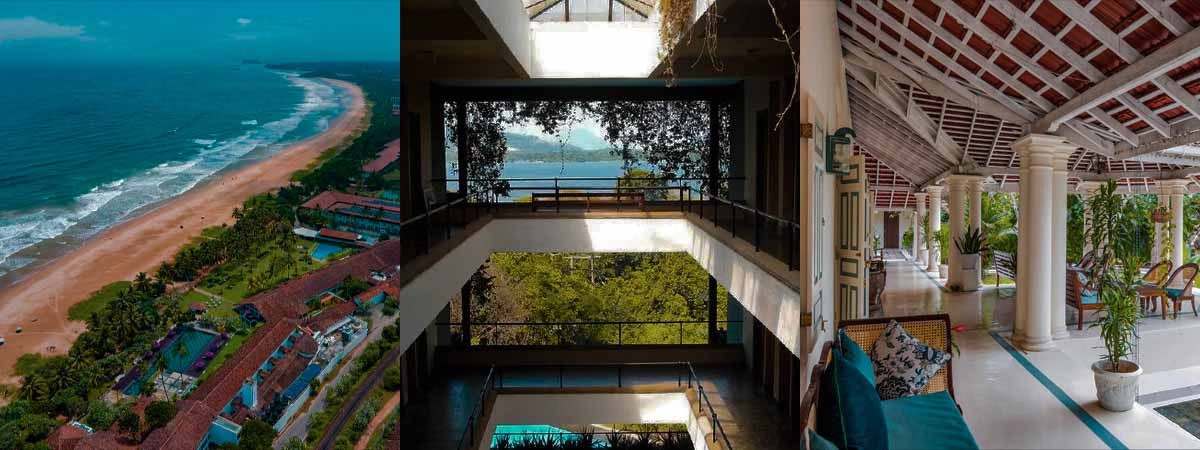
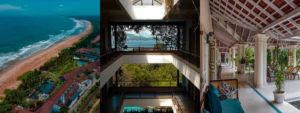
The coastline around Bentota reveals architecture shaped by sea breeze, sunlight, and tropical vegetation. Buildings open outward, allowing natural ventilation and uninterrupted views of ocean and garden.
Walking through coastal design spaces highlights how architecture can feel both protective and open. Deep overhangs create shade, courtyards capture light, and materials reflect the surrounding landscape.
The afternoon invites rest by the sea, reinforcing the connection between design and environment.
Destination Significance
Bentota became a center for Sri Lanka’s architectural tourism development during the mid-20th century. Geoffrey Bawa’s coastal projects here demonstrated how hotels could blend with landscape rather than compete with it.
These structures represent the evolution of tropical hospitality architecture, where simplicity, climate-awareness, and spatial openness define design.
Bentota shows how architecture can enhance the experience of place while preserving natural harmony.
Hotel Options
Day Description
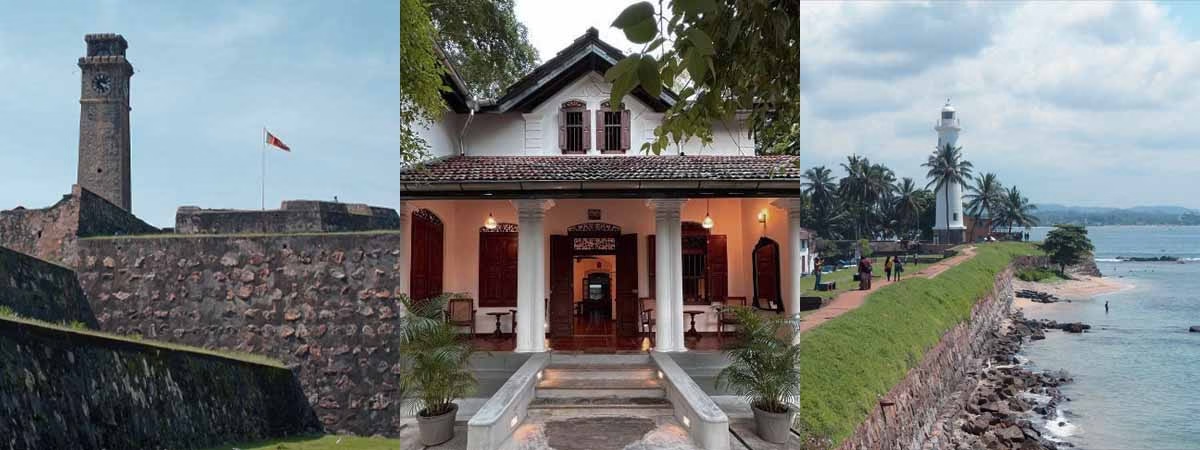
The journey continues along the southern coastline toward Galle Fort. The scenery shifts gradually from open beaches to historic stone walls and narrow streets shaped by centuries of trade.
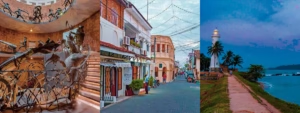
Inside the fort, architecture feels intimate and protective. Courtyards provide shade, thick walls soften heat, and sea breeze moves through narrow lanes. Walking becomes the best way to understand the space.
The sunset along the ramparts offers a quiet moment where architecture and ocean meet.
Destination Significance
Galle Fort represents Sri Lanka’s colonial architectural heritage. Built by the Portuguese and expanded by the Dutch, the fort demonstrates how early builders adapted European design to tropical climate.
Today, restored homes and boutique spaces show how heritage architecture can remain alive. Galle connects Sri Lanka’s architectural past with its creative present.
It provides historical contrast to Geoffrey Bawa’s modern design philosophy.
Highlights
Activities
Hotel Options
Day Description
A slower day inside Galle Fort allows architecture to be experienced through daily life. Cafés, galleries, and restored homes demonstrate how heritage spaces adapt to modern use while maintaining identity.
Light changes across stone walls throughout the day, and narrow streets create a sense of calm enclosure. The experience emphasizes atmosphere rather than structure.
The afternoon remains open for reflection and exploration.
Destination Significance
Galle today represents the continuity of Sri Lanka’s architectural story. Preservation and creativity coexist, showing how design evolves without losing identity.
This environment reflects the architectural journey’s central theme — balance between past and present, nature and structure, tradition and innovation.

Highlights
Activities
Hotel Options
Day Description
The journey concludes with a relaxed coastal morning before returning toward the airport. The drive offers time to reflect on architecture experienced through landscape, city, and heritage.
Architecture now feels connected to culture, climate, and memory.
Destination Significance
This journey reveals Sri Lanka through Geoffrey Bawa’s philosophy — architecture shaped by environment, history, and human experience. From Colombo to Lunuganga and Galle, design becomes a language of place.

Highlights
Activities
Hotel Options