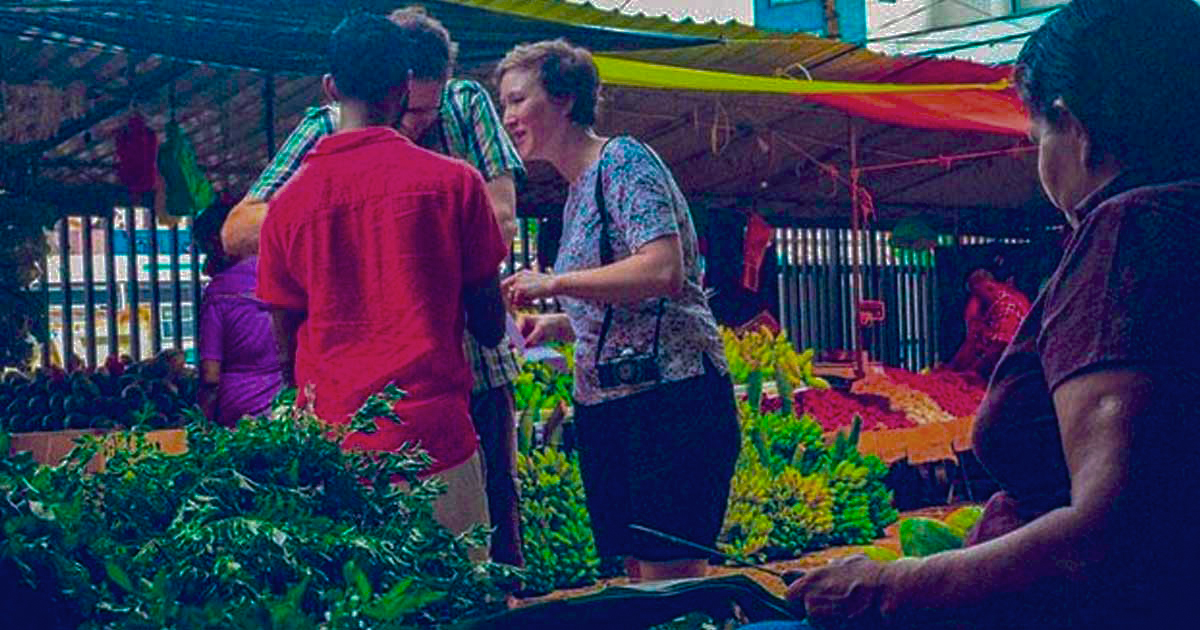
Market Tours in Sri Lanka – A Colorful Journey Through Local Life and Flavors
● Introduction Market tours in Sri Lanka are one of the most vibrant and culturally rich experiences foreign...

Sri Lanka is not a country that reveals itself through speed. It unfolds gradually — through ancient reservoirs reflecting morning light, temple bells echoing across hills, tea mist settling over valleys, and fishermen casting nets at sunset. Landscapes, traditions, and daily life exist here in quiet continuity.
This ten-day journey is crafted as a considered introduction to the island. It moves with intention rather than urgency — beginning in the ancient heartland, continuing into the spiritual capital, rising into the cool tea country, descending into wildlife plains, and concluding along the southern coast shaped by centuries of maritime history.
Rather than focusing only on landmarks, the experience allows time to feel Sri Lanka — the rhythm of village life, the stillness of sacred spaces, the calm of the highlands, and the warmth of coastal towns. Private travel, thoughtful pacing, and carefully chosen hotels ensure that comfort and context remain constant throughout.
This is Sri Lanka experienced with balance, clarity, and care.
Day Description (Immersive Narrative)
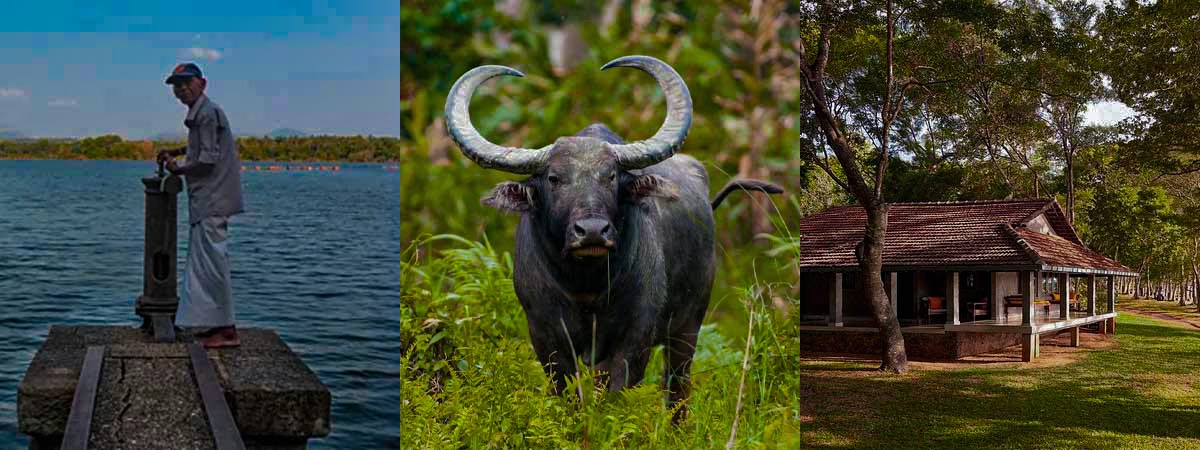
After arrival, the journey begins inland, leaving behind the coastal bustle as the road gradually opens into forest corridors, farmland, and wide reservoirs shimmering under tropical skies. The transition feels gentle — a quiet introduction to rural Sri Lanka.
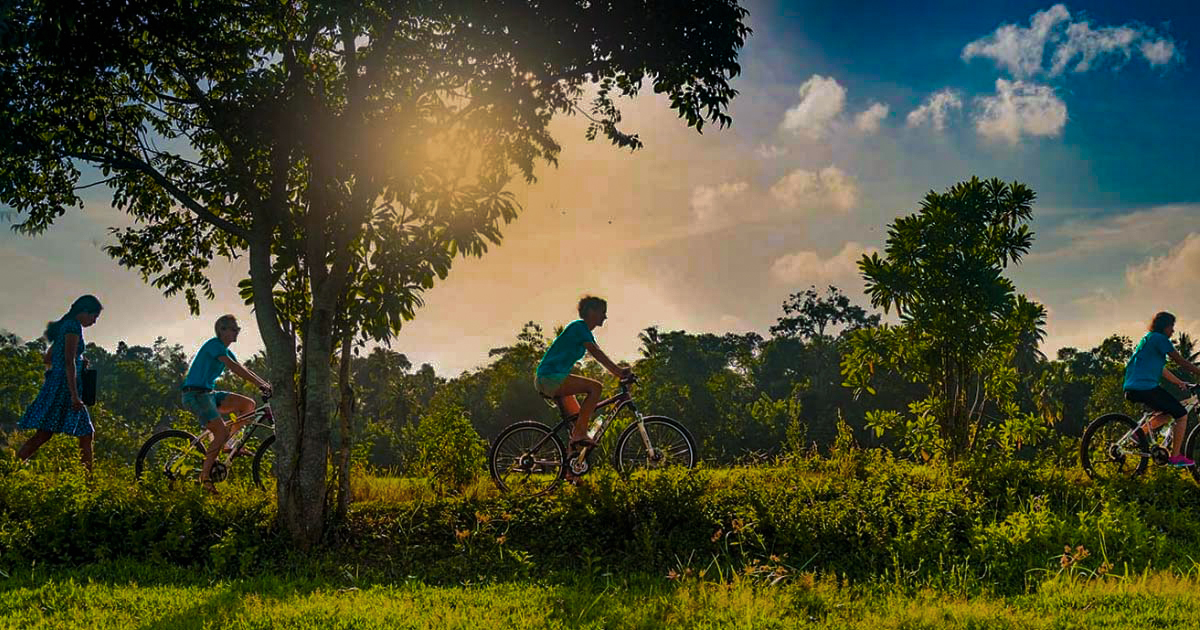
As you approach the Cultural Triangle, the landscape becomes increasingly spacious. Ancient irrigation tanks appear beside village roads, water buffalo graze in fields, and life moves at an unhurried pace. The afternoon is intentionally free, allowing time to rest and settle into the rhythm of the countryside.
The calm arrival ensures that the journey begins without pressure, creating space to adjust, breathe, and observe.
Destination Significance — Cultural Triangle
The Cultural Triangle forms the historic foundation of Sri Lankan civilization. Between the 3rd century BCE and the 13th century CE, powerful kingdoms flourished here, building advanced irrigation systems that turned dry plains into fertile agricultural landscapes. These reservoirs — many still functioning today — reflect a sophisticated understanding of water management unmatched in the ancient world.
Buddhism shaped governance, art, architecture, and daily life in this region. Monasteries, temples, and cities were built not only as political centers but as spiritual environments. Even today, farming villages continue to rely on the same water systems designed centuries ago, preserving an unbroken connection between past and present.
Beginning here allows travelers to understand Sri Lanka at its roots — where land, water, belief, and community remain intertwined.
Highlights
Activities
Day Description (Immersive Narrative)
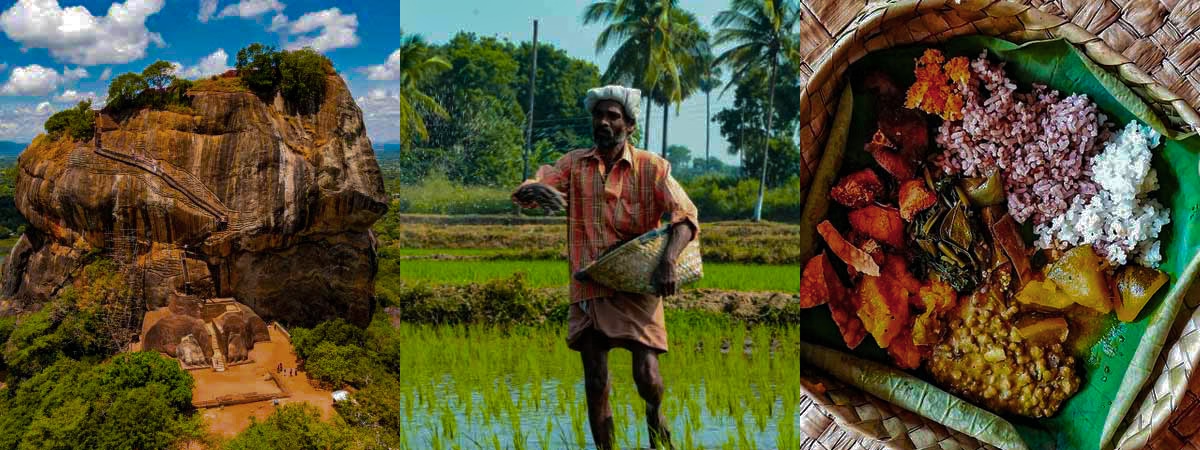
The morning begins early, when the plains remain cool and light falls softly across the countryside. Sigiriya rises dramatically from the surrounding forest — a towering rock fortress that commands the horizon.
The guided ascent reveals water gardens, frescoes, and mirror walls before reaching the summit, where sweeping views stretch across the Cultural Triangle. The climb is steady but rewarding, offering insight into both royal ambition and advanced engineering.
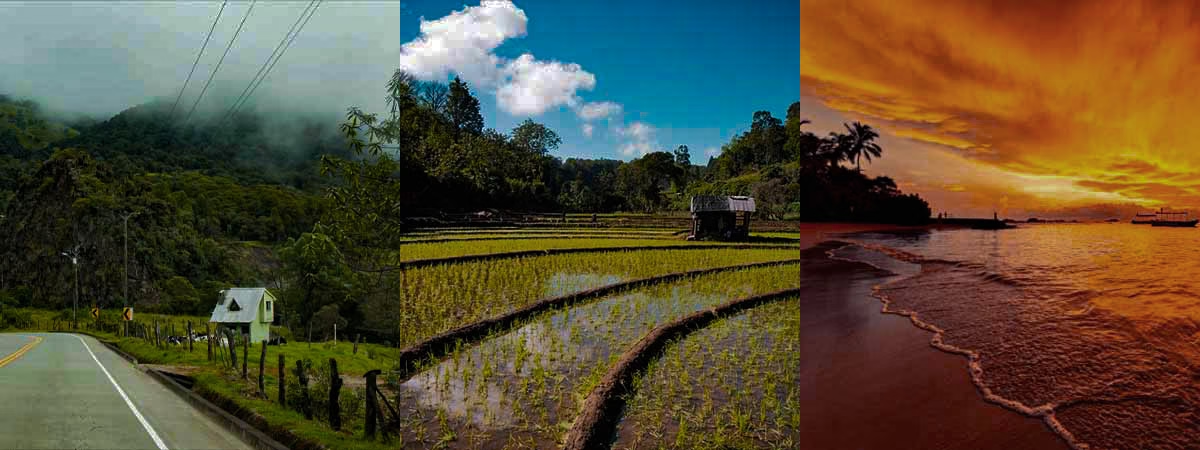
Later, the atmosphere shifts to village life. A gentle walk through farmland reveals paddy cultivation, small irrigation channels, and family homes shaded by coconut trees. A home-style lunch served by a local family offers a direct connection to everyday Sri Lankan hospitality — simple, generous, and rooted in tradition.
Destination Significance — Sigiriya
Built in the 5th century by King Kashyapa, Sigiriya represents one of South Asia’s most remarkable examples of urban planning and landscape design. The fortress integrates architecture, art, water engineering, and natural topography in a way that was centuries ahead of its time.
Yet the surrounding villages tell an equally important story. Agricultural practices here remain closely tied to ancient reservoir systems and seasonal rhythms. Rice cultivation, chena farming, and community-based irrigation continue much as they did during early kingdoms.
Pairing Sigiriya with village life reveals both the grandeur and continuity of Sri Lankan civilization — royal ambition balanced with everyday resilience.
Highlights
Activities
Hotel: Same as Day 01
Day Description
Day Description (Immersive Narrative)
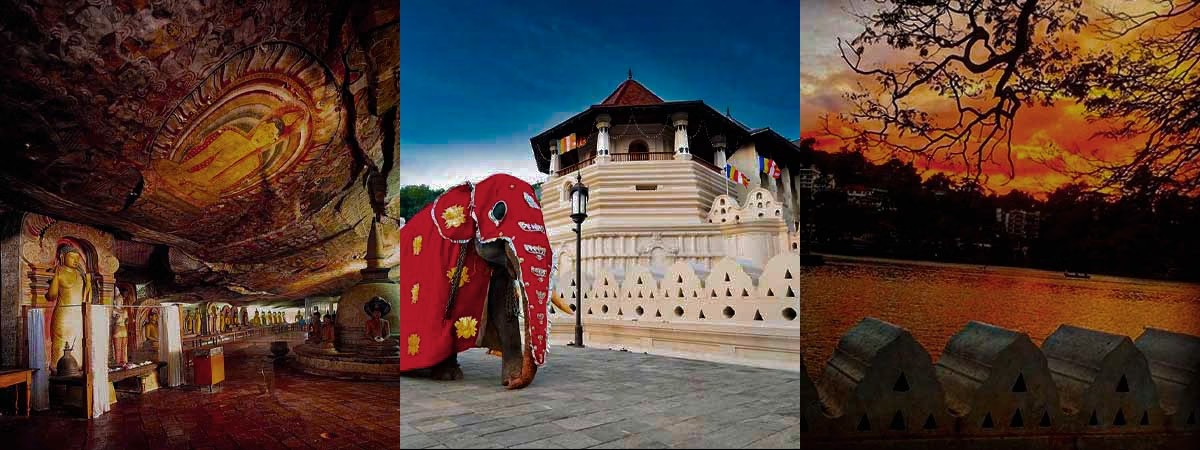
Departing the plains, the road gradually climbs toward Sri Lanka’s central hills. En route, the Dambulla Cave Temple offers a striking contrast — natural rock chambers filled with centuries-old murals and serene Buddha statues illuminated by filtered light.
Continuing south, the air cools slightly as the landscape becomes greener. By afternoon, you arrive in Kandy, set beside a tranquil lake and surrounded by forested hills. In the evening, visit the Temple of the Sacred Tooth Relic during a quieter period of worship, when chanting fills the courtyard and pilgrims move slowly through the shrine.
Kandy feels intimate yet significant — a city where spirituality remains central to daily life.
Destination Significance — Kandy
Kandy served as Sri Lanka’s final royal capital before colonial rule and remains the island’s spiritual center. The Temple of the Sacred Tooth Relic houses what is believed to be a relic of the Buddha, making it one of the most sacred Buddhist sites in the world.
The city’s lake, palace complex, and surrounding monasteries reflect the Kandyan kingdom’s architectural style and its resistance to colonial expansion. Even today, annual festivals and daily rituals reinforce Kandy’s cultural importance.
Including Kandy ensures travelers experience Sri Lanka not only as an archaeological destination, but as a living spiritual society.
Highlights
Activities
Day Description (Immersive Narrative)
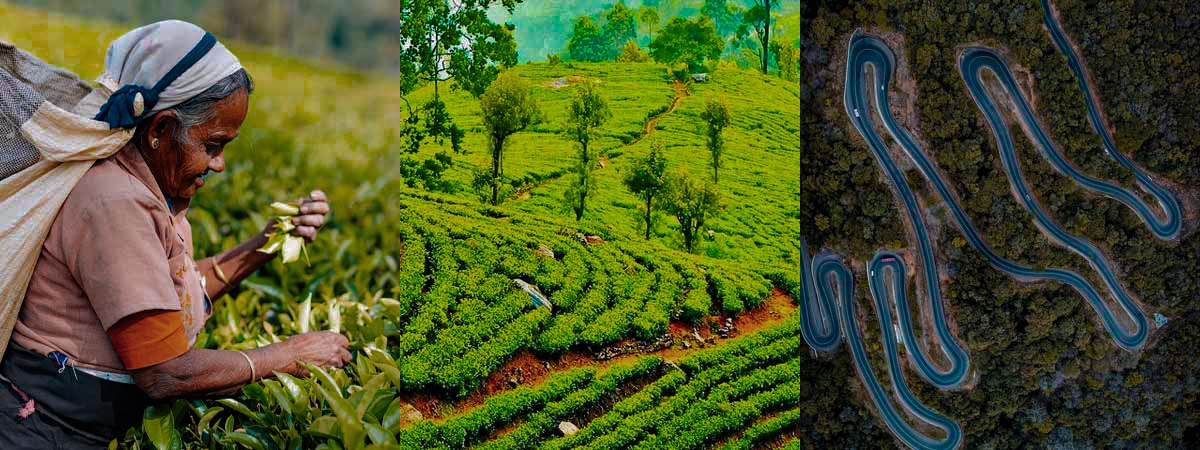
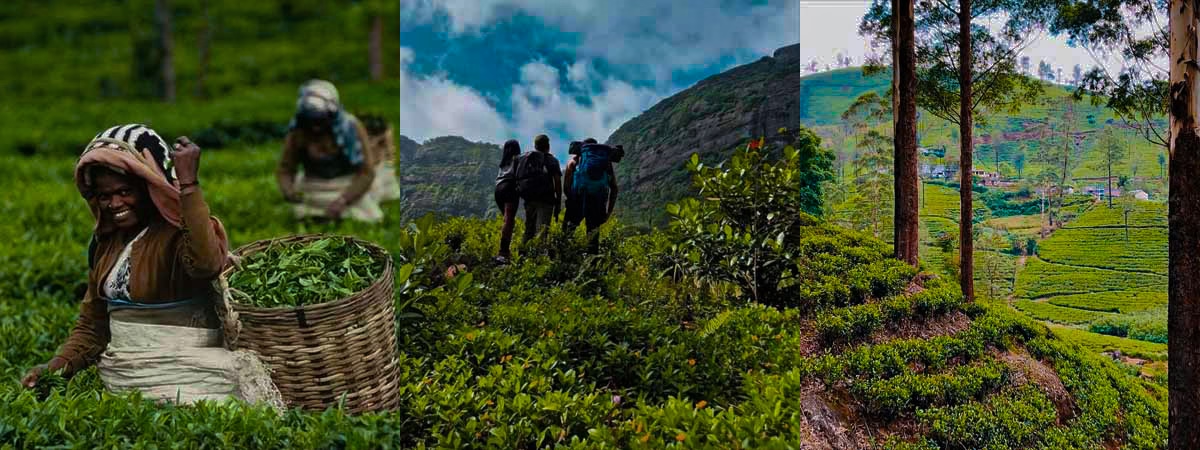
The journey continues upward into Sri Lanka’s central highlands. The temperature cools, tea estates begin to blanket hillsides, and mist drifts through valleys. The drive itself becomes part of the experience — winding roads revealing panoramic viewpoints at every turn.
A visit to a working tea plantation introduces the cultivation process, from hand-plucked leaves to factory production. The scent of drying tea and the quiet efficiency of the process reveal how this crop reshaped Sri Lanka’s economy.
The evening is calm, defined by mountain air and slower rhythms.
Destination Significance — Tea Country
Tea was introduced during British colonial rule in the 19th century, transforming both the landscape and economic structure of the island. Vast plantations replaced forested slopes, and Tamil communities were brought from India to work on estates — shaping Sri Lanka’s multicultural identity.
Today, tea remains one of Sri Lanka’s most recognized global exports. The highlands tell a layered story of colonial enterprise, labor history, and environmental adaptation.
Including tea country adds depth to the journey — revealing how history reshaped geography and society.
Highlights
Activities
Hotel Options:
The Blackpool | Araliya Red | Oak Ray Tea Bush
Day Description (Immersive Narrative)
The day unfolds at a slower pace. The hill country encourages gentle exploration — whether through a short nature walk, a visit to a botanical garden, or simply enjoying panoramic views from the hotel.
Clouds move across slopes, tea pickers work methodically along terraced hills, and the cool air creates a sense of retreat. Unlike the historic plains, the highlands feel contemplative.
The day remains flexible, preserving the balance between exploration and rest.
Destination Significance — Highlands
The highlands represent one of Sri Lanka’s most visually iconic landscapes. Beyond beauty, they reflect environmental adaptation, colonial history, and the cultural heritage of estate communities.
This region offers contrast — cooler climate, layered valleys, and a quieter rhythm — ensuring the journey remains varied and multidimensional.
Highlights
Activities
Hotel: Same as Day 04
Day Description (Immersive Narrative)
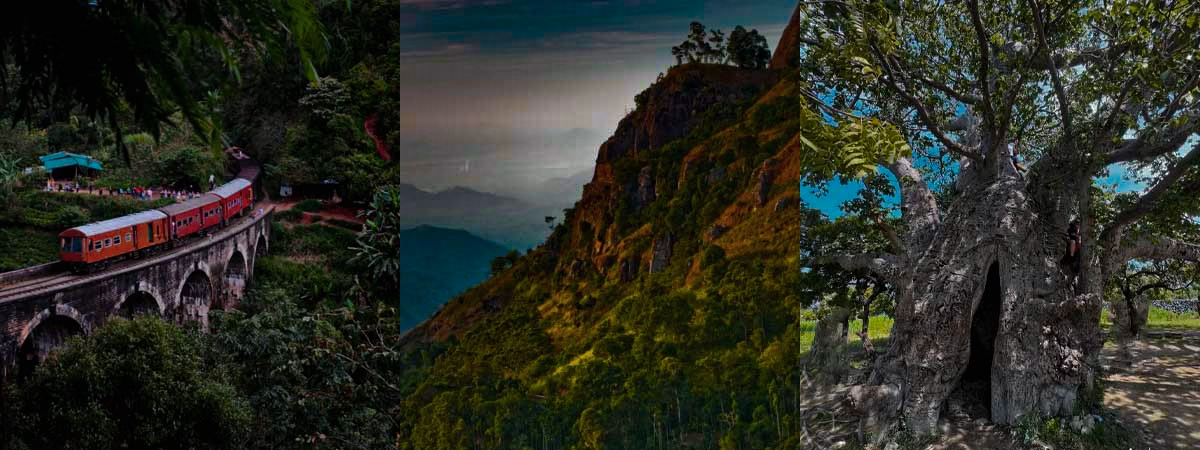
The route descends from misty hills toward Sri Lanka’s southeastern plains. A stop in Ella allows time to view the Nine Arch Bridge, a striking example of colonial railway engineering framed by jungle-covered slopes.
Continuing toward the safari region, the terrain shifts dramatically. The landscape becomes drier, more open, and increasingly wild.
The day captures Sri Lanka’s remarkable geographic transitions.
Destination Significance — Ella & Dry Zone Plains
Ella represents the intersection of tea heritage and railway engineering. The Nine Arch Bridge symbolizes colonial-era ambition embedded within natural surroundings.
The dry-zone plains beyond illustrate ecological diversity — seasonal water systems supporting wildlife habitats.
This transition day reveals how dramatically Sri Lanka’s environments can change within a few hours.
Highlights
Activities
Hotel Options:
Kithala Resort | Centauria Wild | Kalu’s Hideaway
Day Description (Immersive Narrative)
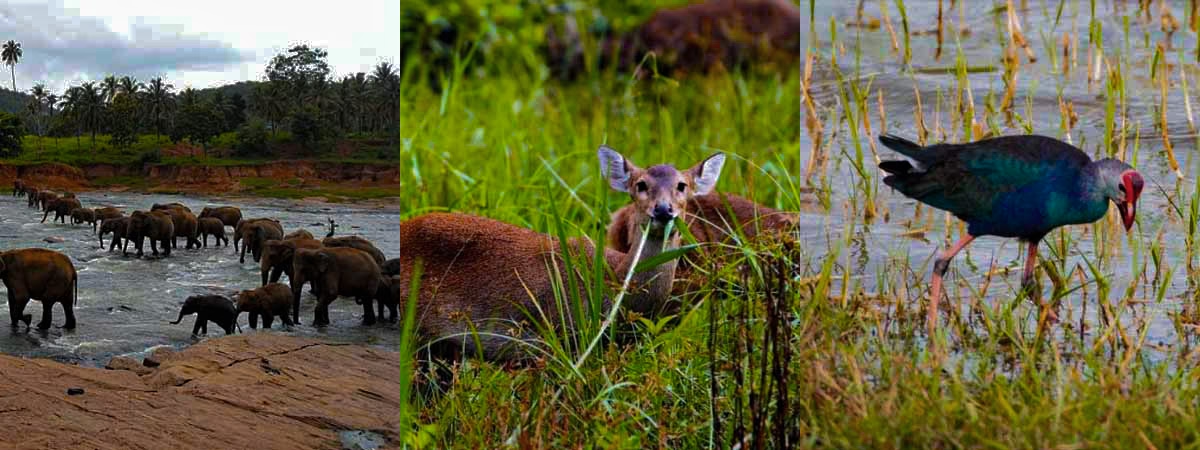
The safari begins in the soft light of morning or late afternoon. The jeep moves slowly across plains, lagoons, and scrub forests. Elephants may gather near water, deer move quietly through brush, and birdlife thrives in wetland pockets.
The experience is observational rather than hurried — allowing time to understand animal behavior and habitat patterns.
The dry-zone environment feels expansive and untamed.
Destination Significance — National Parks
Sri Lanka’s wildlife reserves protect fragile ecosystems shaped by seasonal rainfall and water distribution. These landscapes are essential for elephant migration, bird habitats, and biodiversity conservation.
Including a safari ensures that the journey reflects not only culture and history but also ecological heritage.
Highlights
Activities
Hotel: Same as Day 06
Day Description (Immersive Narrative)
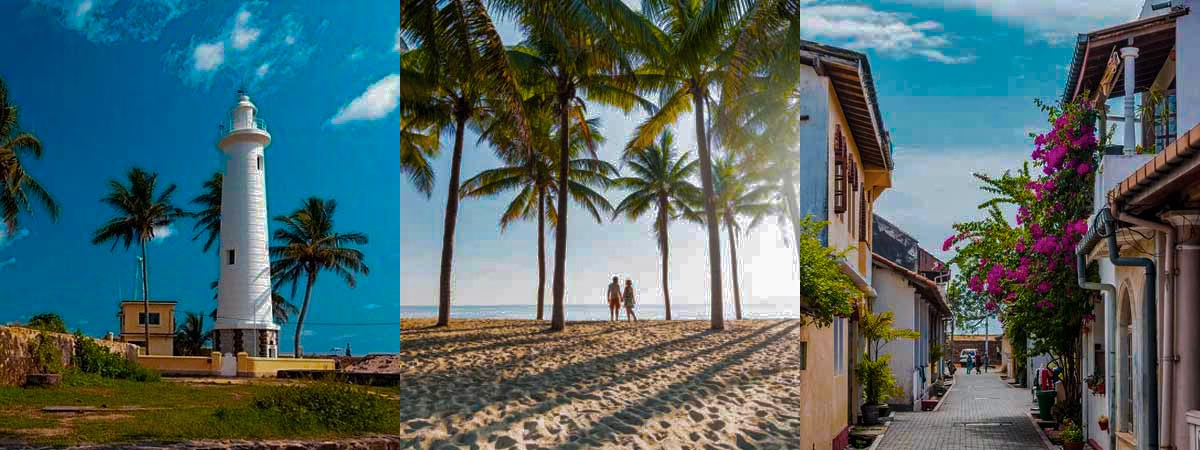
Travel south toward the coast, where palm trees replace scrubland and ocean air becomes noticeable. By afternoon, arrive in Galle Fort — a walled town overlooking the Indian Ocean.
A guided walk reveals colonial architecture, quiet courtyards, and ramparts where sea views stretch outward.
The atmosphere feels both historic and relaxed.
Destination Significance — Galle Fort
Originally built by Portuguese traders and fortified by the Dutch, Galle Fort reflects centuries of maritime exchange. Its preserved street grid and buildings illustrate European colonial influence layered over Sri Lankan life.
Today, it remains a living town — blending history with contemporary culture.
Highlights
Activities
Hotel Options:
Mango House | Fort Bliss | The Bartizan
Day Description (Immersive Narrative)
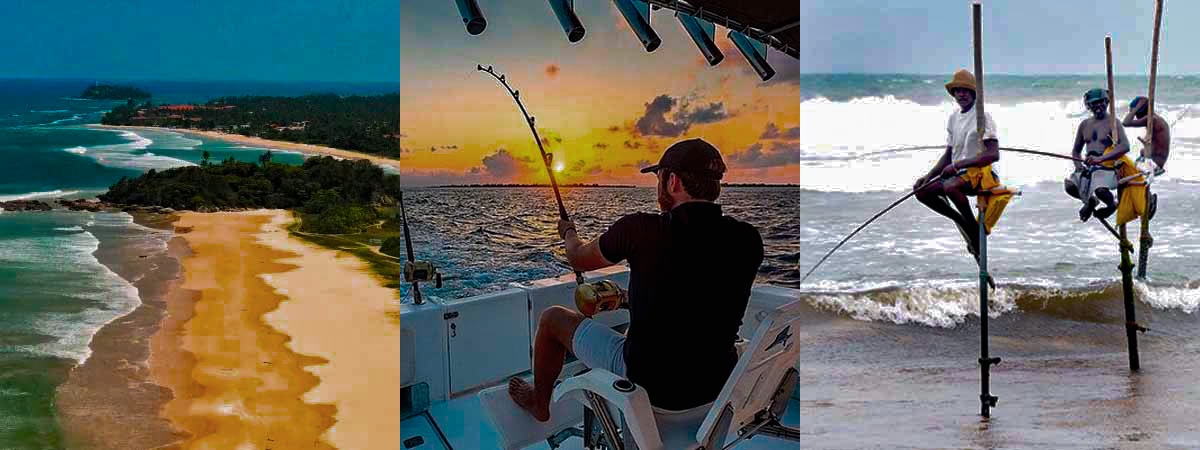
The southern coast offers time to slow down. Beaches stretch calmly along the Indian Ocean, fishing boats line the shore, and village life unfolds quietly.
This free day allows personal pace — whether walking along the beach, visiting nearby villages, or simply resting.
The coast concludes the journey with ease.
Destination Significance — Southern Coast
Sri Lanka’s southern coastline has long been shaped by fishing, trade, and ocean culture. The Indian Ocean remains central to livelihoods and identity.
Ending here provides balance — blending relaxation with maritime heritage.
Highlights
Activities
Hotel: Same as Day 08
Day Description
After breakfast, transfer to the airport or continue onward.
Highlights
Activities