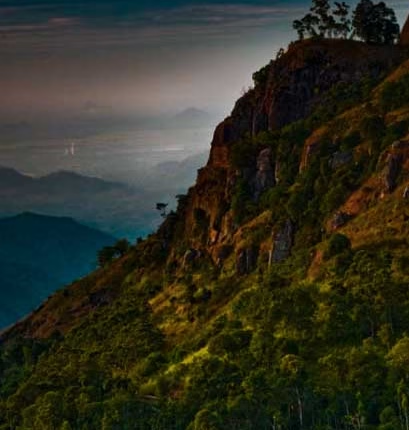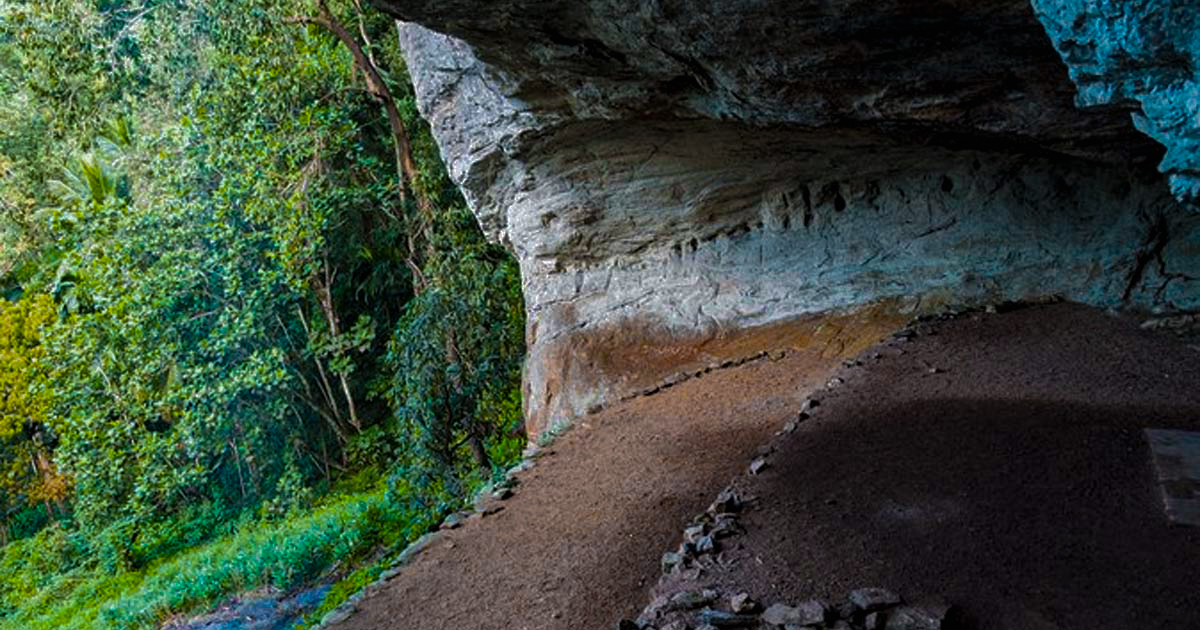
Belilena Cave – Exploring One of Sri Lanka’s Oldest Prehistoric Sites
● Introduction Belilena Cave, located near the lush hill-country town of Kitulgala, is one of the most significant...

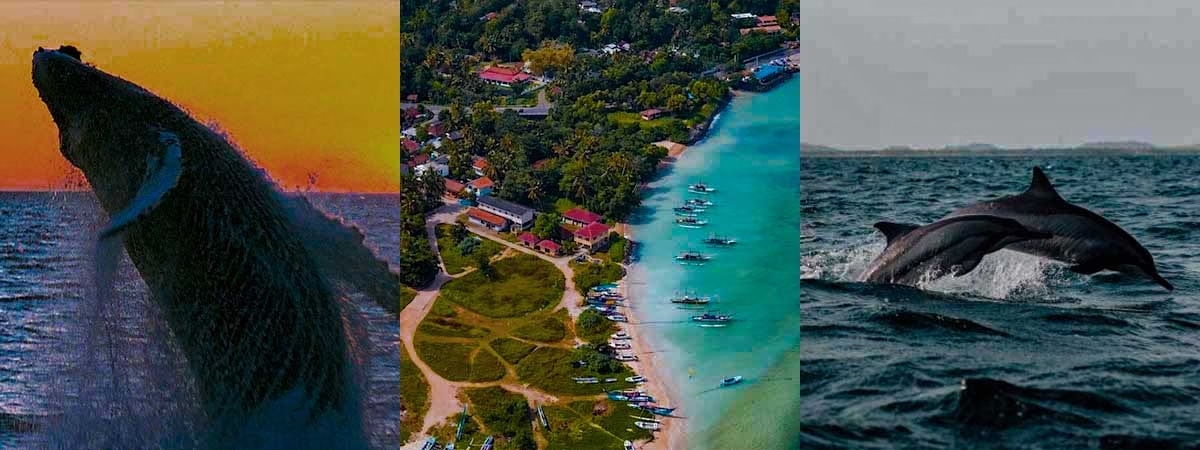

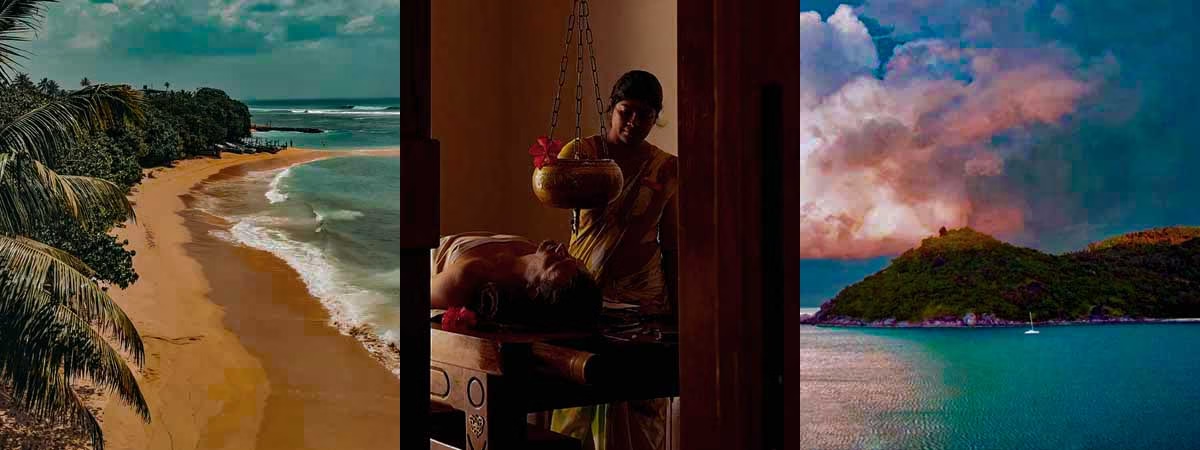
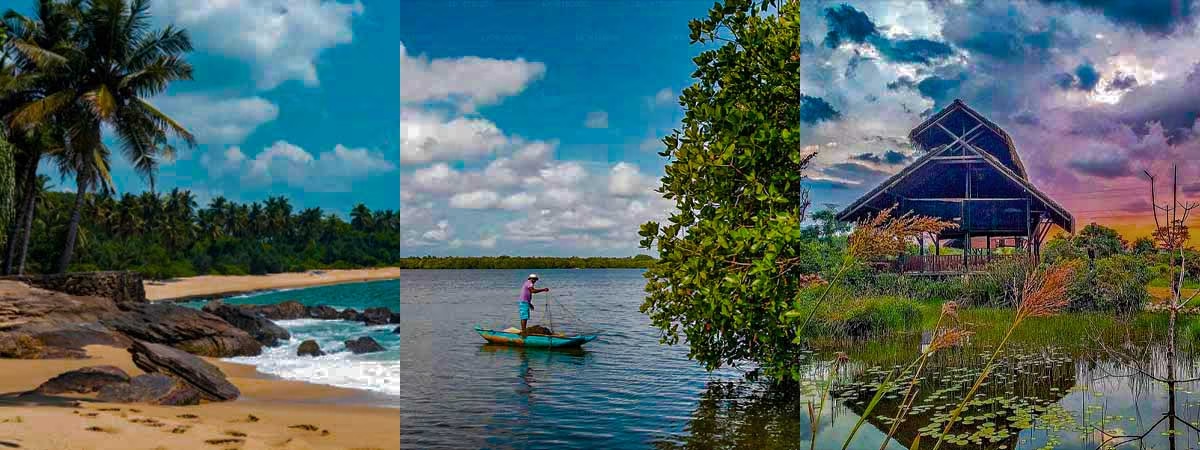
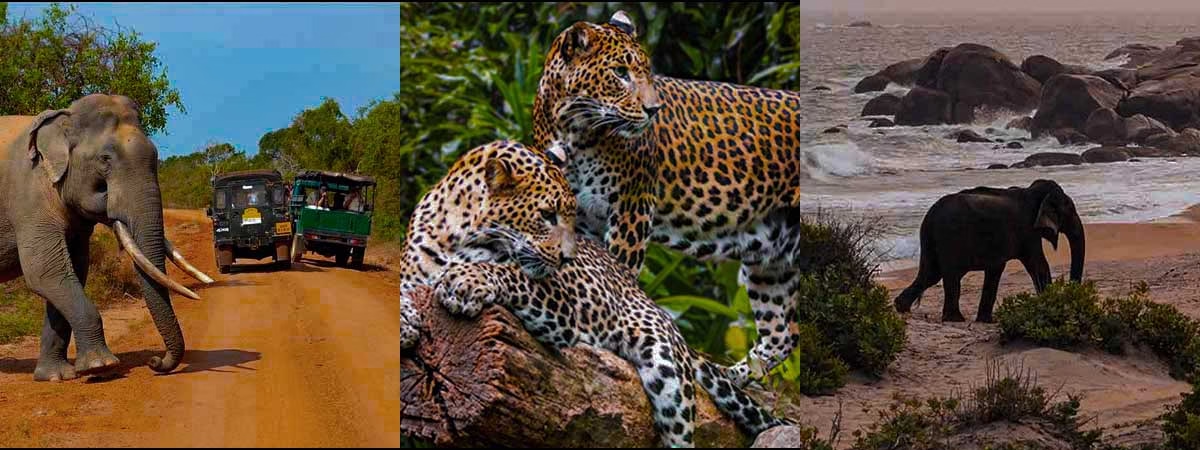
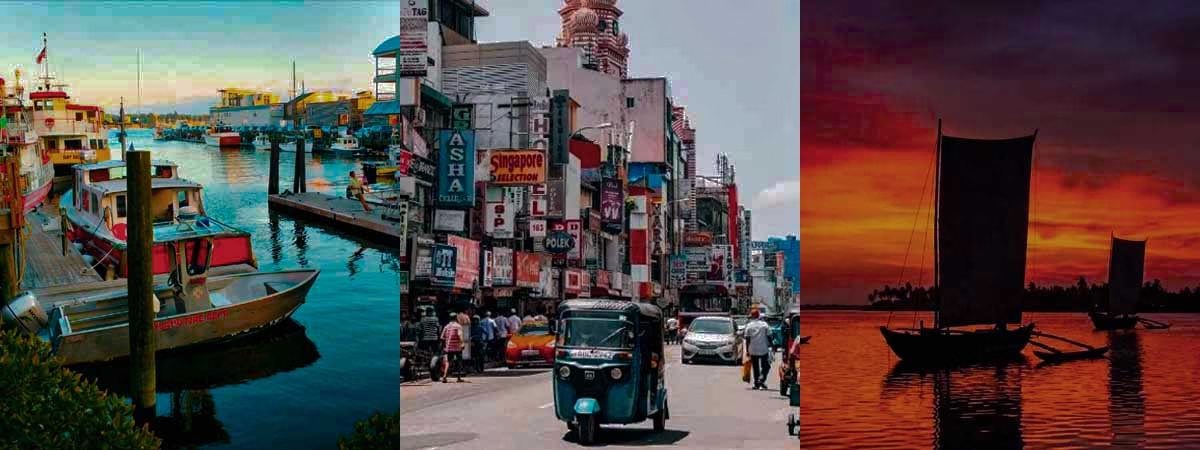
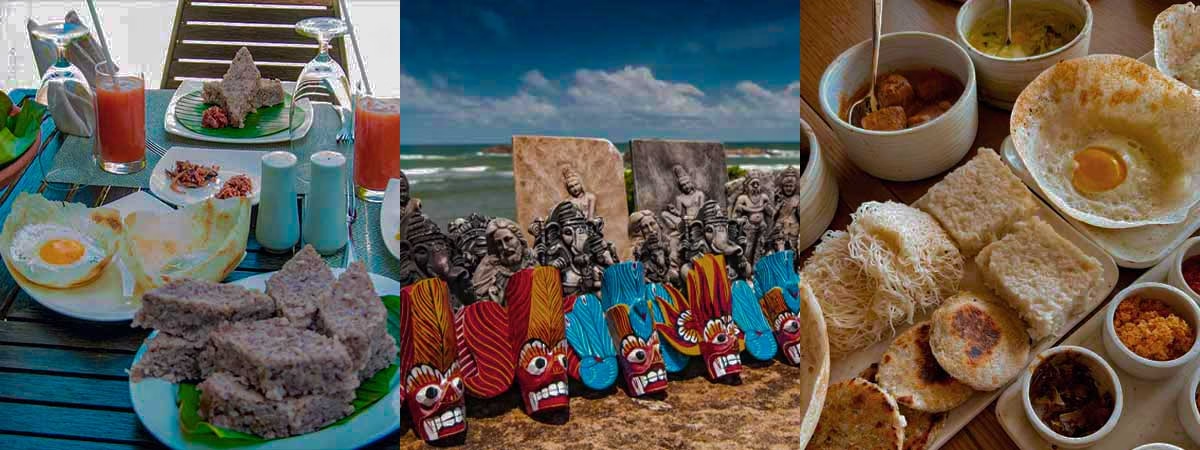
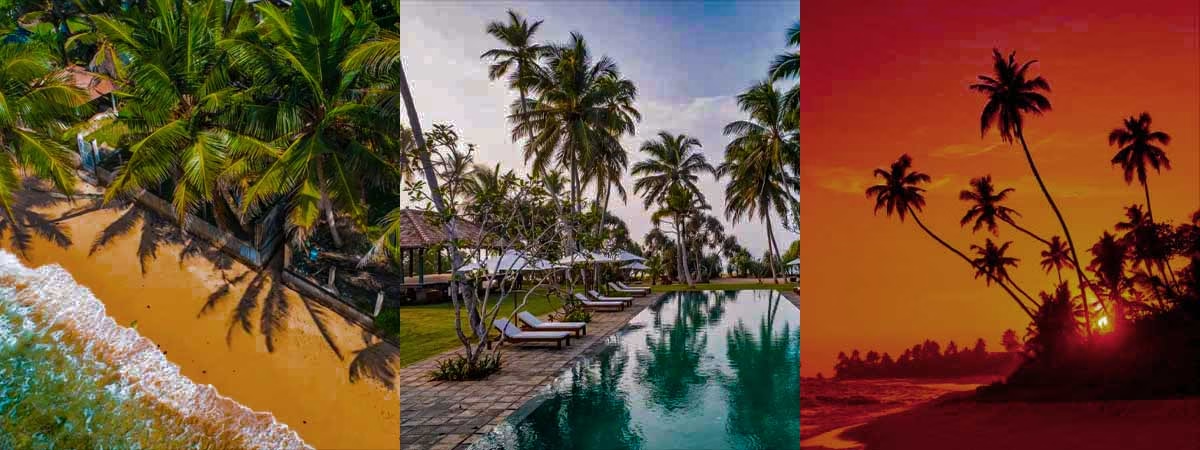
Sri Lanka’s southern coast offers one of the island’s most relaxed and visually captivating journeys, where the rhythm of the ocean shapes daily life. This region blends historic port towns, fishing villages, palm-lined beaches, marine ecosystems, and quiet lagoons into a travel experience that feels both restorative and culturally rich.
For centuries, this coastline connected Sri Lanka to global trade networks across the Indian Ocean. Portuguese, Dutch, and British influences remain visible in architecture and cuisine, while traditional fishing communities continue to live in close relationship with the sea. The result is a landscape where history, culture, and nature coexist naturally.
This journey is designed around slow coastal exploration — balancing discovery with time to pause. Carefully selected seaside stays, gentle activities, and meaningful local encounters allow travelers to experience Sri Lanka’s southern coast with comfort, authenticity, and calm continuity.
Destination Significance — Entering the Coastal Landscape
Sri Lanka’s southern coastline represents a transition into island life shaped by the ocean. Coconut groves, fishing villages, and long beaches define the region’s identity. Historically, this shoreline served as a gateway for traders arriving from Arabia, Europe, and Southeast Asia, leaving behind layers of cultural influence that remain visible today.
Beginning the journey here allows travelers to settle into the island gradually. The openness of the sea, warm tropical air, and slower pace create an immediate sense of relaxation after travel. The coast offers not just scenery, but atmosphere — a feeling of space and calm that defines the days ahead.
This first destination sets the tone for the journey, introducing Sri Lanka through landscape and rhythm rather than activity.
Day Description
The drive south from the airport reveals changing scenery as busy roads give way to palm-lined coastlines and glimpses of the Indian Ocean. The journey itself becomes part of the experience, gradually transitioning into coastal calm.
Arrival at the hotel marks the beginning of slow travel. The afternoon remains unstructured, allowing time to walk along the beach, listen to the waves, or simply rest beneath the shade of coconut trees.
As evening approaches, the sky softens over the ocean, creating a quiet moment that signals the beginning of the journey.

Highlights
Activities
Hotel Options
Destination Significance — Galle Fort
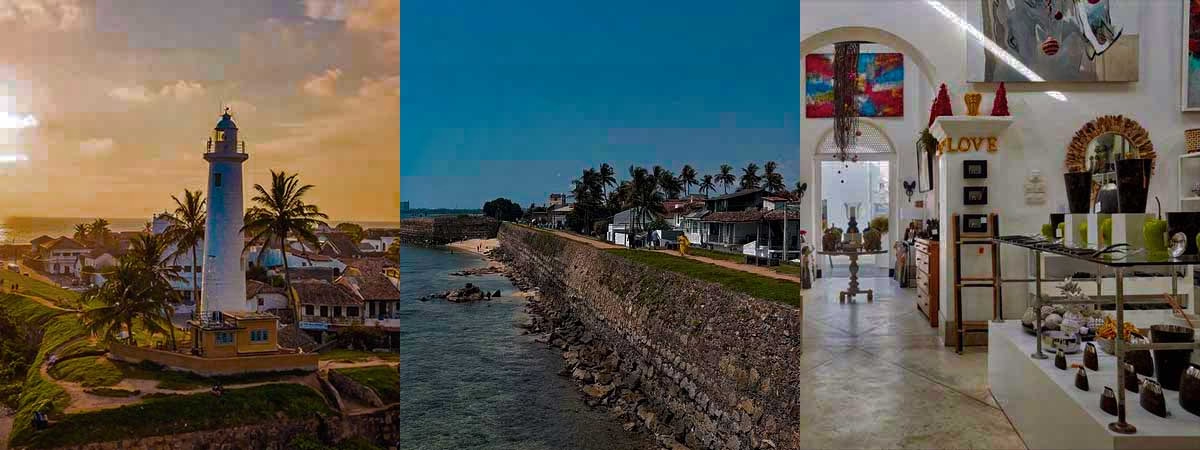
Galle Fort stands as one of the best-preserved colonial port towns in Asia. Built by the Portuguese and fortified by the Dutch in the 17th century, the fort became a key maritime hub connecting Europe and Asia. Today, it remains a living town where local families, artists, and cafés occupy historic buildings within stone walls.
The fort reflects Sri Lanka’s multicultural past. Churches, mosques, temples, and colonial homes exist within walking distance of each other, creating a layered cultural environment shaped by trade and migration.
Exploring Galle Fort reveals how heritage continues to exist within everyday life, making it both historically important and deeply human.
Day Description
Morning begins with a guided walk through Galle Fort’s quiet streets. Sunlight falls across white walls and wooden balconies, while the sea breeze moves through narrow lanes.
Walking along the ramparts reveals uninterrupted views of the ocean, while hidden courtyards and galleries invite slow exploration. The town’s rhythm is calm and welcoming, encouraging visitors to wander without hurry.
The afternoon remains open for cafés, boutiques, or quiet time by the coast.
Highlights
Activities
Hotel Options
Destination Significance — Fishing Communities
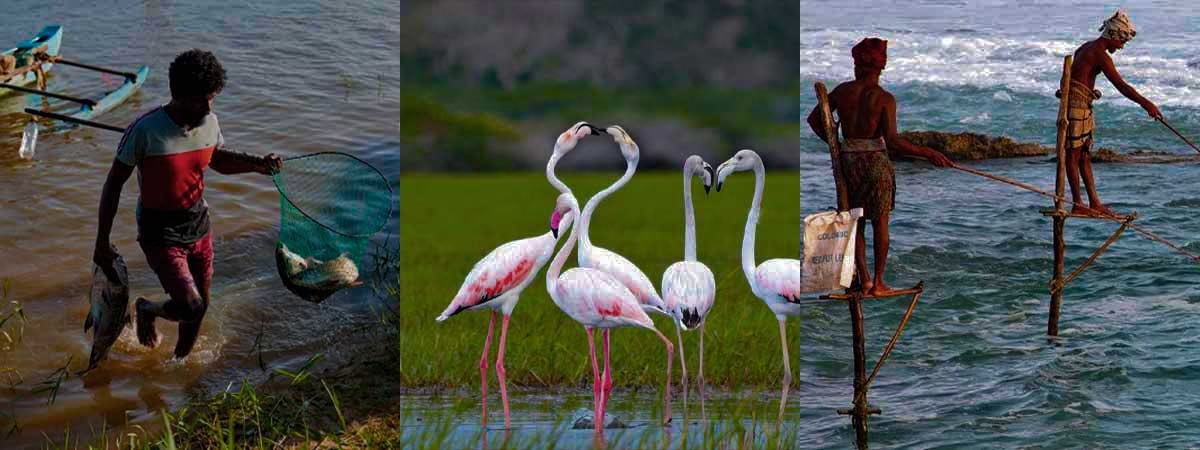
Fishing villages along the southern coast reflect traditions shaped by the ocean for generations. Boats, nets, and early-morning markets form part of a daily routine that has changed little over time.
These communities demonstrate the close relationship between environment and livelihood. Religion, festivals, and family life often revolve around the sea and seasonal fishing cycles.
Experiencing village life offers travelers a deeper understanding of Sri Lanka’s coastal identity beyond beaches and resorts.
Day Description
Morning begins with a visit to a fishing village where boats rest along the shore and fishermen prepare nets. The atmosphere is lively yet grounded in routine.
Later, time is spent near a lagoon where birdlife and still water create a peaceful contrast to the open ocean.
The day balances observation, interaction, and relaxation.
Highlights
Activities
Hotel Options
Destination Significance — Marine Ecosystems
Sri Lanka’s southern waters are home to whales, dolphins, and coral ecosystems. These marine environments are part of the island’s biodiversity and coastal economy.
Responsible wildlife observation supports conservation awareness while allowing travelers to witness the scale and beauty of the Indian Ocean.
Day Description
An early ocean excursion offers the possibility of encountering marine life in open waters. The experience emphasizes patience, observation, and respect for nature.
The afternoon returns to stillness by the sea.
Highlights
Activities
Hotel Options
colonial powers to the island. Cinnamon cultivation continues today as both livelihood and tradition.
Day Description
Visiting a cinnamon garden reveals the craftsmanship behind this historic spice. The rest of the day remains relaxed by the coast.
Highlights
Activities
Hotel Options
Destination Significance — The Value of Slow Coastal Time
The southern coastline is not only about places to visit — it is about learning the rhythm of the ocean. For generations, life here has followed the tides, the wind, and the monsoon seasons. Fishing, farming, and family life all move in harmony with nature, creating a lifestyle that values patience and balance.
Including a day of leisure along the coast reflects the philosophy of slow travel that defines Sri Lanka. The sea is not simply scenery; it is part of daily existence. Villagers gather on beaches at sunset, fishermen prepare nets in the evening, and children play along the shoreline. These quiet patterns reveal the deeper identity of coastal Sri Lanka.
This day allows travelers to experience the coast not as visitors moving through it, but as temporary participants in its calm rhythm.
Day Description
The morning begins slowly, with the sound of waves replacing alarm clocks. Soft light spreads across the ocean, and the day unfolds without urgency. A walk along the beach reveals fishermen returning from the night’s work, while small cafés prepare fresh tea and tropical fruit.
Midday is ideal for rest beneath palm trees or beside the pool. The warmth of the southern coast encourages stillness, allowing travelers to absorb the environment without distraction.
As evening approaches, the coastline becomes lively again. The changing colors of the sky over the ocean create one of the most memorable moments of the journey — simple, quiet, and deeply restorative.
Highlights
Activities
Hotel Options
Destination Significance — Lagoons and Southern Biodiversity
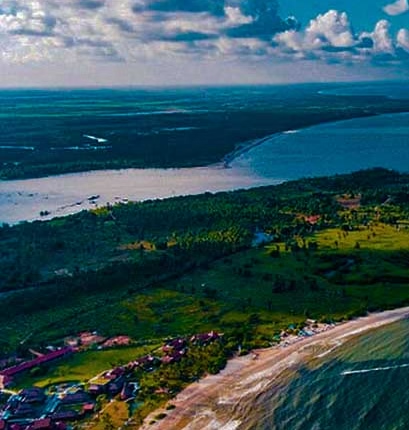
Tangalle represents a quieter side of Sri Lanka’s southern coast, where wide beaches meet lagoons and wetlands. These ecosystems support birdlife, mangroves, and small fishing communities that depend on both sea and inland waters.
Historically, lagoons served as natural harbors and food sources for coastal settlements. Even today, they remain essential to local livelihoods. The meeting point of saltwater and freshwater creates rich biodiversity and peaceful scenery.
This region offers a deeper understanding of how coastal communities live between ocean and land.
Day Description
The drive toward Tangalle reveals increasingly open beaches and fewer crowds. The coastline feels wider and quieter, with long stretches of sand framed by coconut trees.
A lagoon excursion introduces a different environment — still water, mangrove roots, and bird calls echoing across the surface. The contrast between ocean waves and lagoon calm highlights the diversity of the southern coast.
Evening returns to the beach, where the horizon stretches uninterrupted across the Indian Ocean.
Highlights
Activities
Hotel Options
Destination Significance — Where Coast Meets Wildlife
Near the southern coast lies Yala’s protected wilderness, where dry forests, lagoons, and open plains meet the sea. These ecosystems support elephants, birds, reptiles, and the famous Sri Lankan leopard.
For centuries, communities have lived alongside wildlife in this region, creating a delicate balance between conservation and livelihood. National parks like Yala protect biodiversity while allowing visitors to witness animals in their natural habitat.
Including wildlife within a coastal journey reflects Sri Lanka’s unique geography — where ocean and wilderness exist within short distance of each other.
Day Description
The landscape changes as the journey moves inland from the coast toward dry-zone wilderness. Vegetation becomes sparse, and lagoons appear between forest patches.
An afternoon safari reveals the rhythms of the natural environment — elephants crossing dusty roads, birds gathering near water, and deer moving through open grassland.
As the sun sets, the wilderness becomes quiet again, mirroring the calm of the ocean experienced earlier in the journey.
Highlights
Activities
Hotel Options
Destination Significance — Completing the Coastal Circle
Returning along the southern coastline brings the journey full circle. Coastal towns, fishing harbors, and roadside markets reflect everyday life shaped by the sea.
This return journey allows travelers to see the coast with new understanding — not just as scenery, but as a living cultural landscape shaped by history, trade, and nature.
The road north becomes a time for reflection on the experiences of the past days.
Day Description
The drive follows the shoreline, with occasional stops where the ocean appears beside the road. Small temples, fishing boats, and roadside fruit stalls mark the route.
By afternoon, the pace slows again near the western coastline, offering time to rest and prepare for departure.
The journey feels complete, with the ocean still present as a quiet companion.
Highlights
Activities
Hotel Options
Destination Significance — A Gentle Conclusion
Ending the journey near the coast allows travelers to leave Sri Lanka with the same calm atmosphere that welcomed them. The southern coastline represents relaxation, culture, and nature in balance.
Departure becomes not just a logistical moment, but a quiet conclusion to a journey shaped by ocean landscapes and coastal life.
Day Description
Morning remains unhurried, with time to enjoy breakfast and the final moments of tropical air before departure.
The transfer to the airport is short and smooth, marking the end of the Southern Coast Escape Journey.
Highlights
Activities
Hotel Options