Folk Music and Dance – Experience the Heartbeat of Sri Lanka’s Cultural Soul
● Introduction Sri Lanka’s folk music and dance traditions offer one of the most vibrant windows into the...



Introduction
Sri Lanka is one of Asia’s most extraordinary birdwatching destinations, not because of its size, but because of its ecological richness within a compact island. Within a few hours of travel, landscapes shift from lowland rainforests to cloud forests, from ancient irrigation lakes to coastal lagoons. These environments support over 430 recorded bird species, including more than 30 endemic species found nowhere else in the world.
This 14-day birdwatching expedition is designed as a slow, immersive journey across Sri Lanka’s ecosystems. Rather than focusing only on species lists, the experience reveals how landscapes, history, and conservation intertwine. Ancient reservoirs built by early kingdoms now sustain migratory birds, rainforests protect endemic species, and wetlands along the coast serve as seasonal sanctuaries for international bird populations.
Traveling with experienced naturalist guides, staying close to nature, and moving at a thoughtful pace, this journey allows travelers to truly connect with Sri Lanka’s biodiversity. It is not simply a birdwatching trip — it is an exploration of the island’s living ecosystems.
Day Description
Distance: ~20 km | 30 min
After arrival, the journey begins gently along the lagoons and wetlands of Negombo. This coastal environment offers an immediate introduction to Sri Lanka’s birdlife and ecosystems without long travel.
As evening approaches, the lagoon reflects soft golden light while fishermen return in traditional boats. Herons stand motionless along the water’s edge, kingfishers dart between mangroves, and flocks of egrets gather in the distance. The calm surroundings help travelers transition into the slower rhythm of nature-based exploration.
Destination Significance — Negombo Lagoon
Negombo’s lagoon ecosystem represents the delicate balance between coastal livelihoods and biodiversity. Mangroves protect marine life while providing habitat for numerous bird species
Activities
– Lagoon birdwatching walk
– Introduction to Sri Lanka bird habitats
Highlights
– First sightings of coastal bird species
– Relaxed start to the expedition
Hotel Options
Jetwing Blue
Heritance Negombo
Day Description
Distance: ~90 km | 2.5 hrs
Travel inland toward Kitulgala, where dense rainforest replaces coastal plains. The air becomes cooler and filled with the sounds of insects and birds hidden within thick vegetation.
Walking through shaded forest trails, travelers begin to encounter Sri Lanka’s endemic bird species. Observation becomes quieter and more attentive, guided by the subtle movements and calls within the canopy.
Destination Significance — Kitulgala Forest Reserve
Kitulgala’s rainforest environment provides one of the best opportunities to observe endemic species in their natural habitat, particularly along riverine forest corridors.
Activities
– Guided rainforest birdwalk
– Riverbank observation
Highlights
– First endemic bird sightings
– Immersion in tropical forest environment
Hotel Options
Palmstone Retreat
Borderlands Eco Lodge
Day Description
The morning begins early, when the forest is most alive. Mixed-species feeding flocks move through the canopy, creating a dynamic and fascinating birdwatching experience.
Between birding sessions, travelers enjoy the stillness of the rainforest — the sound of flowing water, distant calls of hornbills, and filtered sunlight through tall trees.
Activities
– Early morning birdwatching
– Forest trail exploration
Highlights
– Endemic forest species observation
– Deep rainforest immersion
Hotel Options
Palmstone Retreat
Day Description
Distance: ~150 km | 4 hrs
The journey continues toward Sri Lanka’s most famous rainforest — Sinharaja. As the road narrows and forest thickens, the sense of entering a protected wilderness becomes unmistakable.
Destination Significance — Sinharaja Rainforest
Sinharaja is a UNESCO-listed primary rainforest and biodiversity hotspot. It holds the highest concentration of endemic birds on the island and represents one of the last remaining lowland rainforests in South Asia.
Highlights
Activities
Hotel Options
Day Description
A full day is dedicated to exploring Sinharaja’s forest interior. Birdwatching here requires patience and quiet observation, often rewarded by sightings of endemic species moving together in feeding flocks.
The experience is immersive — humidity, forest sounds, and dense greenery create a feeling of stepping into a living ecosystem unchanged for centuries.
Activities
– Full-day birdwatching
Highlights
– Multiple endemic bird sightings
– Primary rainforest experience
Day Description
Distance: ~120 km | 3 hrs
Leaving the dense canopy of Sinharaja behind, the landscape gradually opens into the dry-zone plains of southern Sri Lanka. The transition is striking — misty rainforest gives way to open grasslands, scattered trees, and large reservoirs reflecting the wide sky.
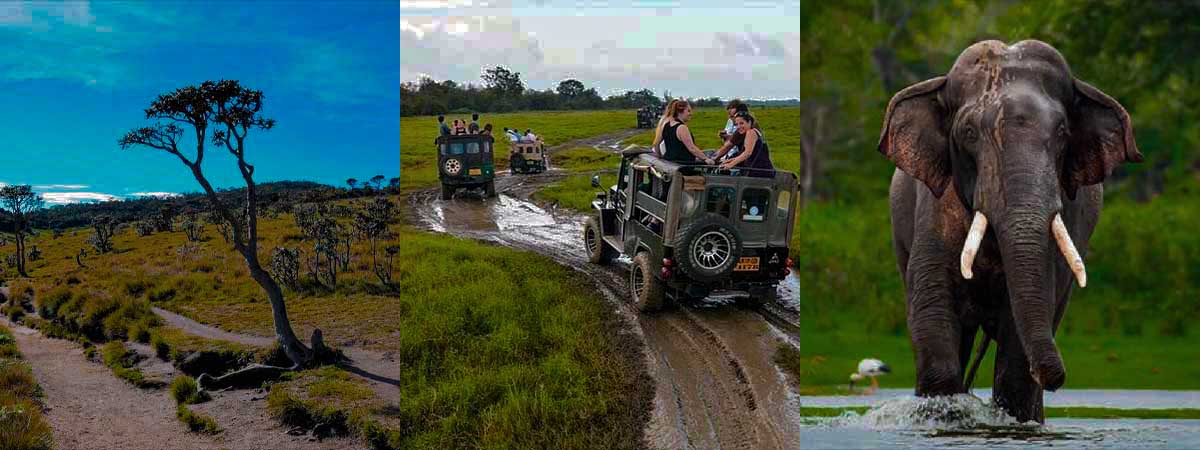
Udawalawe’s environment feels expansive and calm. The reservoir attracts both wildlife and birds, creating a dynamic ecosystem where water meets grassland. In the late afternoon, the safari begins gently, focusing on observation rather than movement. Raptors circle above the plains, bee-eaters perch on dry branches, and storks gather near the water’s edge.
The stillness of the landscape contrasts beautifully with the intensity of the rainforest experienced earlier in the journey.
Destination Significance — Udawalawe National Park
Udawalawe protects one of Sri Lanka’s most important dry-zone ecosystems. The reservoir sustains birdlife throughout the year, while the surrounding grasslands provide habitat for raptors, waterbirds, and migratory species.
Activities
– Scenic transfer from rainforest to dry zone
– Evening safari in Udawalawe
Highlights
– Transition between two major ecosystems
– Wetland and grassland bird habitats
– Calm safari environment
Hotel Options
Kalu’s Hideaway
Grand Udawalawe Safari Resort
Athgira River Camp
Day Description
Distance: ~90 km | 2 hrs
The journey continues toward Sri Lanka’s southeastern coastline, where Bundala’s wetlands form one of the island’s most important bird habitats. The terrain becomes flatter, salt-tolerant vegetation appears, and lagoons stretch toward the horizon.
Bundala feels open and quiet, defined by water, wind, and migratory movement. Flamingos sometimes gather in shallow lagoons, while pelicans glide low across the water’s surface. The environment is both delicate and powerful, shaped by seasonal migration patterns.
Destination Significance — Bundala National Park
Bundala is Sri Lanka’s first Ramsar Wetland Site and a critical stop for migratory birds traveling along international flyways.
Activities
– Wetland safari
– Lagoon bird observation
Highlights
– Migratory bird habitats
– Coastal wetland ecosystems
– Expansive open landscapes
Hotel Options
Jetwing Yala
Cinnamon Wild Yala
Day Description
Distance: ~110 km | 3 hrs
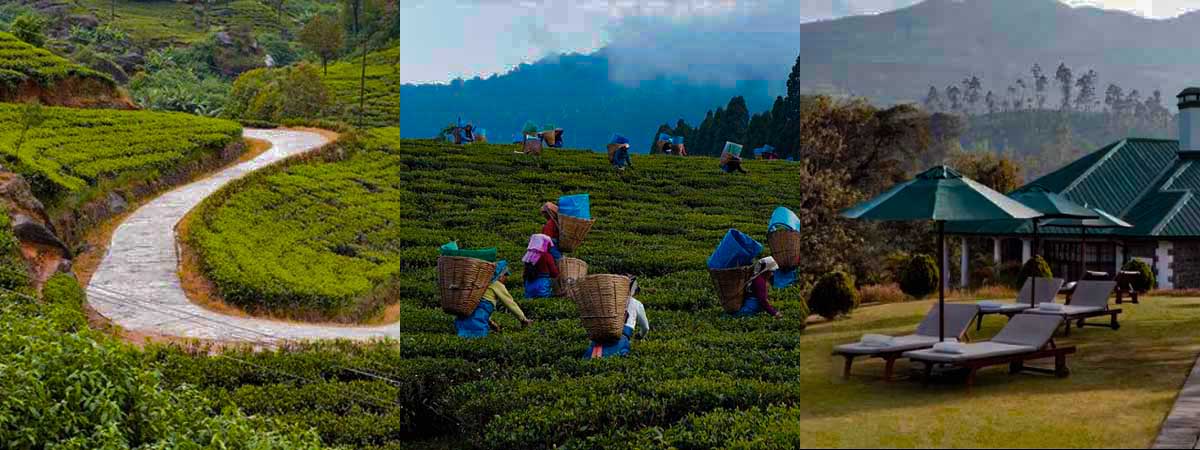
The road begins to climb once again into Sri Lanka’s central highlands. Dry plains slowly transform into cooler mountain air, forest patches, and tea-covered slopes.
Ella offers a quieter birdwatching environment. Mist drifts across hillsides, and forest edges host a variety of highland bird species. The change in climate and scenery provides a refreshing contrast to the wetlands of the previous days.
Destination Significance — Ella Highlands
Ella’s mid-elevation forests and tea-country ecosystems support species adapted to cooler climates and forest-edge habitats.
Activities
– Scenic hill-country drive
– Evening birdwalk
Highlights
– Cool mountain environment
– Forest-edge bird habitats
– Tea-country scenery
Hotel Options
98 Acres Resort
EKHO Ella
Mountain Heavens
Day Description
Distance: ~60 km | 2 hrs
An early morning visit to Horton Plains reveals a completely different ecosystem — high-altitude grasslands and cloud forest. The air is crisp, and visibility stretches across valleys when the mist clears.
Walking through the plains, birdwatching becomes quieter and more focused. Species here are adapted to cooler temperatures and open landscapes. The environment feels remote and ancient, shaped by altitude and weather.
Destination Significance — Horton Plains
This UNESCO-listed highland plateau protects one of Sri Lanka’s rare montane ecosystems and its unique birdlife.
Activities
– Guided nature trail walk
Highlights
– Highland endemic species
– Cloud forest ecosystem
– Panoramic plateau landscapes
Hotel Options
Grand Hotel Nuwara Eliya
Jetwing St. Andrew’s
Day Description
Distance: ~80 km | 3 hrs
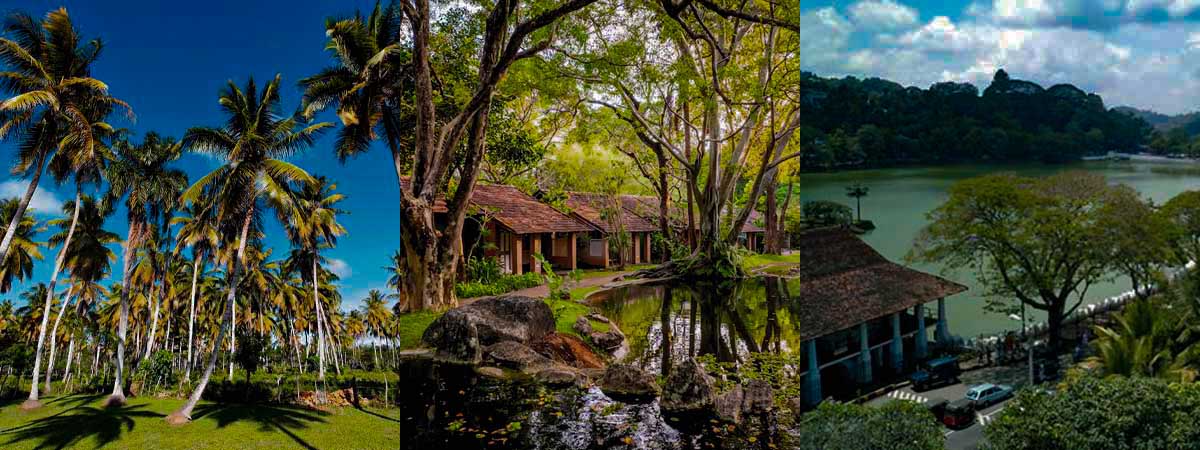
Descending from the highlands, the journey reaches Kandy — Sri Lanka’s last royal capital. The forests surrounding the city provide opportunities for mid-elevation birdwatching.
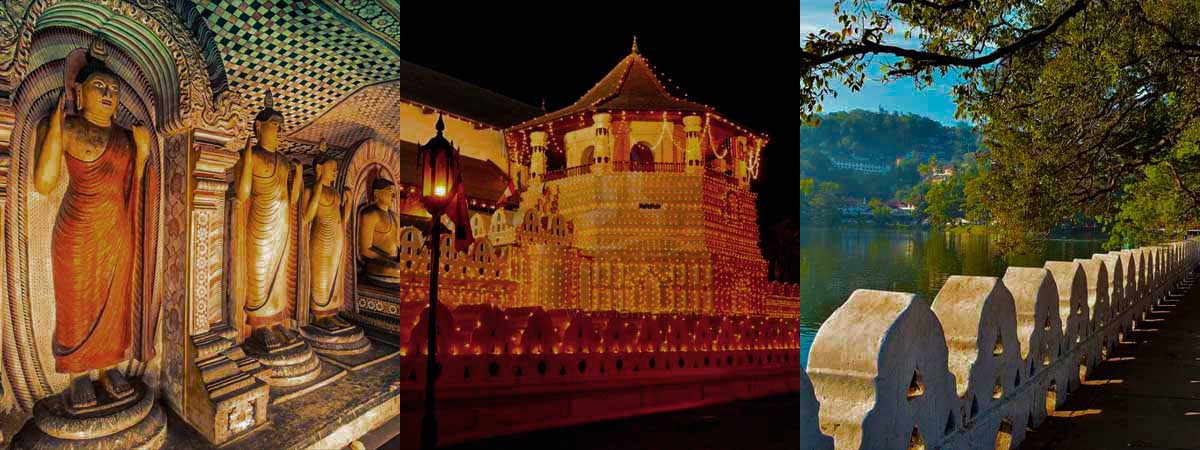
The lake at Kandy’s center reflects both history and daily life, where monks, vendors, and families move through the city in a calm rhythm.
Destination Significance — Kandy Forest Region
Kandy’s surrounding forests create a transition zone between mountain and lowland ecosystems.
Activities
– Forest birdwatching walk
Highlights
– Mid-elevation bird habitats
– Cultural highland city
Hotel Options
Fox Kandy
Theva Residency
Day Description
Distance: ~90 km | 3 hrs
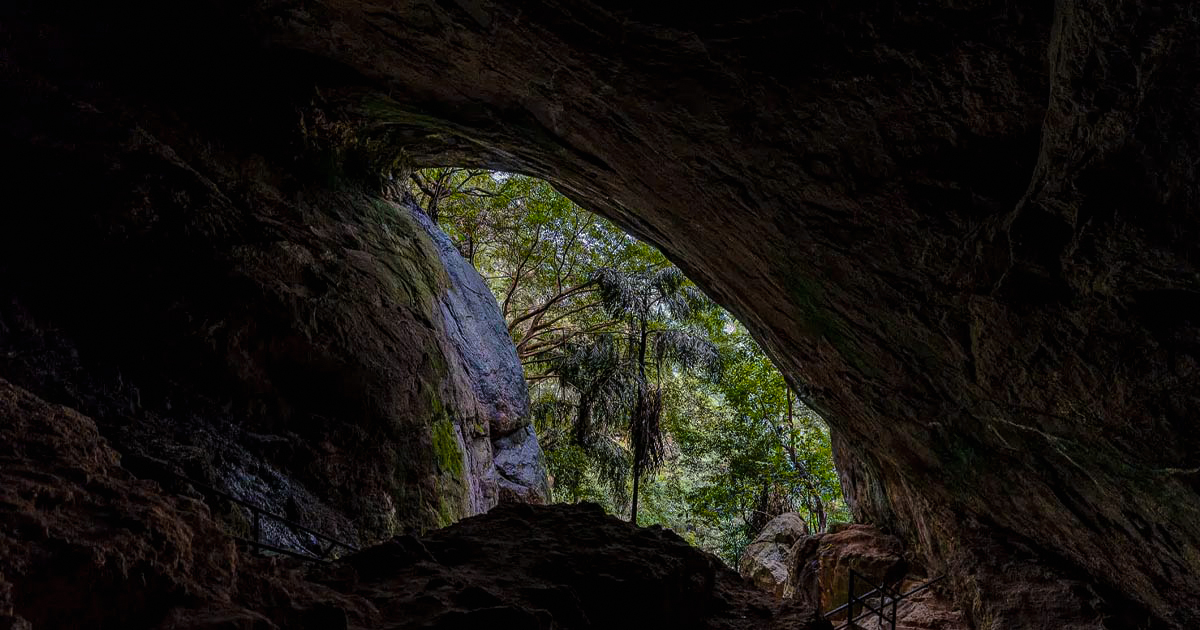
The road leads back into Sri Lanka’s ancient dry-zone plains, where large reservoirs built by early civilizations now serve as bird habitats.
Birdwatching here blends nature with history — waterbirds move across lakes that were engineered over a thousand years ago.
Destination Significance — Cultural Triangle Reservoirs
Ancient irrigation systems continue to support biodiversity and rural life.
Activities
– Reservoir birdwatching
Highlights
– Ancient water systems as ecosystems
– Dry-zone birdlife
Hotel Options
Jetwing Vil Uyana
Aliya Resort & Spa
Day Description
Distance: Local travel
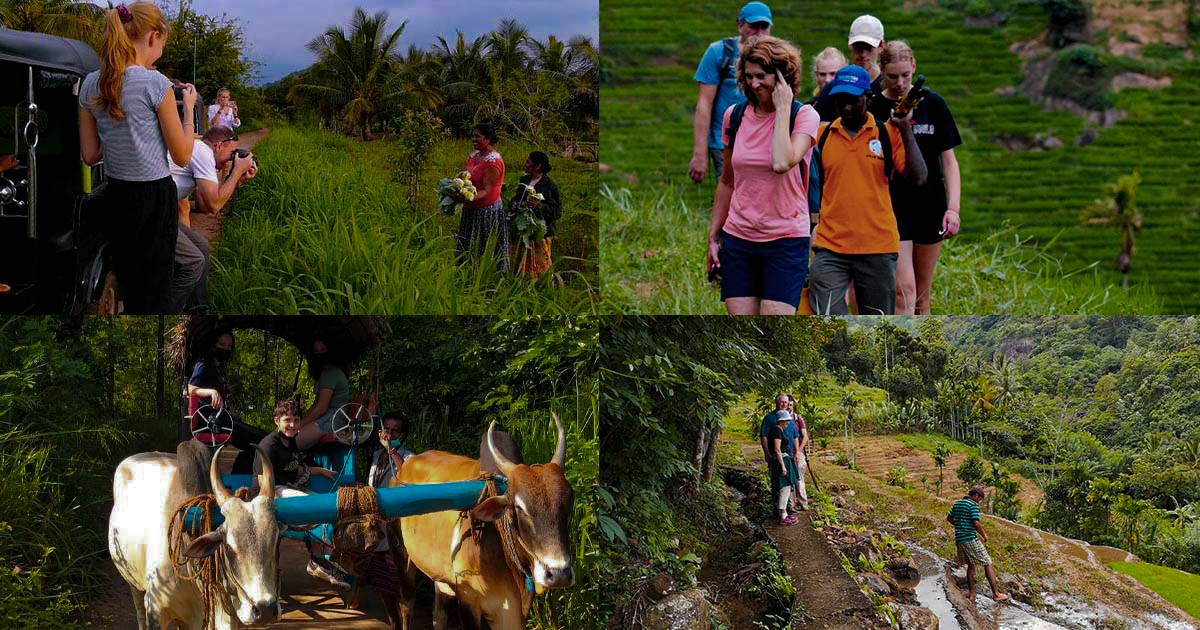
The morning begins quietly around the lakes and forest edges of the Cultural Triangle. As the sun rises over ancient reservoirs, the landscape feels timeless — still waters reflecting trees, farmers beginning their day in distant fields, and birds moving across the calm surface of the lakes.
Birdwatching here carries a different rhythm from rainforest or coastal habitats. Open skies, scattered woodland, and irrigation lakes create a layered environment where waterbirds, raptors, and dry-zone forest species coexist. The slow pace of the morning allows travelers to observe subtle movements — kingfishers diving into the water, eagles circling above ancient trees, and flocks moving between forest patches.
In the afternoon, the journey continues through rural countryside toward Sri Lanka’s northwest forests, where the landscape becomes quieter and less visited. The road passes small villages, farmland, and dry-zone woodland before reaching Wilpattu’s forest boundary.
By evening, the forest atmosphere settles in — distant bird calls, rustling leaves, and the stillness that defines Sri Lanka’s largest national park.
Destination Significance — Cultural Triangle Ecosystems
The Cultural Triangle is not only an archaeological region but also an ecological one. Ancient irrigation reservoirs, built over a thousand years ago, continue to sustain wildlife, agriculture, and village life. These lakes now serve as vital bird habitats across the dry zone
Activities
– Early morning reservoir birdwatching
– Scenic transfer to Wilpattu
– Evening relaxation near forest surroundings
Highlights
– Birdlife around ancient irrigation lakes
– Transition from historic plains to forest wilderness
– Calm approach to Wilpattu National Park
Hotel Options
Claughton Wild
Big Game Wilpattu
The Backwaters Lodge
Day Description
Distance: Local safari
Wilpattu offers a completely different wildlife atmosphere from Sri Lanka’s southern parks. The forest feels deeper, quieter, and less traveled. Instead of open grasslands, dense woodland surrounds natural lakes known locally as “villus.”
The safari begins early, when the forest is most alive. Mist sometimes lingers above the water, and birdlife gathers along the lake edges. Storks stand motionless in shallow water, eagles perch on tall branches, and forest birds move through the canopy.
Wilpattu’s birdwatching experience is defined by patience and stillness. The park rewards those who observe carefully rather than those who move quickly. The sense of wilderness is strong here — a reminder that Sri Lanka’s forests remain rich and protected.
In the afternoon, a second safari deepens the experience, allowing time to understand how water, forest, and wildlife interact in this ecosystem.
Destination Significance — Wilpattu National Park
Wilpattu is Sri Lanka’s largest national park and one of its oldest protected areas. The natural lakes that define the park create unique wetland habitats within forest ecosystems, supporting diverse bird populations year-round.

Activities
– Morning safari drive
– Afternoon safari drive
Highlights
– Birdwatching around natural forest lakes
– Quiet, less-visited wildlife environment
– Deep dry-zone forest ecosystem
Hotel Options
Claughton Wild
Big Game Wilpattu
Leopard Trails Wilpattu Camp
Distance: ~170 km | 4–4.5 hrs
After breakfast, the journey returns toward Colombo through Sri Lanka’s northwest countryside. The drive passes coconut plantations, small fishing villages, and quiet lagoons where birdlife continues to appear along the roadside.
As the journey nears the coast, the environment gradually shifts from forest wilderness back to the rhythms of daily life. Markets become busier, roads wider, and the landscape more urban — a gentle transition from nature back to the modern world.
The expedition concludes with a sense of completeness: from rainforests and wetlands to highlands and ancient reservoirs, the journey has crossed Sri Lanka’s major ecosystems and bird habitats.
Destination Significance — The Journey’s End
Returning to Colombo marks the closing of a circular exploration across the island. The journey reveals how closely Sri Lanka’s biodiversity is tied to its landscapes, water systems, and rural life.

Activities
– Scenic return drive
– Airport transfer
Highlights
– Completion of island-wide birdwatching expedition
– Final views of Sri Lanka’s coastal plains
– Calm conclusion to a nature-focused journey