Traditional Clay Pot Meals – A Deep Dive Into Sri Lanka’s Ancient Cooking Heritage
● Introduction Traditional clay pot meals represent one of the most authentic culinary traditions in Sri Lanka. For...

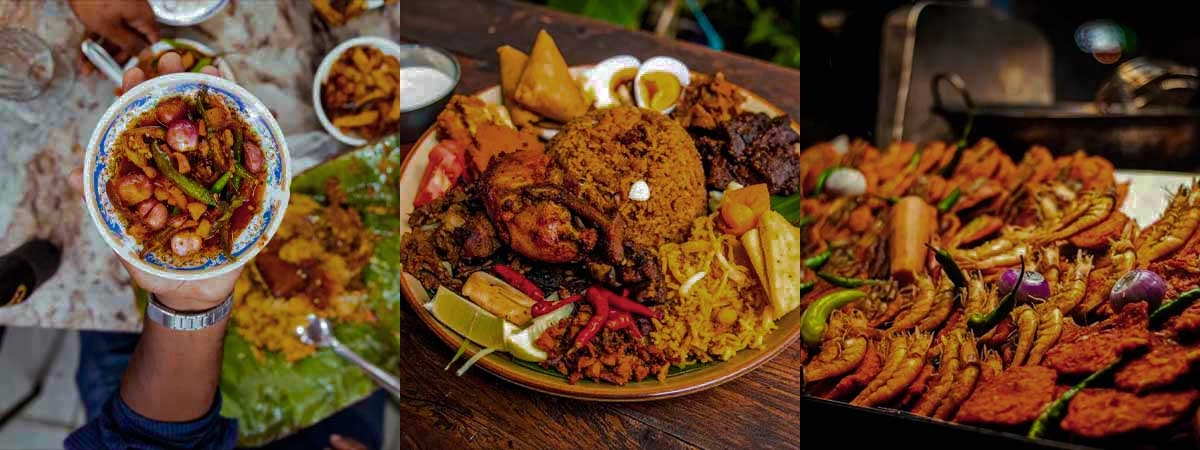
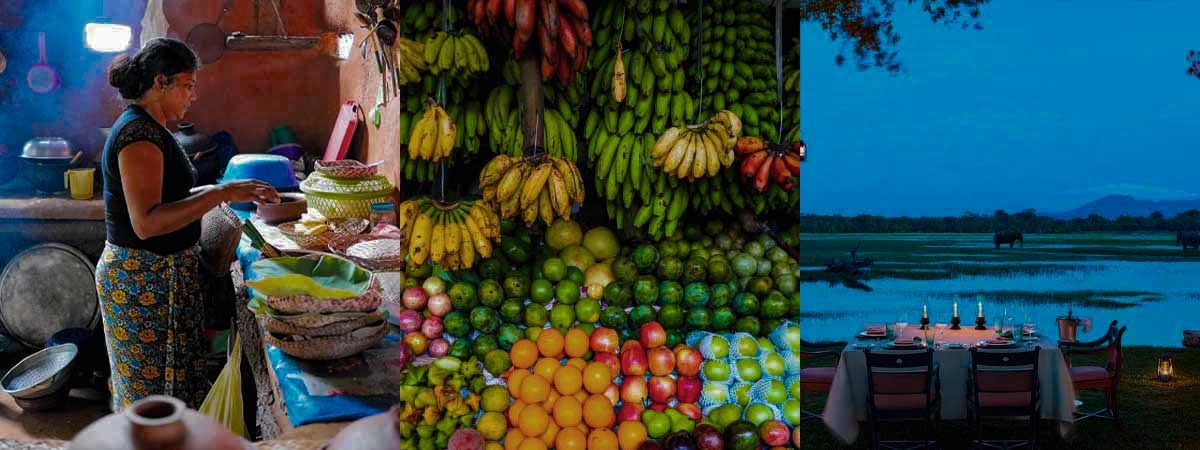
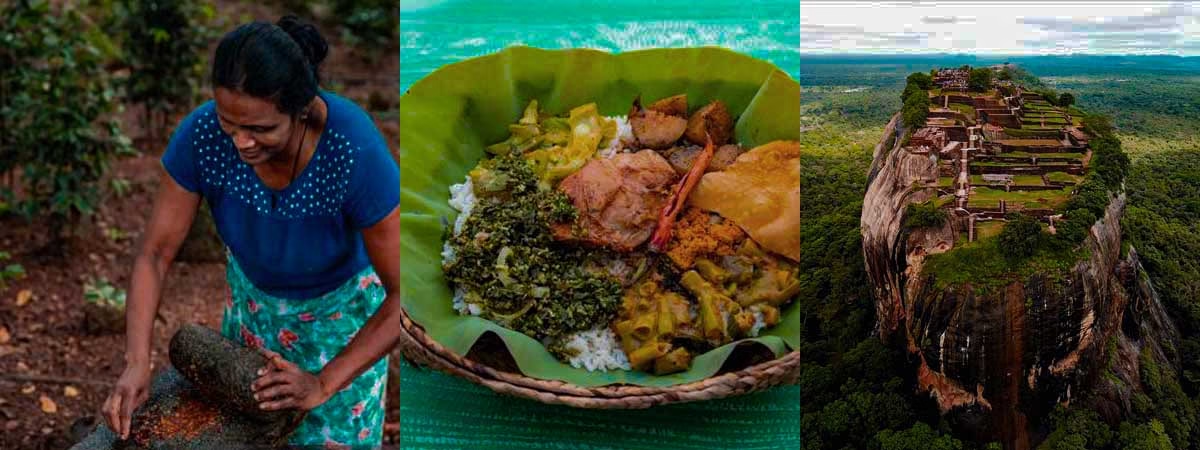
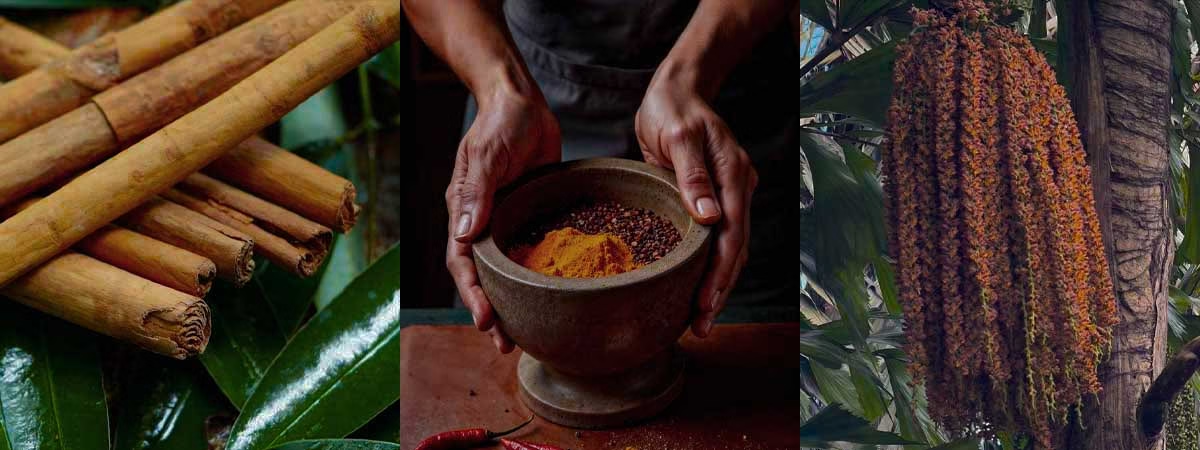
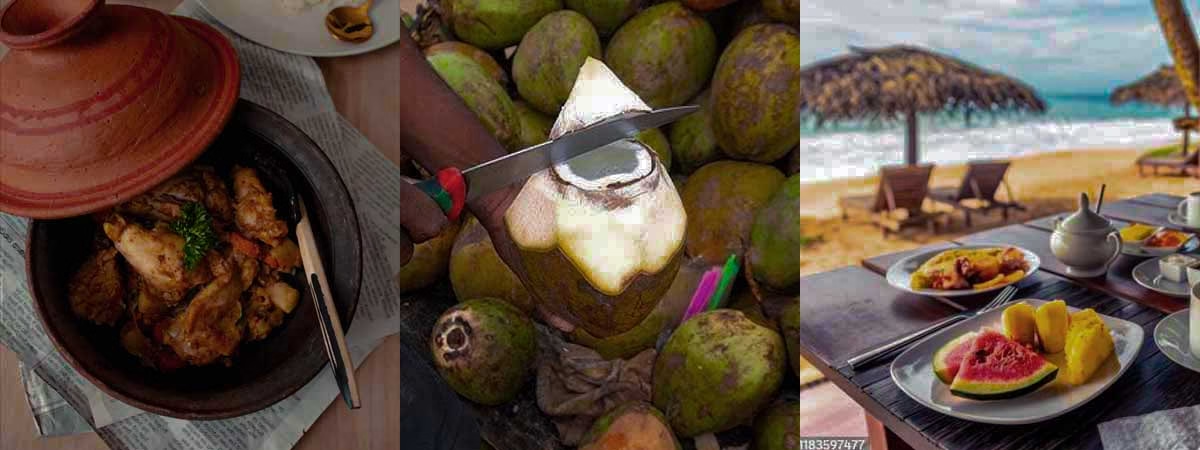
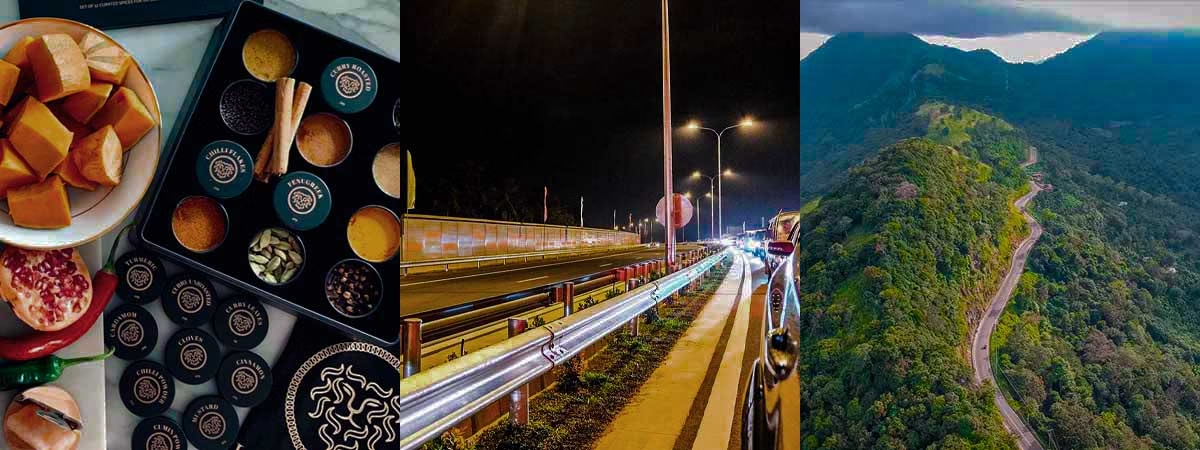
Sri Lankan cuisine is inseparable from the island’s landscapes, communities, and traditions. Every region cooks differently — shaped by climate, harvest cycles, religious customs, and centuries of trade across the Indian Ocean. Food is not simply prepared; it is cultivated, shared, and remembered.
This culinary journey moves slowly across Sri Lanka, allowing travelers to experience how cooking changes from coast to countryside, from spice gardens to tea estates, and from village kitchens to fishing communities. Along the way, meals become moments of cultural exchange — guided by farmers, home cooks, and families who preserve recipes passed down through generations.
Designed as a thoughtful and immersive exploration rather than a food tour, this itinerary blends cooking experiences with cultural landscapes, mindful travel, and meaningful human connection.
Day Description
Arrival in Colombo introduces travelers to Sri Lanka’s multicultural culinary identity. The city’s coastal air, colonial streets, and vibrant neighborhoods create a gentle beginning to the journey. After settling into the hotel, the evening unfolds slowly with a traditional Sri Lankan dinner that introduces foundational flavors — rice, curry, coconut, and spice.
The experience is intentionally unhurried. Colombo’s food culture reflects centuries of trade, migration, and community life, offering travelers a first taste of how Sri Lankan cuisine blends influences while remaining deeply local.
This calm arrival sets the tone for the days ahead — a journey shaped by flavor, place, and people.
Destination Significance — Colombo
Colombo represents Sri Lanka’s culinary crossroads. Arab traders, Portuguese settlers, Dutch merchants, British administrators, and local communities all contributed to the city’s evolving food culture. Markets, bakeries, seafood kitchens, and family-run restaurants reflect this layered identity.
Beginning the journey here helps travelers understand Sri Lankan cuisine as both historical and contemporary. The coastal setting introduces key ingredients — coconut, seafood, rice, and spice — that define cooking across the island.
Colombo serves as the gateway to Sri Lanka’s culinary story.
Highlights
Activities
Hotel Options
Day Description
Morning begins at a lively local market filled with tropical fruits, vegetables, herbs, and spices. Vendors greet regular customers by name, and the rhythm of daily shopping reveals how Sri Lankan meals begin with fresh, seasonal ingredients.
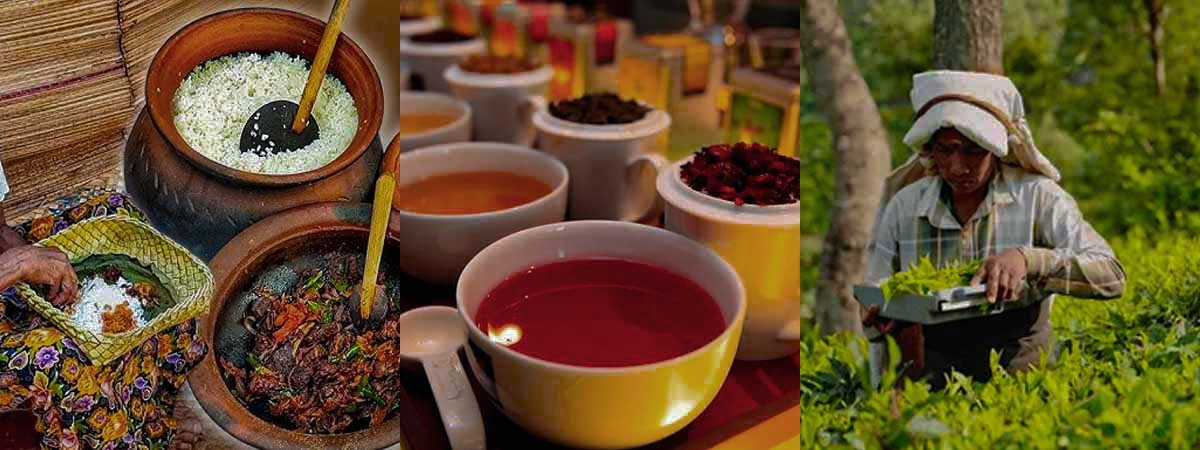
Later, a hands-on cooking session introduces traditional techniques — grinding spices, preparing coconut milk, and cooking curries slowly in clay pots. The kitchen becomes a place of conversation, laughter, and cultural exchange.
Sharing the meal together transforms the cooking session into a meaningful cultural experience rather than a lesson.
Destination Significance — Markets & Home Kitchens
Markets remain central to Sri Lankan life, reflecting agricultural traditions and community relationships. Cooking is primarily preserved in homes, where recipes evolve through memory and practice.
This experience reveals the foundation of Sri Lankan cuisine — simplicity, freshness, and balance. It also introduces the island’s natural approach to wellness through food prepared with seasonal ingredients and minimal processing.
Markets and kitchens together form the heart of Sri Lanka’s culinary identity.
Highlights
Activities
Hotel Options
Day Description
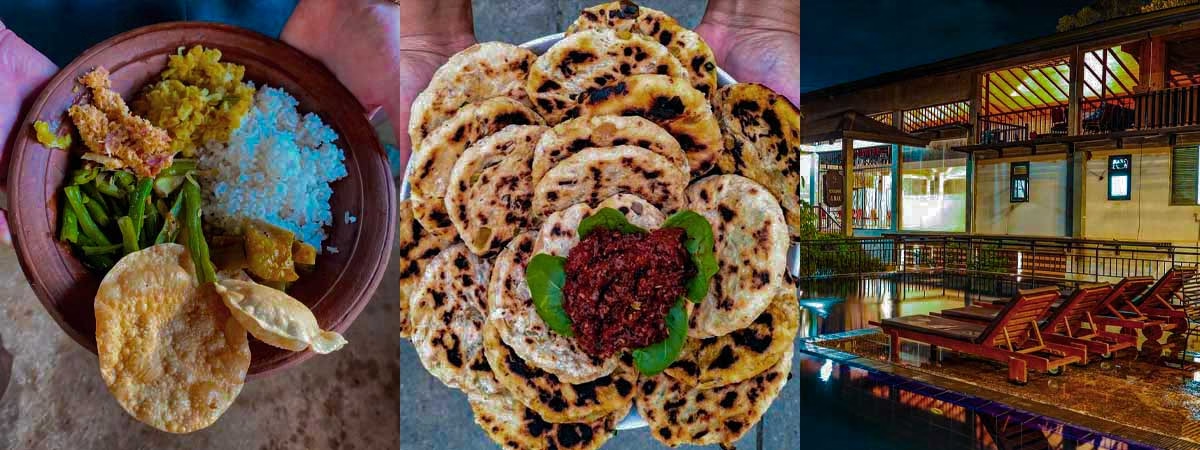
Travel inland toward Sri Lanka’s Cultural Triangle, where ancient reservoirs, farmland, and forests shape the landscape. Lunch reflects rural flavors — simple rice, vegetable curries, and freshly prepared sambols.
The slower rhythm of countryside life becomes noticeable. Meals here are closely tied to farming cycles and seasonal produce. Evening remains quiet, allowing travelers to absorb the natural surroundings.
The transition from city to village marks the beginning of Sri Lanka’s deeper culinary traditions.
Destination Significance — Cultural Triangle Food Heritage
The Cultural Triangle reflects an agricultural civilization built around irrigation and rice cultivation. Traditional farming practices still influence rural cooking, with meals prepared using locally grown vegetables, grains, and coconut.
Food here reflects sustainability, seasonality, and community life. The region preserves Sri Lanka’s oldest culinary traditions.
It is where food, land, and culture remain inseparable
Highlights
Activities
Hotel Options
Day Description
A village kitchen becomes the setting for one of the most authentic cooking experiences of the journey. Guests participate in preparing vegetables, grinding spices, and cooking over wood-fire stoves.
The pace is calm and personal. Stories of farming, family recipes, and seasonal harvests emerge naturally during preparation.
The shared meal highlights Sri Lanka’s tradition of hospitality and communal dining.
Destination Significance — Village Culinary Traditions
Village kitchens preserve Sri Lanka’s culinary heritage through practice rather than instruction. Recipes reflect harvest cycles, climate, and family tradition.
Cooking is closely connected to agriculture and community relationships. This experience reveals the simplicity and depth of Sri Lankan food culture.
Village cooking offers the most authentic understanding of Sri Lankan cuisine.
Highlights
Activities
Hotel Options
Day Description
Travel south toward Kandy, stopping at spice gardens where cinnamon, pepper, and cardamom grow naturally. The air becomes cooler as the road climbs into the hills.
Evening meals reflect this transition, with lighter dishes influenced by herbal flavors and Buddhist traditions.
The day highlights the connection between spice cultivation and Sri Lankan cuisine.
Destination Significance — Kandy & Spice Heritage
Kandy represents the spiritual and culinary heart of Sri Lanka’s spice culture. For centuries, spices shaped trade, medicine, and cooking.
Meals here reflect balance between flavor and wellness, influenced by both religion and Ayurveda.
Kandy connects Sri Lanka’s culinary traditions with its spiritual heritage.
Highlights
Activities
Hotel Options
Day Description
Cooking in a Kandyan home introduces dishes shaped by hill-country ingredients — jackfruit curry, mallum, dhal, and coconut sambol.
The experience feels intimate and relaxed, with hosts sharing stories about food traditions and daily life.
The slower pace reinforces the connection between cooking and mindfulness.
Destination Significance — Kandyan Food Culture
Kandyan cuisine reflects mountain agriculture, Buddhist traditions, and spice cultivation.
Food is simple, nourishing, and seasonal — closely tied to the natural environment.
This experience deepens understanding of Sri Lanka’s culinary diversity.
Highlights
Activities
Hotel Options
Day Description
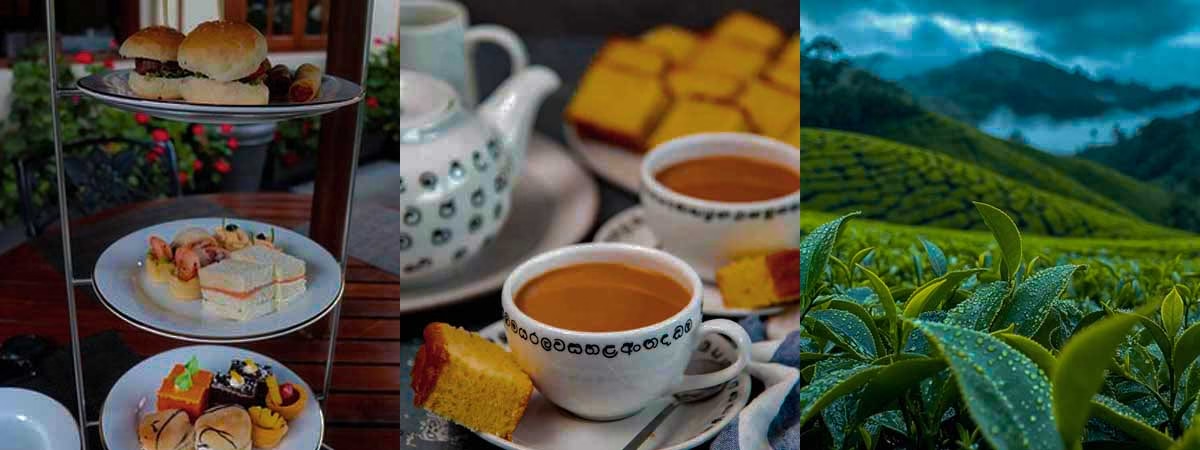
The journey into tea country reveals misty hills, vegetable gardens, and plantation landscapes. Meals here reflect cooler climates and seasonal produce.
Afternoon tea tasting introduces Sri Lanka’s most famous agricultural product.
The mountain environment encourages slow, mindful travel.
Destination Significance — Tea Country Cuisine
Hill-country cuisine reflects plantation communities and mountain farming traditions.
Vegetables, herbs, and dairy products play a larger role than coastal seafood.
Tea country offers a quieter culinary experience shaped by nature.
Highlights
Activities
Hotel Options
Day Description
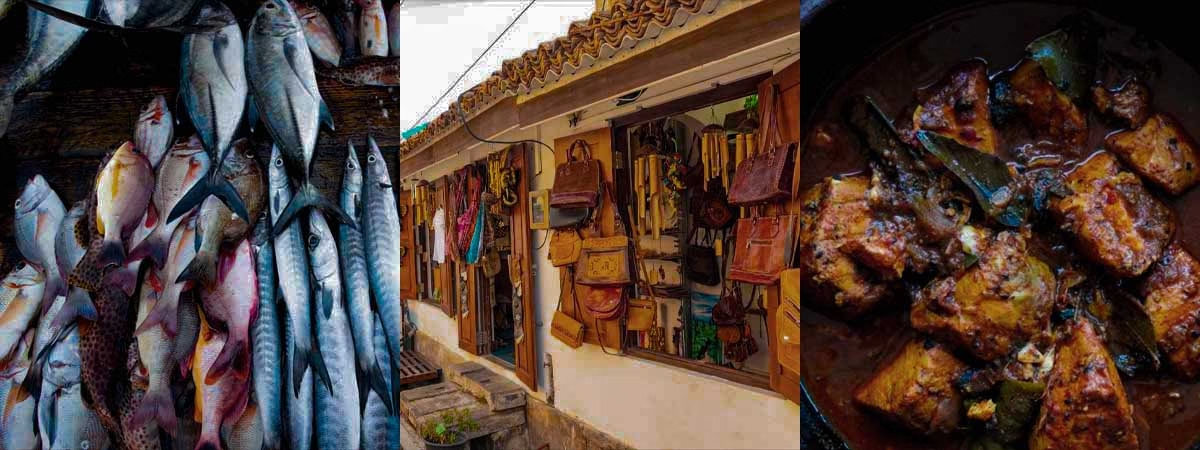
Descending toward the coast introduces seafood and coconut-rich cooking traditions. The ocean air signals another culinary transition.
Arrival in Galle brings colonial architecture and coastal flavors together.
Dinner features fresh seafood prepared with southern spices.
Destination Significance — Southern Coastal Cuisine
Southern Sri Lanka’s cuisine reflects fishing traditions and maritime trade.
Coconut milk curries, seafood, and tropical fruits define local meals.
The coast completes Sri Lanka’s culinary landscape.
Highlights
Activities
Hotel Options
Day Description
Cooking near the ocean focuses on seafood preparation and coconut-based curries. The relaxed coastal environment encourages conversation and shared learning.
The experience brings together flavors discovered throughout the journey.
Cooking becomes a reflection of the island’s landscapes.
Destination Significance — Coastal Food Traditions
Fishing communities preserve Sri Lanka’s maritime culinary heritage.
Meals reflect daily catch, tropical ingredients, and community life.
This final cooking experience connects food with place.
Highlights
Activities
Hotel Options
Day Description
A relaxed morning concludes the culinary journey. Memories of markets, kitchens, villages, and shared meals remain.
The journey ends with a deeper understanding of Sri Lanka through its food.
Destination Significance — Culinary Journey Reflection
Sri Lankan cuisine connects nature, culture, and community across the island.
Food becomes a lasting memory of travel.
Highlights
Activities