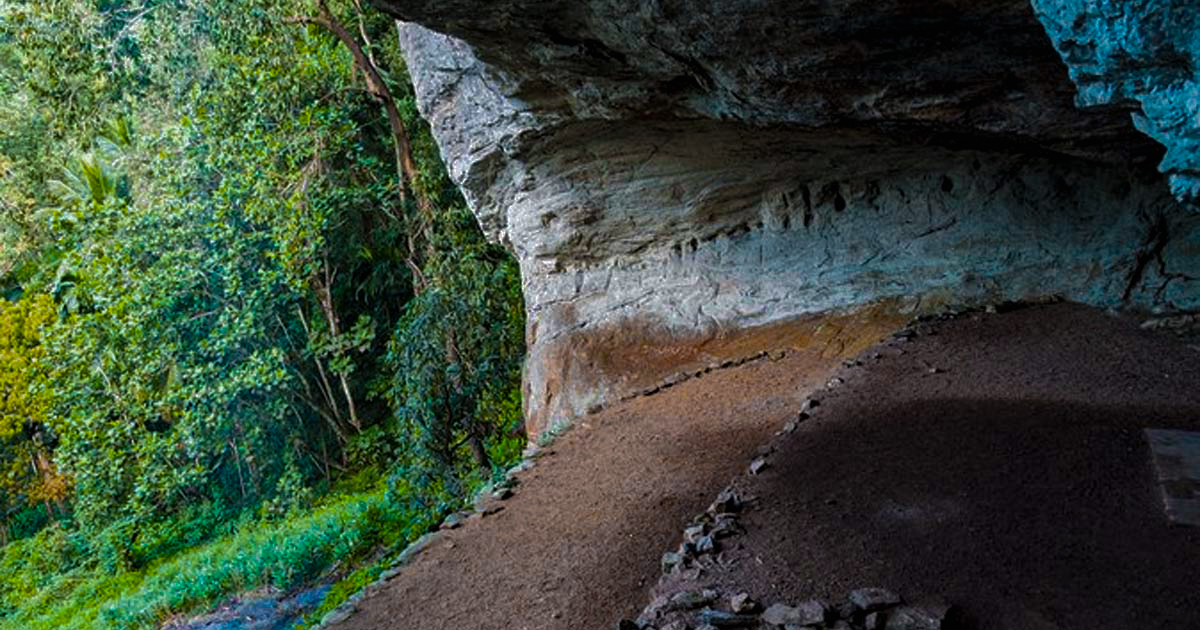
Belilena Cave – Exploring One of Sri Lanka’s Oldest Prehistoric Sites
● Introduction Belilena Cave, located near the lush hill-country town of Kitulgala, is one of the most significant...

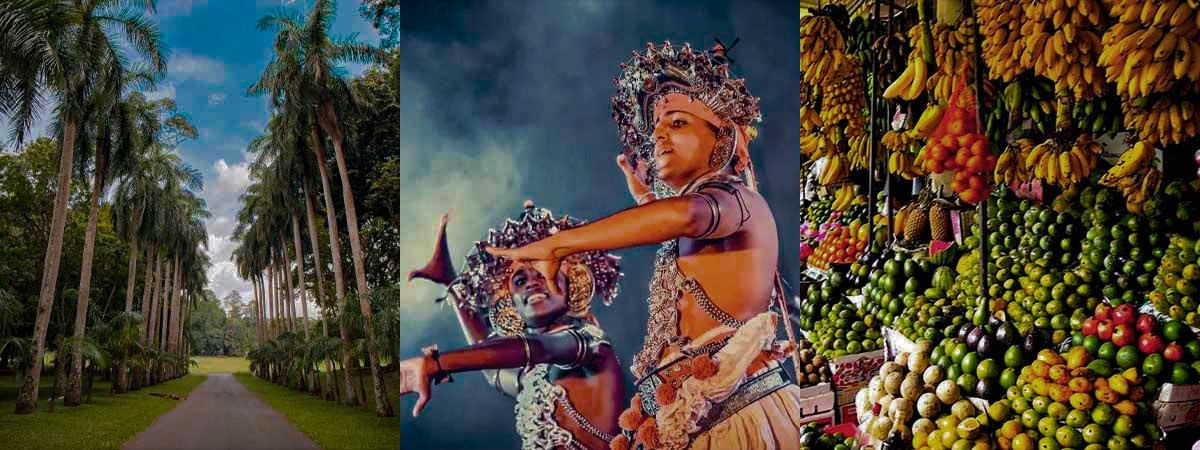
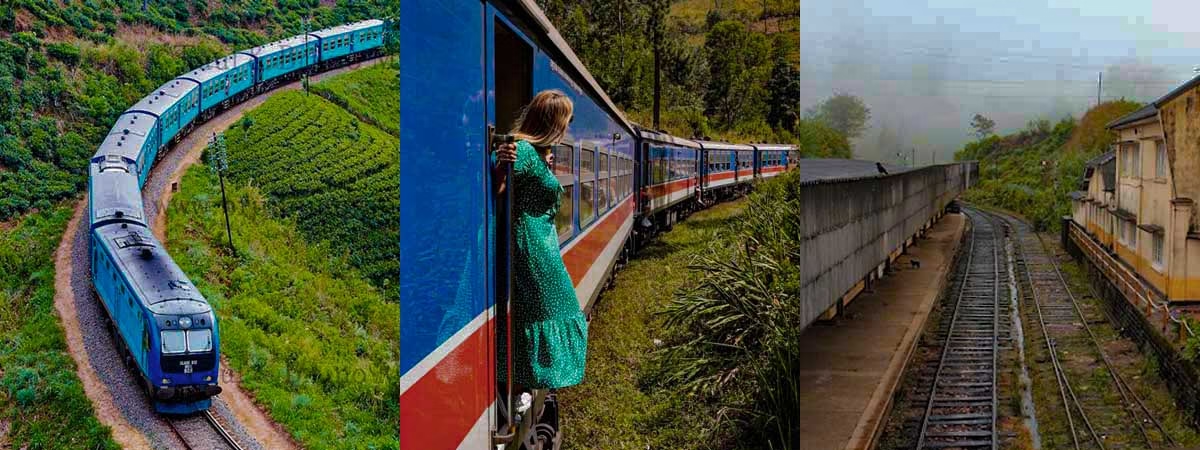
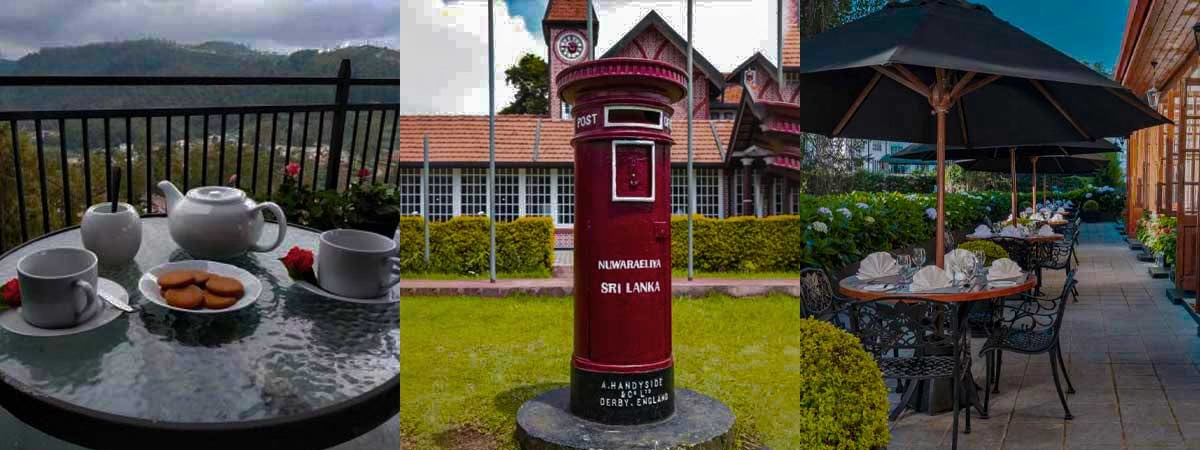
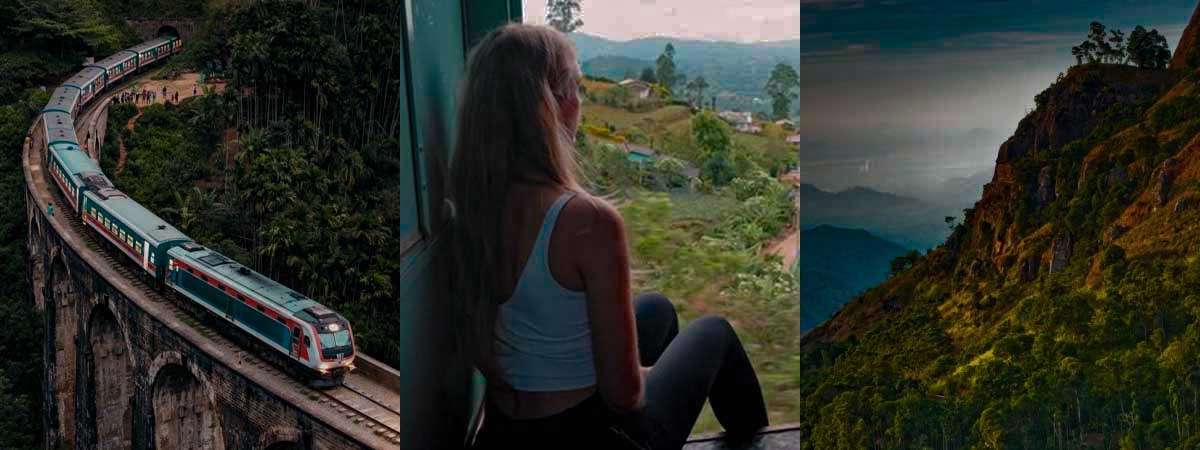
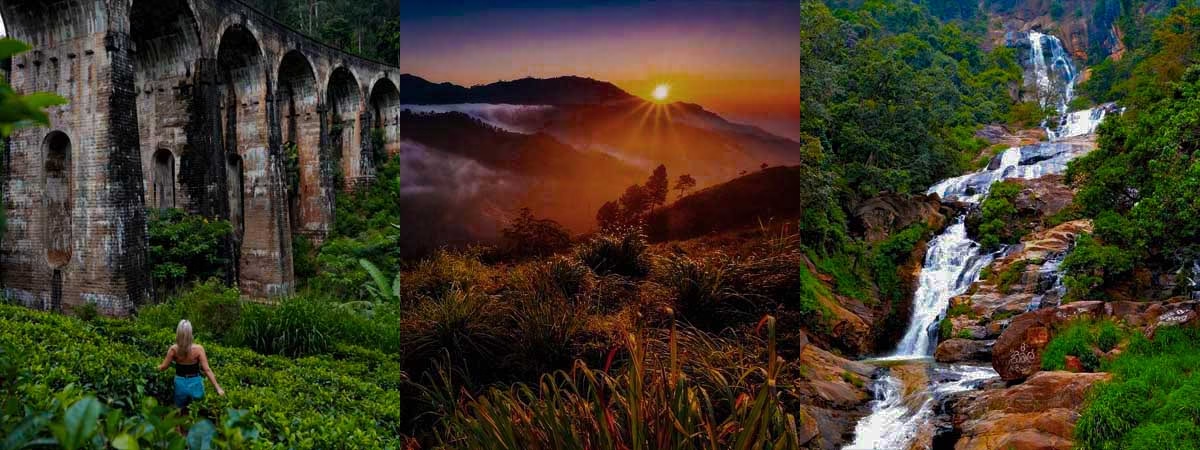
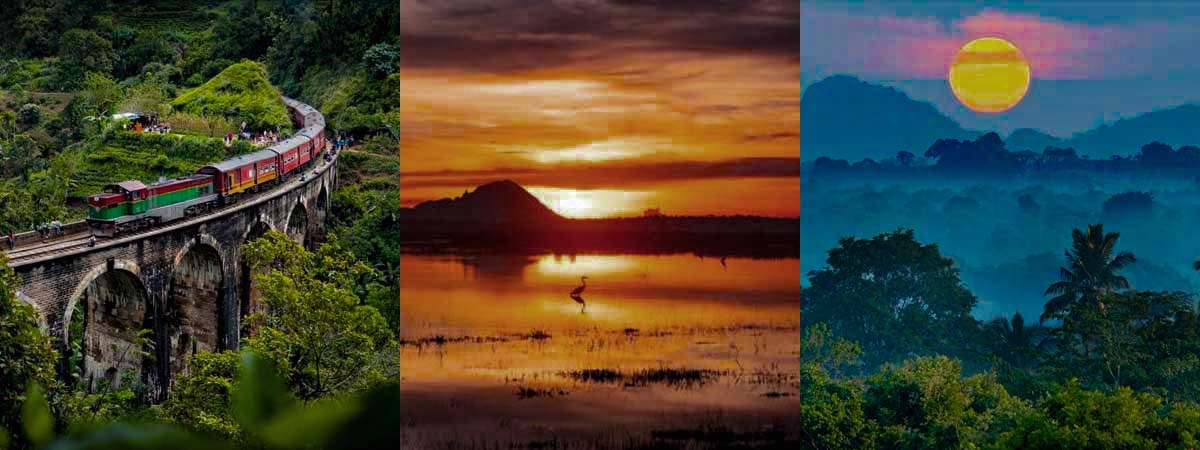
Sri Lanka is one of the rare destinations where wildlife experiences unfold across dramatically different ecosystems within just a few days of travel. From ancient reservoir forests where elephants roam freely to wetlands alive with migratory birds and coastal wilderness shaped by wind and sea, the island offers an extraordinary diversity of habitats in a compact geography.
This journey is designed around natural rhythm rather than rushed safaris, allowing time to observe, understand, and appreciate wildlife in meaningful ways. Each park reveals a different ecosystem, and each safari is approached with patience, respect, and experienced guidance.
Beginning in the dry-zone forests of the Cultural Triangle, the journey moves south into Sri Lanka’s most celebrated national parks before ending along the calm southern coastline. The experience balances adventure with comfort, ensuring that wildlife encounters remain immersive yet unhurried.
This is not simply a safari itinerary — it is a journey into Sri Lanka’s natural world
Distance: ~170 km | 4–4.5 hrs
After arriving in Sri Lanka, travel inland toward the Cultural Triangle, where ancient forests and man-made reservoirs create one of the island’s most important wildlife regions. The drive gradually leaves behind the busy coastal plains and enters landscapes shaped by farming, forest, and water.
Large irrigation lakes built by ancient kings shimmer beside the road, now serving as habitats for birds, reptiles, and elephants. Villages appear between stretches of forest, offering a gentle introduction to Sri Lanka’s rural environment.
The afternoon is intentionally relaxed, allowing travelers to settle into the quiet surroundings of a nature-based hotel.
Destination Context — Cultural Triangle Wilderness
Beyond its archaeological importance, the Cultural Triangle is also an ecological region where dry forests, grasslands, and reservoirs support diverse wildlife. Elephants frequently move between forest corridors, while birdlife thrives around water sources.
Activities
Highlights
Hotel Options (Sigiriya / Habarana)
The morning is calm, allowing time to enjoy the surroundings before heading out in the afternoon for a safari in Minneriya or Kaudulla National Park, depending on elephant movement.
As the jeep enters the park, the landscape opens into wide grasslands surrounding ancient reservoirs. Herds of elephants often move slowly across the plains, feeding, bathing, or interacting with younger members of the group. The experience feels natural and unforced, guided by the rhythms of the animals rather than the expectations of visitors.
Birds circle above the water, and the late afternoon light transforms the scenery into warm gold tones.
Destination Context — The Elephant Gathering
These national parks are part of an interconnected elephant migration corridor. During dry seasons, elephants gather near shrinking reservoirs — one of Asia’s most remarkable wildlife spectacles.
Activities
Highlights
Hotel Options
Distance: ~220 km | 5–6 hrs
Today’s journey travels south across Sri Lanka’s interior, revealing the island’s geographic diversity. The dry forests gradually give way to farmland, rocky outcrops, and eventually the warmer lowland ecosystems of the south.
Arriving near Yala National Park, the environment feels distinctly different — more open, rugged, and wild. The afternoon is free to relax at the lodge, allowing time to absorb the natural surroundings before the next day’s safari.
Destination Context — Southern Wildlife Ecosystems
The southeastern plains of Sri Lanka are shaped by seasonal rainfall, lagoons, and forest patches. These ecosystems support leopards, elephants, crocodiles, and numerous bird species.
Activities
Highlights
Hotel Options (Yala / Tissamaharama)
An early start brings travelers into Yala National Park at sunrise, when wildlife activity is at its peak. The park’s diverse terrain — forest, scrubland, lagoons, and open plains — creates varied habitats that support remarkable biodiversity.
The search for leopards adds quiet excitement to the safari, though the experience is equally rewarding in smaller moments — a crocodile resting near water, deer moving cautiously through forest edges, or elephants emerging from the trees.
The afternoon is free to rest, swim, or simply enjoy the wilderness atmosphere.
Destination Context — Yala National Park
Yala is Sri Lanka’s most famous wildlife reserve, known especially for leopards and elephants. The park also plays an important role in conservation and habitat protection.
Activities
Highlights
Hotel Options
Distance: ~120 km | 3–4 hrs
After breakfast, visit Bundala National Park, where the scenery shifts from forest to lagoons and coastal wetlands. The environment feels open and expansive, with shallow water bodies attracting migratory birds.
Flamingos, pelicans, and storks are often seen moving across the wetlands, creating a peaceful contrast to the forests of Yala.
Later, continue toward Sri Lanka’s southern coast, where the journey slows into a relaxed seaside rhythm.
Destination Context — Bundala Biosphere Reserve
Bundala is recognized internationally for its ecological importance, especially as a habitat for migratory birds traveling across continents.
Activities
Highlights
Hotel Options (South Coast)
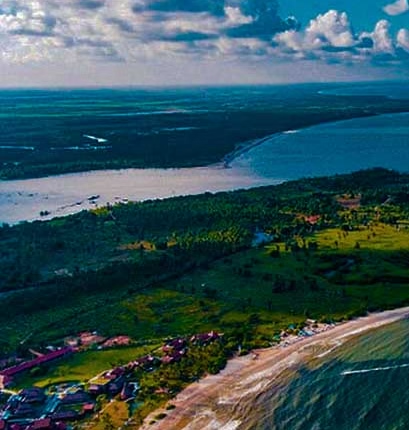
The final full day unfolds at a slower pace along Sri Lanka’s southern coastline. Fishing boats rest along the shore, waves roll gently across the sand, and coastal life moves without urgency.
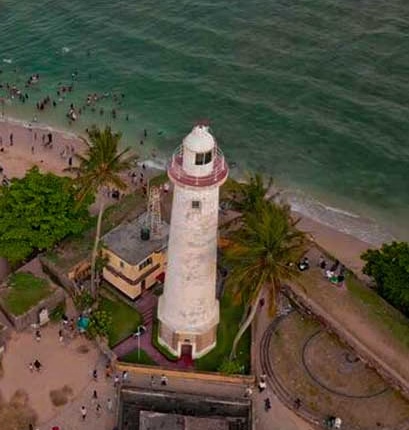
Depending on the season, travelers may choose to go whale watching, explore Galle Fort, or simply enjoy the ocean.
Destination Context — Southern Coastline
The southern coast reflects Sri Lanka’s maritime heritage, fishing culture, and connection to the Indian Ocean.
Activities (optional)
Highlights
Hotel Options
Distance: ~150 km | 2.5–3 hrs
After breakfast, travel to the airport along the Southern Expressway. The journey concludes with memories of forests, elephants, wetlands, and coastal horizons.
Activities
Highlights