

● Introduction
Village walks in Sri Lanka offer one of the most genuine ways for travelers to experience the island’s culture, traditions, and rural beauty. Unlike mainstream tourist attractions, village walks give visitors the chance to slow down, meet local communities, and explore everyday life shaped by farming, craftsmanship, spirituality, and nature. For foreign travelers seeking real human connection and meaningful travel experiences, Sri Lankan village walks reveal the heart of the island beyond hotels and crowded landmarks.● Why Village Walks Are Special
Village walks highlight the simple yet rich lifestyle of rural Sri Lanka. They allow travelers to:- Engage directly with villagers
- Explore paddy fields, lakes, and forest paths
- Observe traditional farming and home-based crafts
- Learn about cultural customs and everyday routines
- Enjoy peaceful natural surroundings far from the city
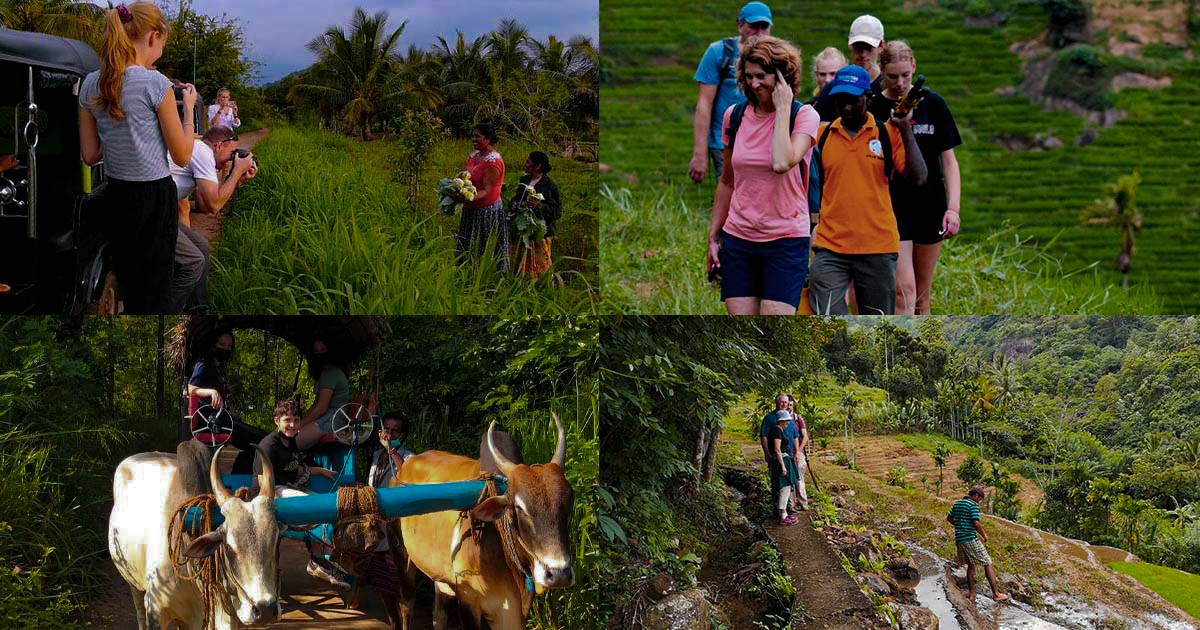
● What You Experience During a Village Walk
Paddy Fields & Farming Life
Most village walks begin with a stroll through vast paddy fields, where you can see farmers tending to crops, water buffalo working in muddy fields, and the unique irrigation systems that support centuries-old rice cultivation. During sunrise or sunset, the fields glow beautifully under the golden light.Local Houses & Home Gardens
Travelers often visit traditional village homes built with clay walls, tiled roofs, and open verandas. Home gardens are filled with spices, medicinal herbs, tropical fruits, and vegetables grown organically. Homeowners sometimes offer fresh king coconut, homemade sweets, or herbal drinks.Lakes, Rivers & Reservoirs
Many villages are centered around lakes (wewas) that provide water for agriculture. These spots are peaceful, with lotus flowers, birdlife, fishermen in wooden canoes, and scenic walking paths along the edges.Handicrafts & Village Skills
Some areas are known for pottery, wood carving, weaving, and traditional cooking methods. Watching these skills in action helps travelers understand the craftsmanship and heritage behind Sri Lankan culture.Village Temples & Shrines
Small temples and shrines give insight into local spiritual life. The sound of chanting monks, temple bells, and incense creates a calming atmosphere that reflects the island’s deep-rooted Buddhist traditions.● Popular Regions for Village Walks
- Habarana & Sigiriya – Paddy fields, lakes, bullock cart rides, canoe trips, and cooking experiences.
- Kandy Countryside – Hills, tea bushes, riverbanks, and small temples.
- Galle & Southern Villages – Coconut groves, cinnamon gardens, tropical landscapes.
- Ella & Uva Province – Cool climate, tea patches, vegetable gardens, hidden rural settlements.
● Who These Walks Are Ideal For
- Culture lovers
- Nature enthusiasts
- Photographers
- Families
- Solo travelers
- Anyone seeking peaceful, non-commercial travel
● Best Time for Village Walks
Early morning and late afternoon are ideal due to cooler temperatures and soft lighting. These times also allow travelers to witness farmers beginning or ending their day’s work—making the experience more authentic and meaningful.● Tips for Travelers
- Wear comfortable shoes for walking
- Bring sunscreen, a hat, and drinking water
- Ask before taking photos of people
- Dress modestly near temples
- Engage kindly with villagers—they love friendly conversations
- Avoid disrupting farm areas or entering private property without permission