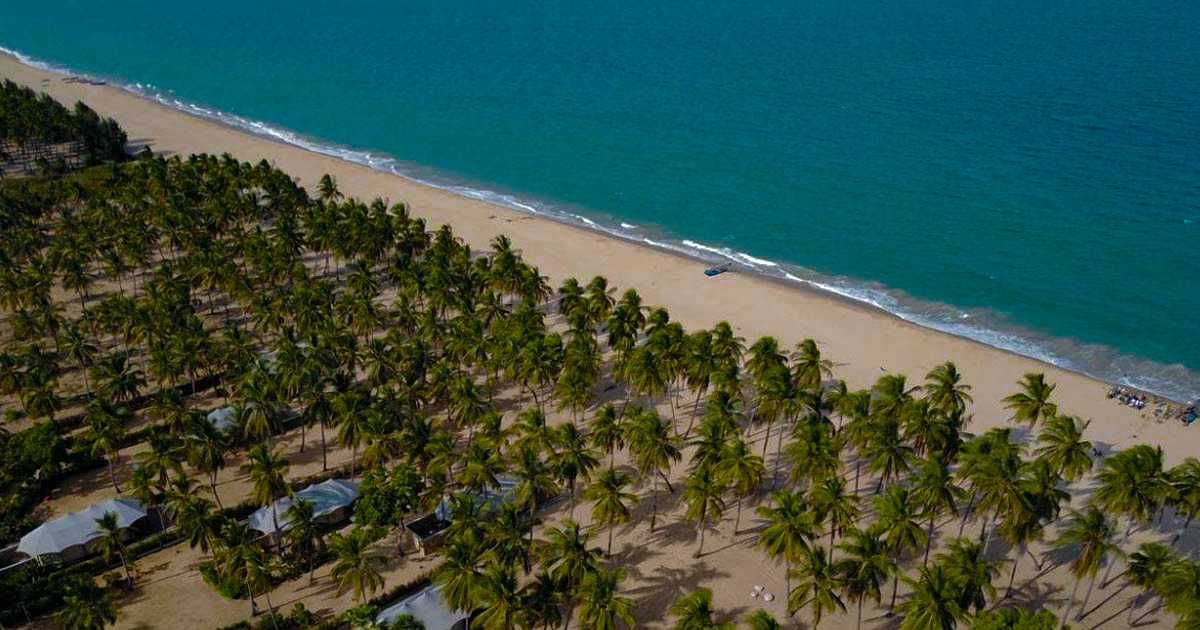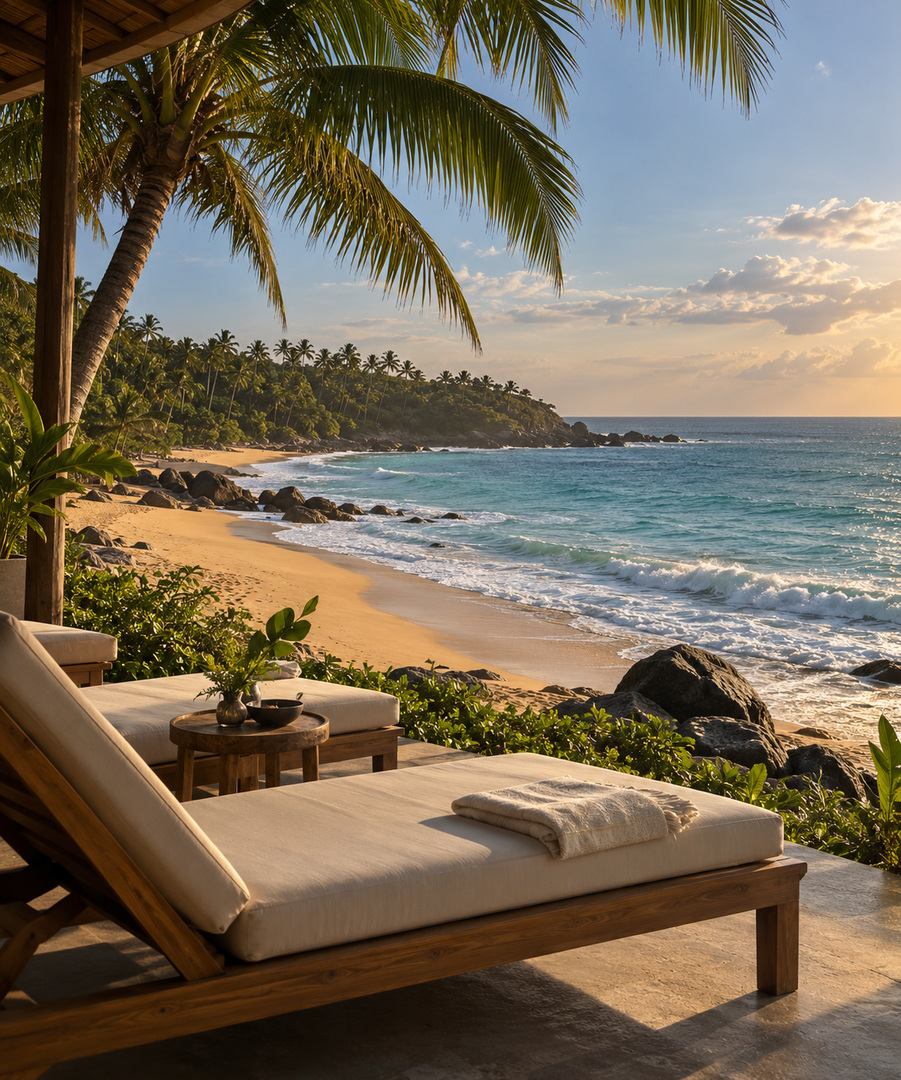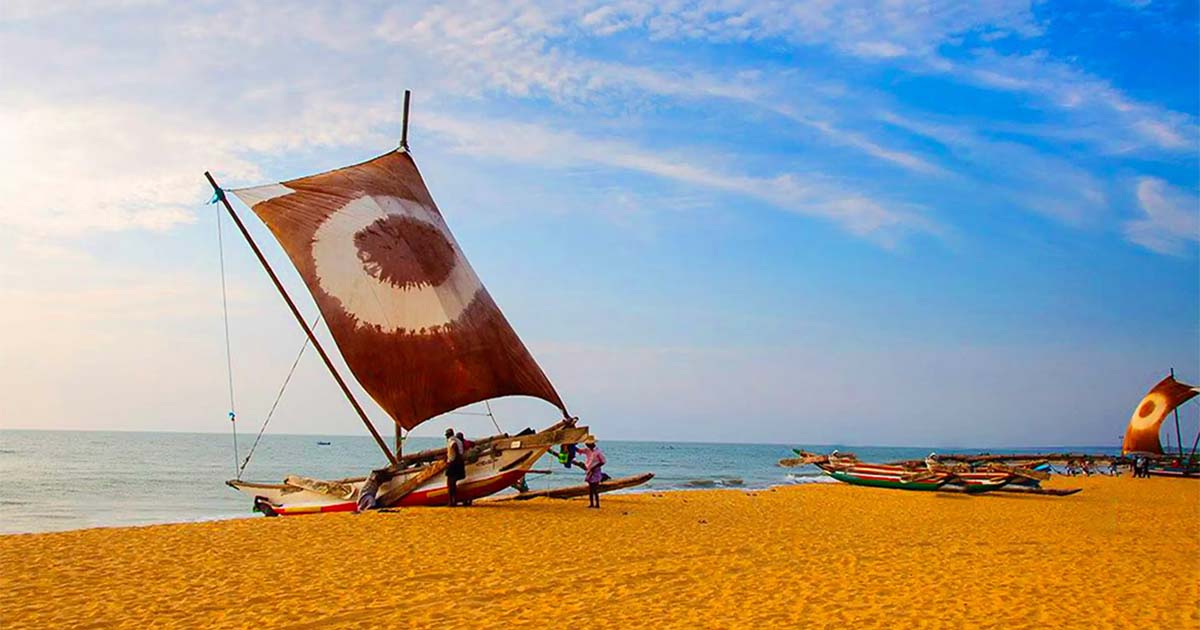
Negombo Beach – Gateway to Sri Lanka’s Coastal Charm
● Introduction Located just a short drive from Bandaranaike International Airport, Negombo Beach Sri Lanka is often the...




Introduction
Sri Lanka reveals itself best through time — not through rushing from landmark to landmark, but through a gradual journey across landscapes, cultures, and traditions. The Grand Sri Lanka Journey is designed as a complete introduction to the island, bringing together ancient civilizations, hill country heritage, wildlife environments, coastal life, and living cultural traditions.
This itinerary follows the natural rhythm of the island — beginning in the historic heartland of ancient kingdoms, moving into the spiritual hill country and tea landscapes, continuing through wildlife territories, and ending along the southern coast where history meets the ocean.
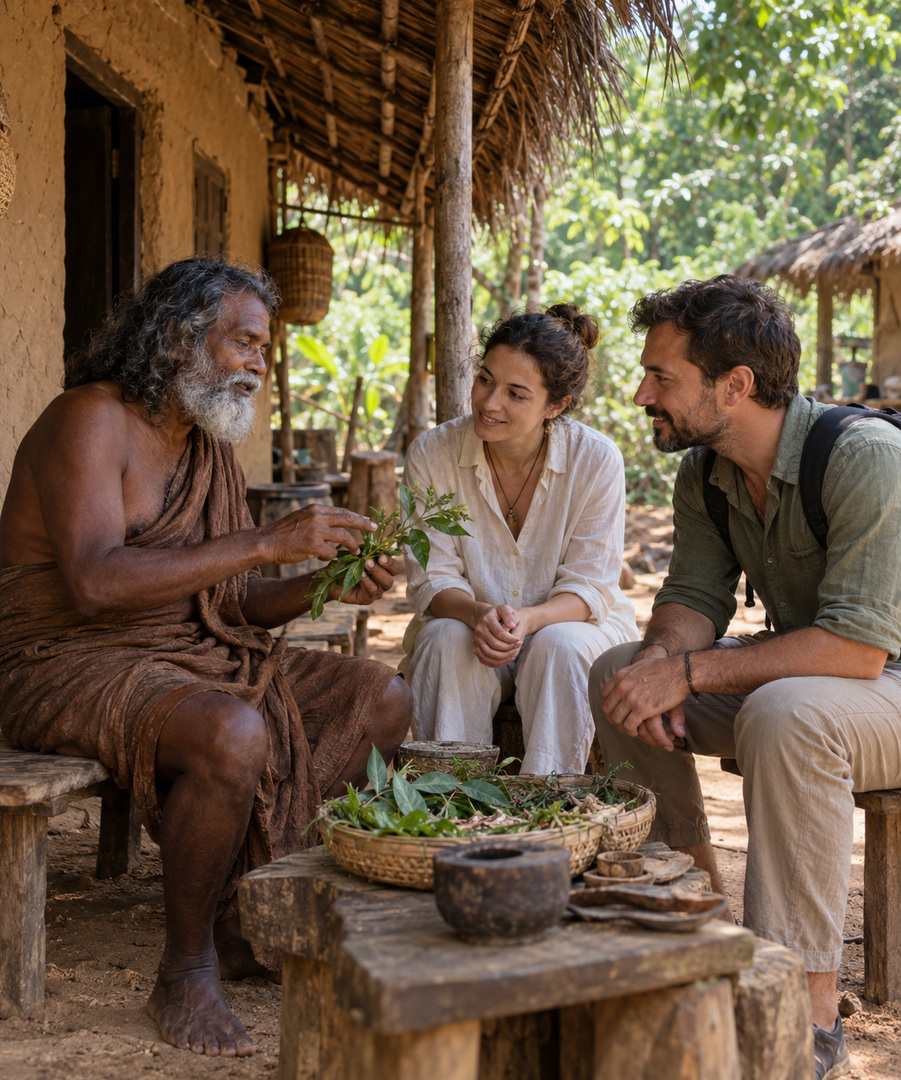
Rather than focusing on sightseeing alone, this journey emphasizes experience, atmosphere, and connection — conversations with local hosts, scenic rail travel, quiet temple visits, and time to absorb each place fully. Carefully paced travel days, thoughtfully selected boutique hotels, and immersive cultural moments ensure that the journey remains both comfortable and meaningful.
This is Sri Lanka experienced as a story — unfolding naturally from past to present, from mountains to sea.
Distance: ~170 km | 4–4.5 hrs
Day Description
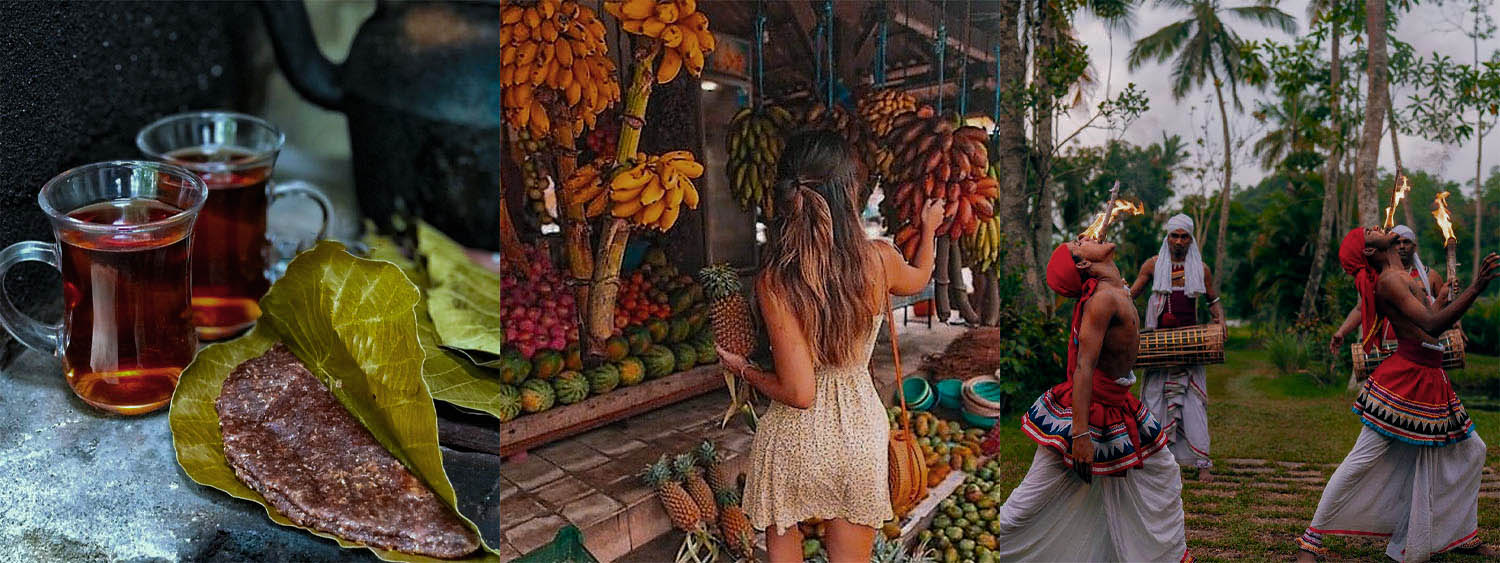
After arrival, travel inland from Colombo toward Sri Lanka’s Cultural Triangle. The scenery gradually shifts from urban coastline to coconut groves, rice fields, and ancient irrigation lakes. The drive introduces the island’s rural character — slow-moving villages, roadside fruit stalls, and expansive countryside.
The afternoon is intentionally relaxed, allowing time to recover from travel and adjust to Sri Lanka’s pace. The quiet surroundings of the Cultural Triangle offer a calm introduction to the journey ahead.
As evening falls, the sounds of birds and distant village life replace city noise, setting the tone for the days to come.
Destination Significance
The Cultural Triangle represents the foundation of Sri Lankan civilization. Between the 3rd century BCE and the 13th century CE, powerful kingdoms developed advanced irrigation systems, agriculture, and Buddhist philosophy here. The region’s reservoirs, temples, and ruins reflect a society deeply connected to water, land, and spirituality.
Today, the area still feels timeless. Farming communities continue to rely on ancient tank systems, and village life follows seasonal rhythms shaped by nature. Beginning the journey here allows travelers to understand Sri Lanka’s cultural roots before exploring its later histories and landscapes.
Highlights
Activities
Hotel Options:
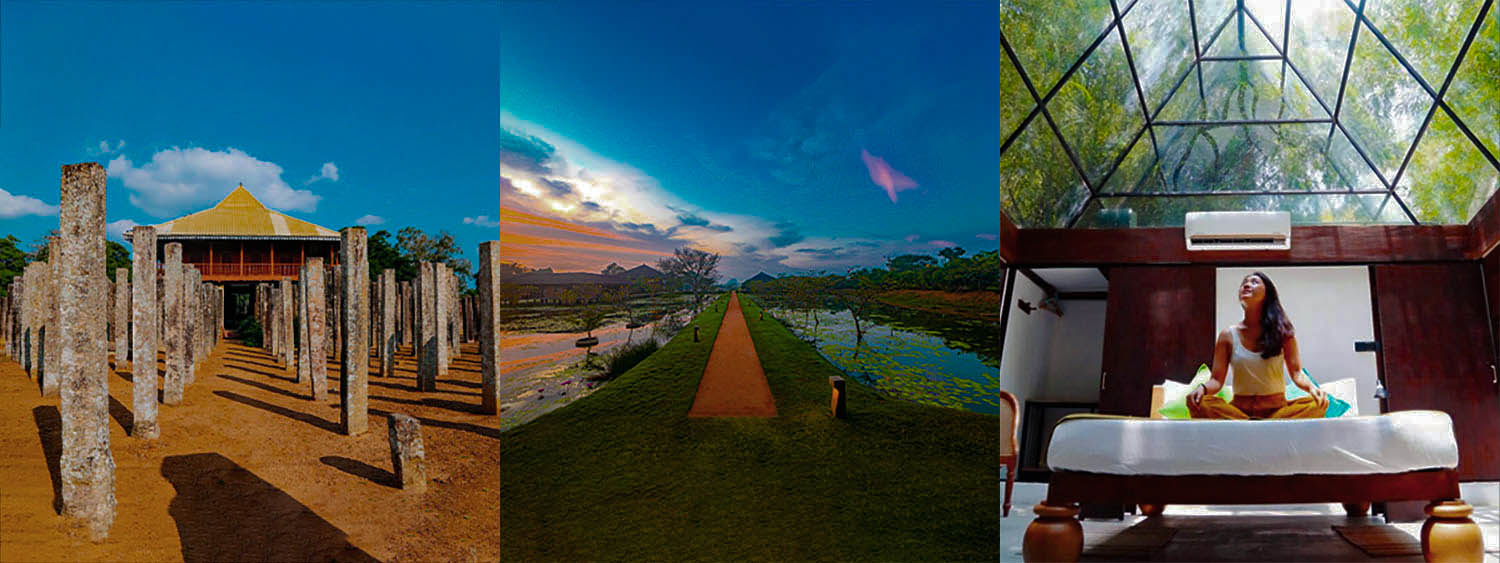
Jetwing Vil Uyana / Water Garden Sigiriya / Aliya Resort / Sigiriya Village
Day Description
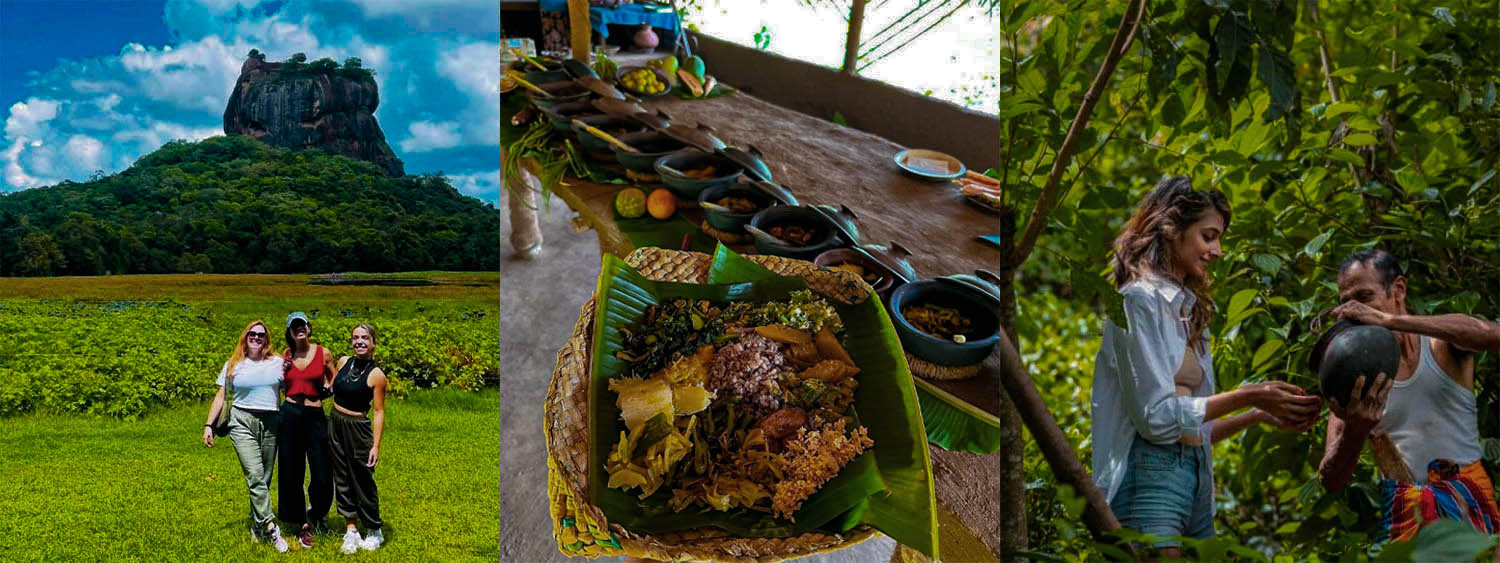
Begin early with a climb up Sigiriya Rock Fortress, one of Asia’s most remarkable archaeological sites. The ascent passes ancient water gardens, frescoes painted on rock walls, and massive stone gateways. At the summit, sweeping views reveal forest, farmland, and distant mountains.
Later in the day, experience village life through a gentle walk along paddy fields and irrigation canals. A simple home-style lunch introduces traditional Sri Lankan cooking and hospitality.
The contrast between royal history and everyday rural life defines the day’s experience.
Destination Significance
Sigiriya reflects both artistic brilliance and royal ambition. Built in the 5th century by King Kashyapa, it combined palace, fortress, and landscape design into a single vision. The surrounding villages represent continuity — agriculture, shared meals, and community life rooted in centuries of tradition.
Together, they show how Sri Lanka’s history and present remain closely connected.
Highlights
Activities
Hotel: Same as Day 01
Day Description
Travel to Polonnaruwa, where stone temples, royal palaces, and serene Buddha statues remain preserved across a quiet archaeological landscape. Cycling or walking through the site allows travelers to absorb its scale and tranquility.
In the afternoon, a wildlife safari in Minneriya National Park offers the chance to observe elephants gathering around seasonal lakes.
The day balances history and nature.
Destination Significance
Polonnaruwa represents Sri Lanka’s medieval kingdom — a period of engineering innovation, Buddhist art, and urban planning. The nearby national parks protect ecosystems that have coexisted with human settlement for centuries.
Together, they show the island’s long relationship between civilization and wilderness.
Highlights
Activities
Hotel: Same as Day 01
Distance: ~90 km | 3–3.5 hrs
Day Description
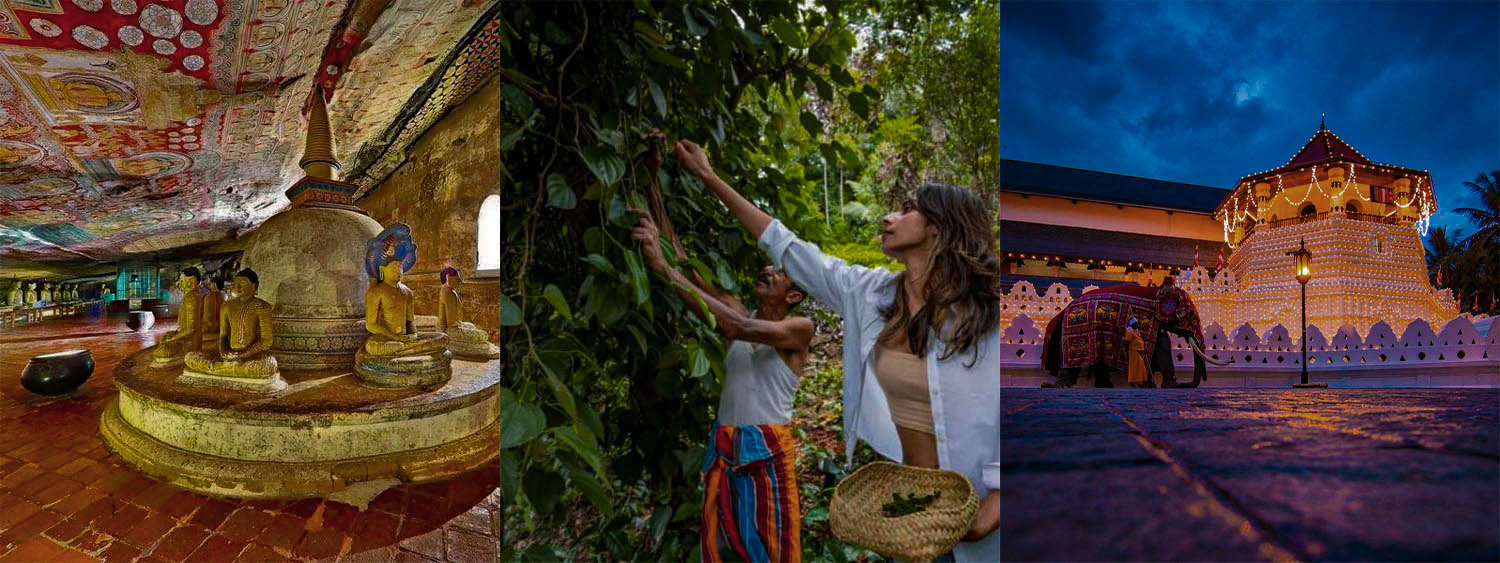
Leaving the dry-zone plains behind, the journey moves south toward Kandy, where the landscape becomes greener and gently mountainous. Along the way, stop at the Dambulla Cave Temple, where centuries of devotion have filled the rock chambers with painted ceilings, Buddha statues, and quiet spiritual atmosphere. The cool interior of the caves offers a calm contrast to the surrounding countryside.
Arriving in Kandy, the city reveals itself gradually — a lake framed by hills, temples, markets, and colonial-era buildings. In the evening, visit the Temple of the Sacred Tooth Relic during a quieter time of worship. The scent of incense, the sound of drumming, and the steady flow of devotees create a deeply atmospheric experience.
The day feels like a transition — from ancient kingdoms of the plains to the spiritual heart of Sri Lanka.
Destination Significance
Kandy was the last royal capital of Sri Lanka, preserving independence until the early 19th century. The Temple of the Sacred Tooth Relic remains the island’s most important Buddhist shrine, symbolizing both religious devotion and historical sovereignty. The city itself blends royal heritage, colonial influence, and everyday Sri Lankan life.
Kandy is chosen not only for its landmarks but for its atmosphere — a place where religion, commerce, and tradition exist side by side. It offers travelers an understanding of Sri Lanka as a living culture rather than simply a historical destination.
Highlights
Activities
Hotel Options:
Theva Residency / Fox Kandy / Cinnamon Citadel / Kings Pavilion
Distance: ~80 km | 3–4 hrs
Day Description
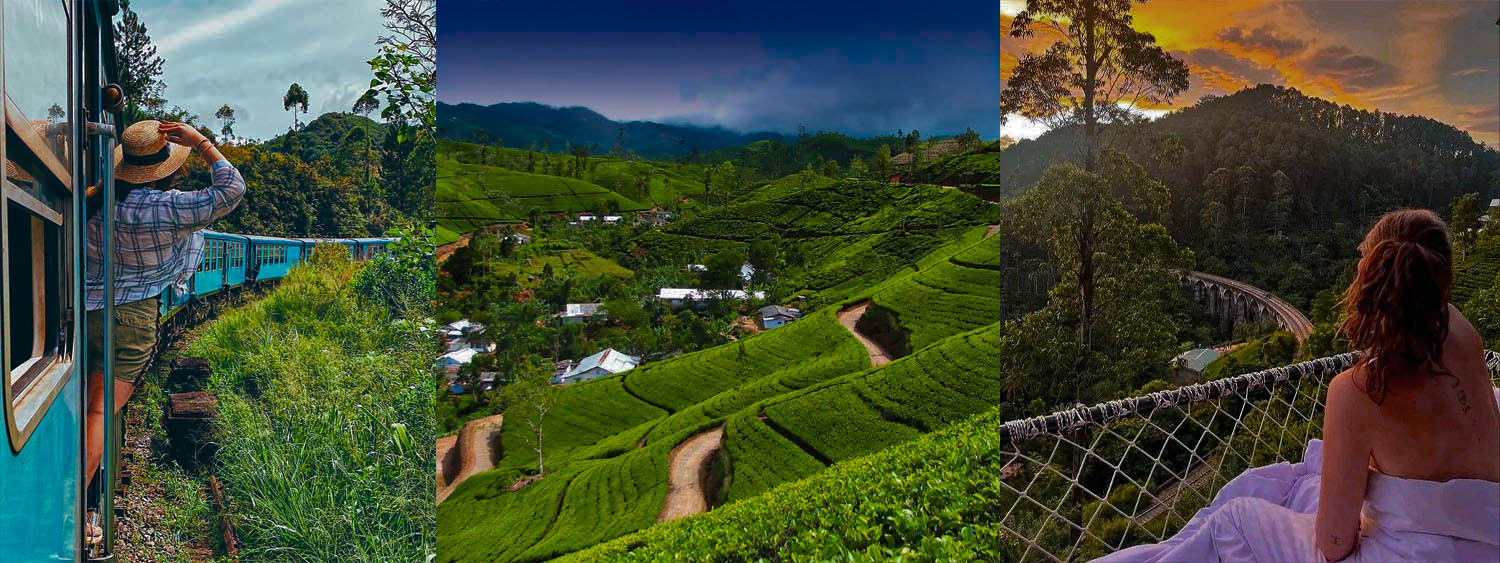
The road climbs steadily into the central highlands, where air cools and landscapes transform into rolling tea estates. Mist drifts across hillsides, and narrow roads wind through plantation villages where tea workers move through bright green fields.
Visit a working tea estate to learn about cultivation, plucking, and processing — from leaf to cup. The experience is unhurried, allowing travelers to appreciate both the scenery and the human stories behind Ceylon Tea.
The afternoon invites stillness — perhaps a walk through estate gardens or simply watching clouds move across the hills.
Destination Significance
Tea country reflects one of the most significant transformations in Sri Lanka’s modern history. Introduced during the British colonial period, tea reshaped the economy, landscape, and communities of the central highlands. Plantation bungalows and factories remain reminders of that era.
Beyond history, the highlands offer a slower rhythm of life shaped by climate and elevation. Including tea country in the journey provides balance — connecting colonial heritage, natural beauty, and contemporary Sri Lankan identity.
Highlights
Activities
Hotel Options:
Ceylon Tea Trails / The Grand Hotel / Jetwing St. Andrew’s / Goatfell
Day Description
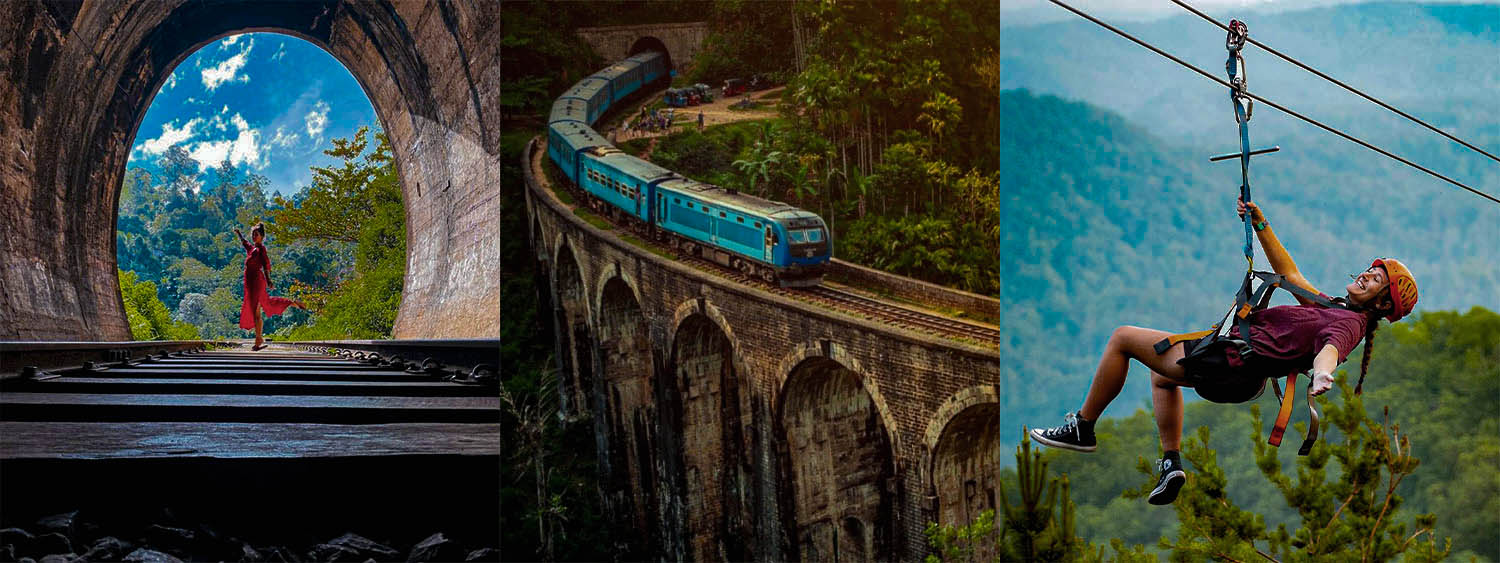
The morning begins with one of Sri Lanka’s most memorable experiences — the train journey through the hill country. The train moves slowly through tunnels, forests, waterfalls, and endless tea plantations. Open windows allow cool air to fill the carriage, and small stations appear and disappear along the route.
Arriving in Ella, the atmosphere feels relaxed and scenic. The small town sits between mountains, tea fields, and forest, offering a calm environment to unwind after travel.
The day is defined by movement through landscape — a gentle transition deeper into the highlands.
Destination Significance
Sri Lanka’s hill-country railway was built during the colonial era to transport tea to coastal ports. Today, it remains one of the most scenic rail journeys in the world. Ella represents the meeting point of nature, agriculture, and small-town life in the mountains.
Including this train journey connects travelers directly with Sri Lanka’s geography and heritage in a way no road journey can replicate.
Highlights
Activities
Hotel Options:
98 Acres Resort / EKHO Ella / Mountain Heavens / Ella Flower Garden
Day Description
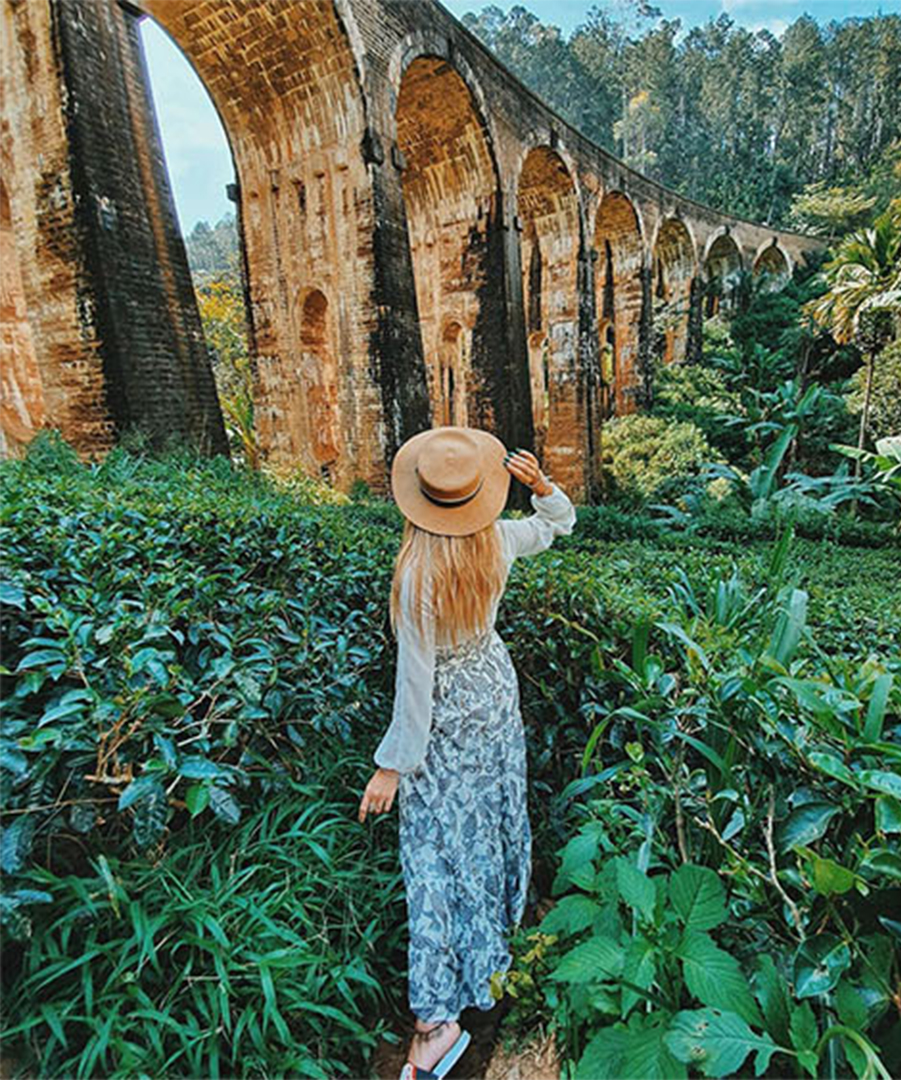
Morning light reveals Ella’s surrounding mountains clearly. A short hike or viewpoint visit offers expansive views across valleys and tea-covered slopes. Later, visit Nine Arch Bridge or a nearby waterfall, where the sound of water and forest creates a peaceful environment.
The afternoon remains flexible — time to rest, explore, or enjoy the cool climate.
Ella encourages slow exploration rather than structured sightseeing.
Destination Significance
Ella represents Sri Lanka’s hill-country lifestyle — small farms, tea gardens, forest trails, and village communities. The area reflects how people live in harmony with mountain environments.
Including Ella adds balance to the journey, blending nature, local life, and gentle adventure.
Highlights
Activities
Hotel: Same as Day 06
Day Description
Descending from the mountains, the scenery changes dramatically. Forest gives way to dry plains and open grasslands. The warmth returns as the journey approaches Sri Lanka’s wildlife regions.
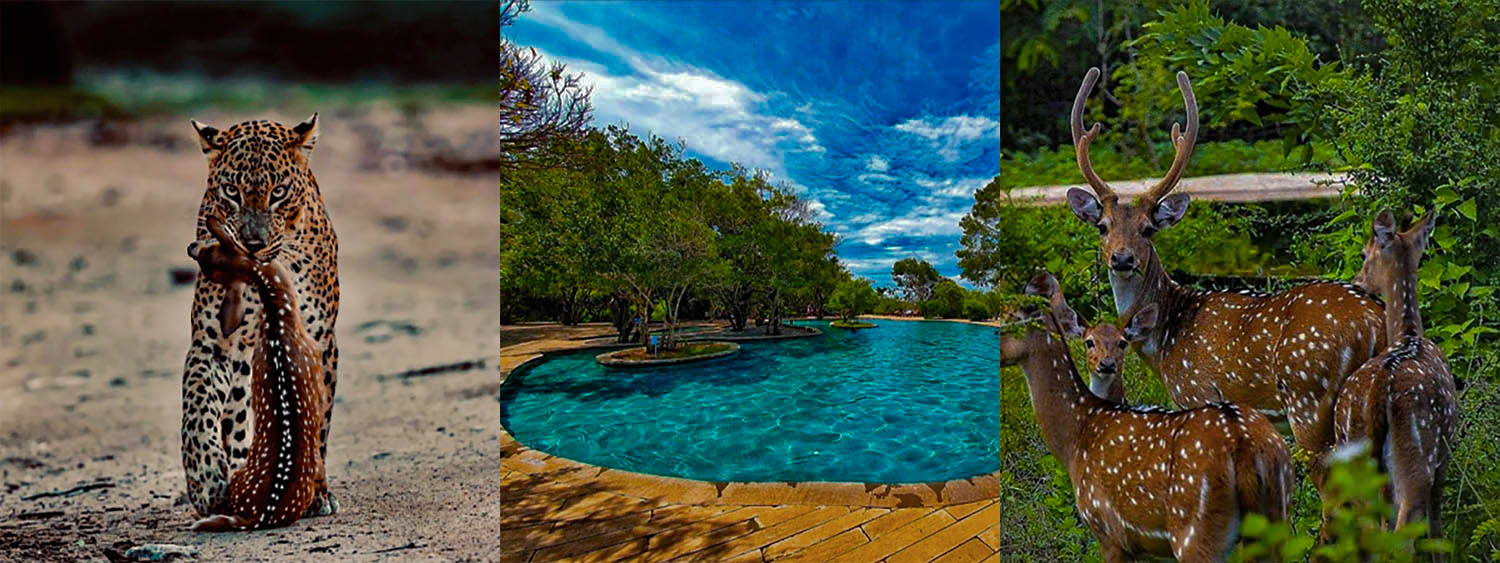
An afternoon safari introduces the landscapes of national parks — lakes, scrub forest, and wide horizons where elephants and birds move freely.
The day feels expansive and wild.
Destination Significance
Sri Lanka’s national parks protect ecosystems that have existed alongside human settlement for centuries. These areas are vital for conservation and biodiversity.
Including wildlife experiences connects travelers to the island’s natural heritage.
Highlights
Activities
Hotel Options:
Jetwing Yala / Cinnamon Wild / Kalu’s Hideaway / Grand Udawalawe
Day Description
An early-morning safari offers the best chance to observe wildlife activity. The park feels quiet and vast, with birds, deer, elephants, and other animals moving through natural habitats.
The remainder of the day is relaxed, allowing time to enjoy the lodge surroundings.
Destination Significance
Wildlife reserves represent Sri Lanka’s commitment to preserving biodiversity. Safaris here focus on observation and respect for ecosystems.
Highlights
Activities
Hotel: Same as Day 08
Day Description
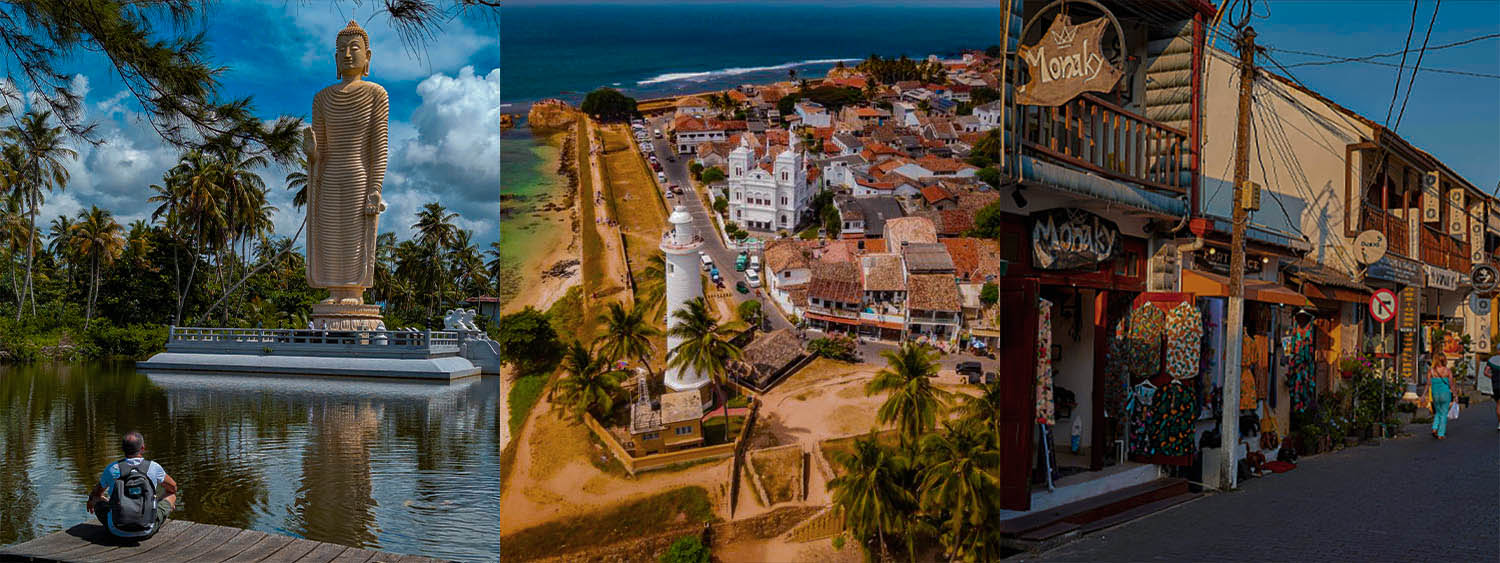
Travel toward the southern coast, where palm trees and ocean air replace inland landscapes. Arrive in Galle Fort, where cobbled streets and colonial buildings reflect centuries of maritime history.
The evening invites exploration along ramparts overlooking the sea.
Destination Significance
Galle Fort is a UNESCO-listed coastal town shaped by Portuguese, Dutch, and British influence. Today, it remains a living community where history and modern life coexist.
Highlights
Activities
Hotel Options:
Amangalla / Fort Bazaar / Mango House / The Bartizan
Day Description
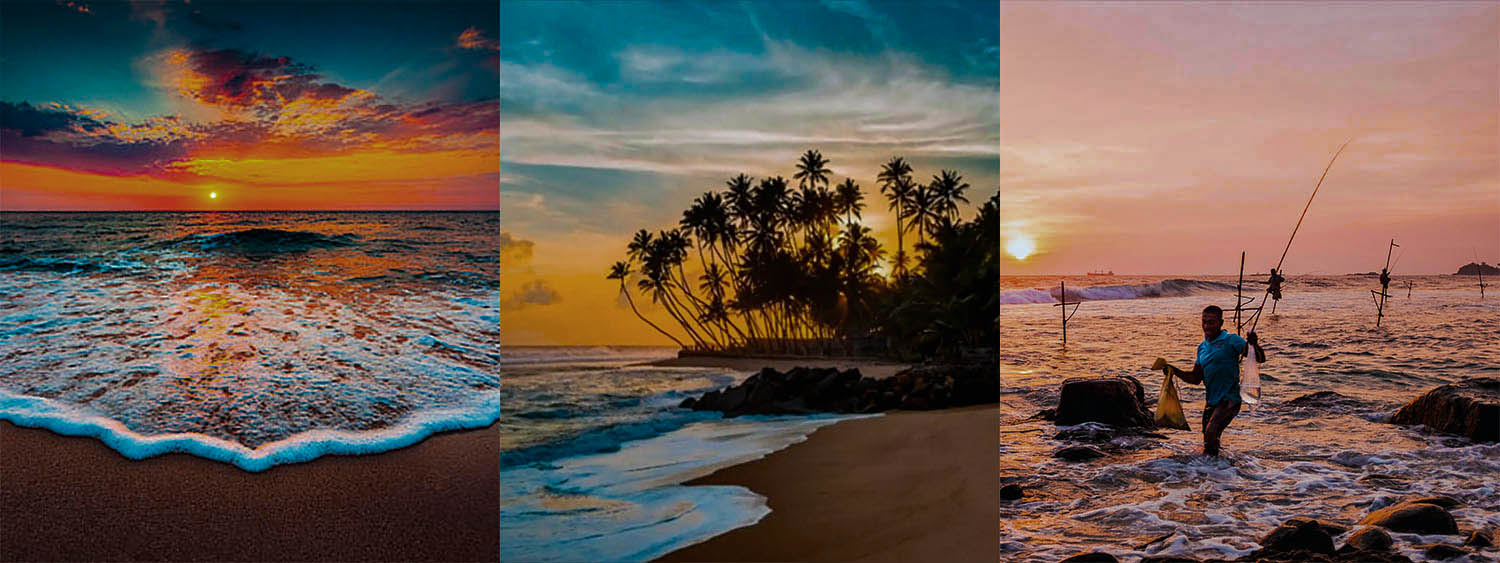
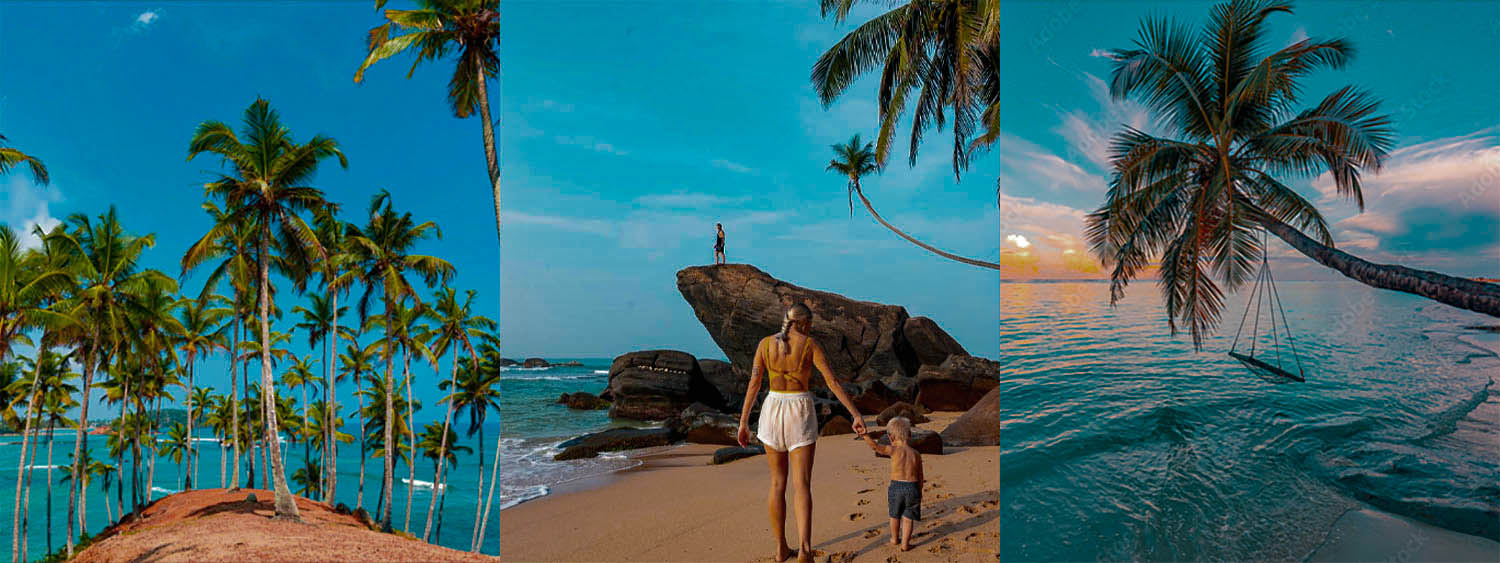
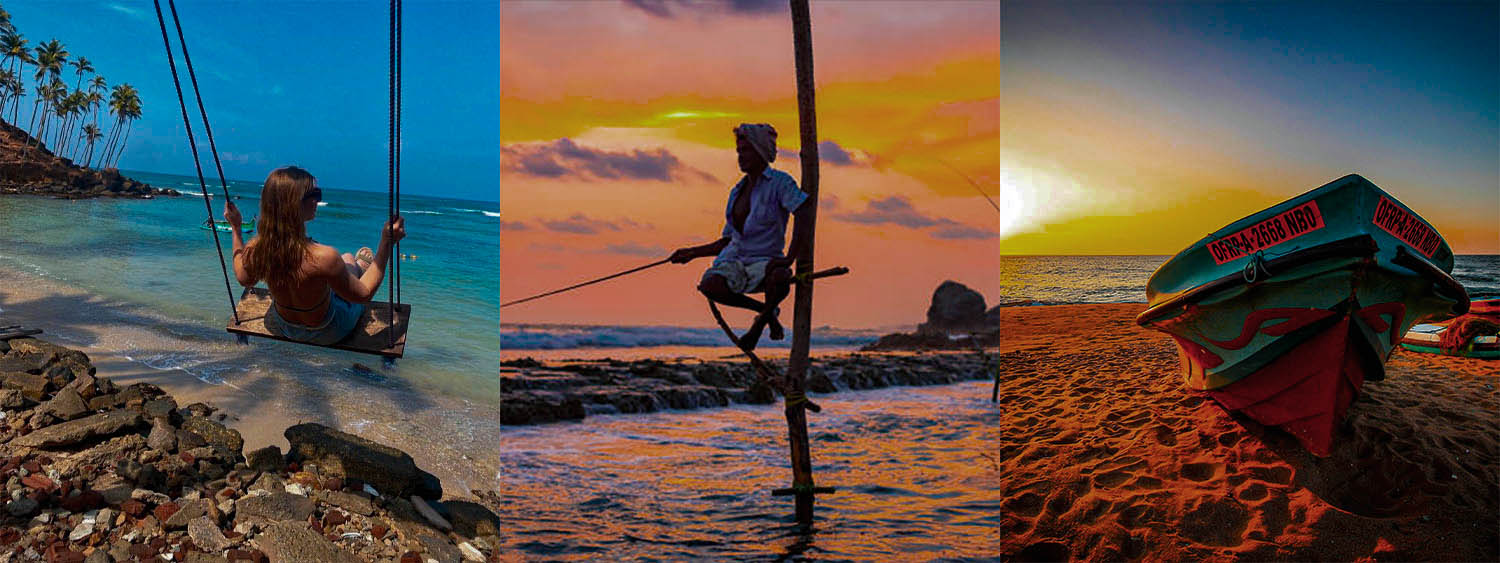
These days focus on rest and reflection by the ocean. Beaches, lagoons, and small coastal towns offer space to slow down after the journey inland.
Travelers may swim, walk along beaches, or simply relax at the hotel.
Destination Significance
Sri Lanka’s southern coast reflects the island’s connection to the sea — fishing communities, trade routes, and relaxed coastal culture.
Highlights
Activities
Hotel Options:
Cape Weligama / KK Beach / Jetwing Lighthouse / Fort Bazaar
Day Description
After breakfast, return to the airport along the coastal highway. The journey ends calmly, reflecting on landscapes, culture, and experiences gathered across the island.
Destination Significance
Departure from the coast mirrors Sri Lanka’s identity as an island shaped by ocean, trade, and connection.
Highlights
Activities
Private transfer