
● Introduction
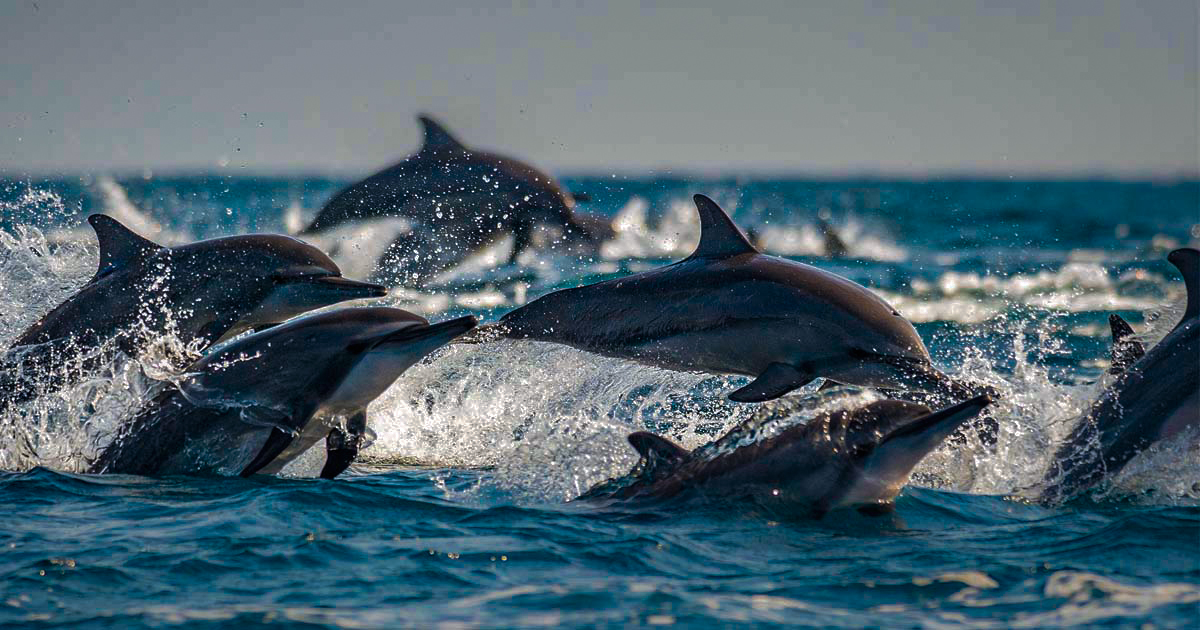
Sri Lanka is not only famous for its ancient temples and lush rainforests but also for its rich marine life. The waters surrounding the island are some of the best places in the world for whale and dolphin watching, attracting nature lovers and adventure seekers from across the globe. For foreign travelers, setting sail into the Indian Ocean to witness these majestic creatures is a once-in-a-lifetime experience that combines excitement, beauty, and eco-tourism.
● Why Go Whale & Dolphin Watching in Sri Lanka?
Sri Lanka’s unique location, just off the continental shelf, brings nutrient-rich currents close to its shores. This makes the island an ideal feeding ground for whales and dolphins. Unlike many destinations where sightings are rare, Sri Lanka boasts some of the highest success rates in the world for spotting these marine giants.
For travelers, this means more than just an excursion—it’s an opportunity to see blue whales, sperm whales, and spinner dolphins thriving in their natural environment.
● Best Locations for Whale & Dolphin Watching
- Mirissa (South Coast): The most popular whale-watching hub, known for frequent blue whale sightings.
- Trincomalee (East Coast): Best for sperm whales and seasonal dolphin pods.
- Kalpitiya (Northwest Coast): Famous for large pods of spinner dolphins, sometimes numbering in the thousands.
Each location has its own season, making it possible to enjoy marine watching experiences almost year-round.
● Whale Species to Spot
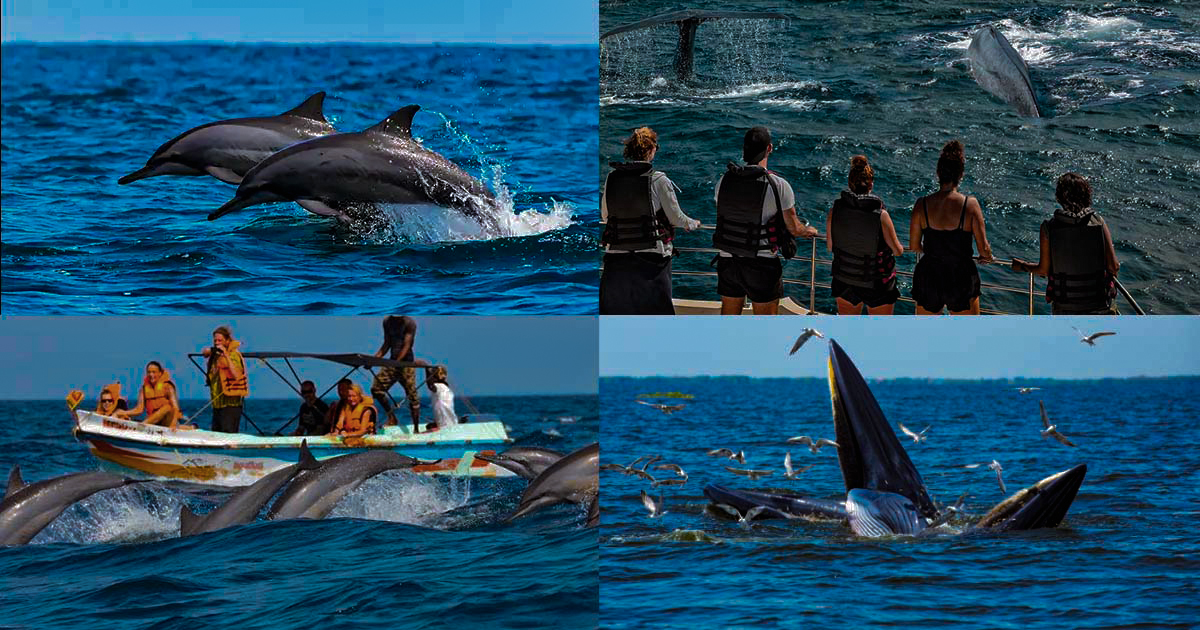
Sri Lanka is one of the few places where travelers can regularly see the blue whale, the largest animal on Earth. Other whale species include sperm whales, Bryde’s whales, and occasionally killer whales. Seeing these giants breach the surface or spout water is a breathtaking sight for visitors.
● Dolphin Encounters
Equally thrilling are the playful dolphins that accompany boats, leaping and spinning in the air. Spinner dolphins are the most common, but bottlenose and Risso’s dolphins are also spotted. Travelers often describe these encounters as joyful, with dolphins racing alongside boats and entertaining with acrobatic displays.
● The Experience
Whale and dolphin watching tours usually begin early in the morning, when the sea is calm and sightings are more frequent. Boats head a few kilometers offshore, where the deep ocean currents meet. Tours typically last three to five hours, giving travelers plenty of opportunities to spot marine life.
Guides provide information about the species encountered and the importance of marine conservation. Many tours emphasize eco-friendly practices, ensuring animals are not disturbed.
● Eco-Tourism and Conservation
Sri Lanka is increasingly focusing on responsible marine tourism. Operators are encouraged to follow ethical guidelines, such as keeping a safe distance from animals and reducing noise pollution. By choosing eco-conscious tour providers, travelers can ensure that their experience supports conservation rather than harming the fragile ecosystem.
● Best Time to Go
- Mirissa (South Coast): November to April is the peak season for blue whale sightings.
- Trincomalee (East Coast): May to October is best for sperm whales and dolphins.
- Kalpitiya (Northwest): November to March is prime time for massive dolphin pods.
This seasonal variation makes Sri Lanka a rare destination where whale and dolphin watching is possible for most of the year.
● Travel Tips for Visitors
- Book tours with licensed and eco-friendly operators.
- Bring sunscreen, hats, and seasickness medication if needed.
- Carry binoculars and cameras with zoom lenses for photography.
- Wear comfortable clothing and non-slip footwear.
- Start tours early in the morning for calmer seas and higher chances of sightings.
● Why Travelers Love Whale & Dolphin Watching
For foreign travelers, whale and dolphin watching is often the highlight of their trip to Sri Lanka. The thrill of seeing a blue whale surface or a pod of dolphins play alongside the boat creates unforgettable memories. The combination of adventure, education, and natural beauty makes these tours one of the most rewarding experiences the island has to offer.
● Conclusion
Whale and dolphin watching in Sri Lanka is more than a tourist activity—it is a window into the wonders of the ocean. From blue whales in Mirissa to massive dolphin pods in Kalpitiya, the island offers some of the best marine encounters in the world. For those seeking adventure and eco-tourism, a whale and dolphin watching trip is an essential part of any Sri Lankan itinerary.