
● Introduction
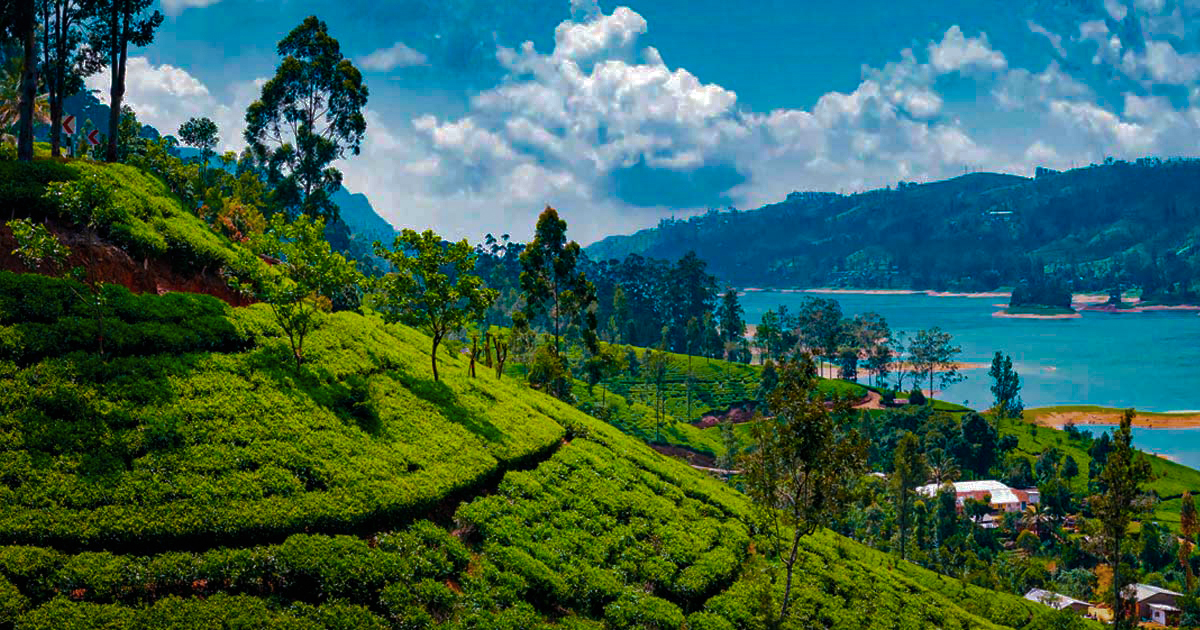
No trip to Sri Lanka’s central highlands is complete without a visit to a tea factory. While the rolling green hills and misty landscapes of the hill country are breathtaking, stepping inside a factory reveals the heart of the island’s tea industry. Two of the most famous names in this tradition are Mackwoods and Damro, both of which have become iconic destinations for travelers who want to see how Ceylon Tea is crafted. A factory tour offers more than just sightseeing—it provides a detailed journey through the production process, from freshly plucked leaves to the final aromatic brew.
● A Legacy of Ceylon Tea
The story of tea factories in Sri Lanka dates back to the 19th century, when the British introduced large-scale cultivation. Factories were built to process leaves efficiently while maintaining consistent quality. Over the years, estates such as Mackwoods and Damro have not only perfected the process but also opened their doors to visitors. Today, these factories serve as both working production centers and cultural landmarks, drawing tourists from across the globe.
● The Process of Tea Making
A visit to Mackwoods or Damro takes travelers through each stage of tea production. Guides explain the step-by-step journey:
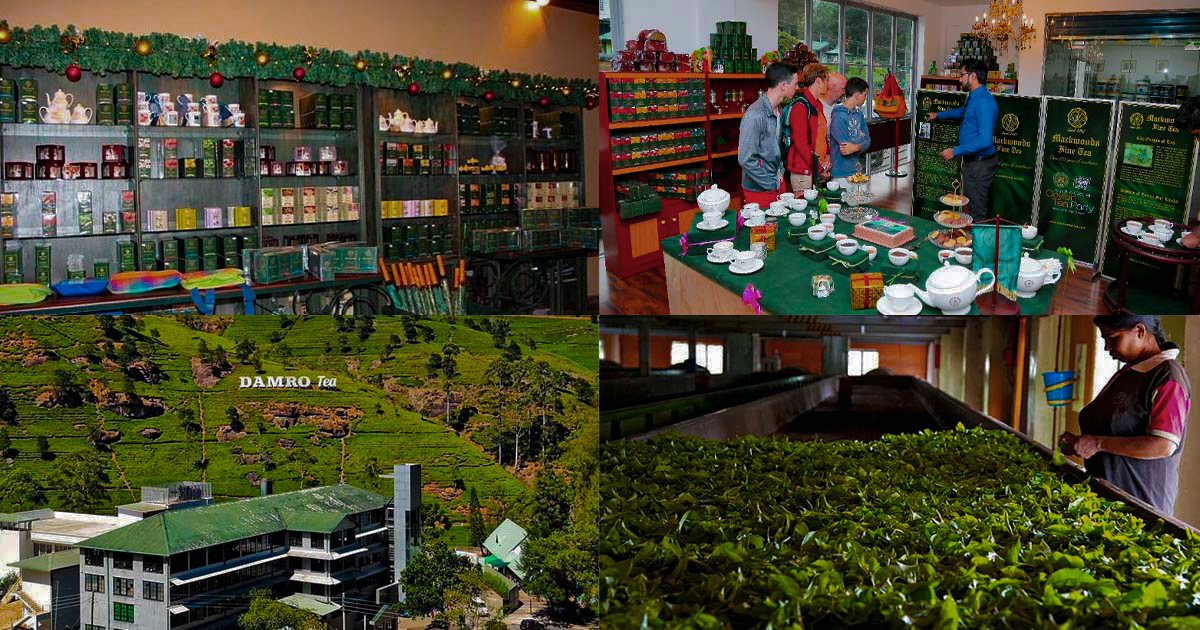
- Withering: Freshly plucked leaves are spread out to reduce moisture.
- Rolling: Leaves are twisted to release natural juices that determine flavor.
- Oxidation: This critical stage allows chemical reactions that shape the tea’s aroma and strength.
- Drying and Sorting: Leaves are dried, graded, and separated based on quality.
Walking through these stages provides travelers with a new appreciation for the labor and precision required to produce world-class Ceylon Tea.
● Experiencing Mackwoods
Mackwoods, with its striking colonial-style buildings and panoramic views of the surrounding hills, offers one of the most scenic factory experiences. Visitors are guided through the working sections of the estate before being invited to enjoy a cup of freshly brewed tea in the estate’s tea room. Mackwoods is particularly famous for its high-grown teas, known for their light flavor and golden color.
● Discovering Damro
Damro Tea, formerly part of the Mackwoods legacy, is another well-known stop for tea enthusiasts. The Damro estate provides an equally detailed tour, with informative guides explaining both traditional and modern techniques of production. After the tour, guests can sample a variety of teas and even purchase high-quality packets to take home as souvenirs.
● Cultural and Scenic Value
What makes these visits unique is the combination of culture and scenery. While the factories educate travelers about the technical side of tea, the surrounding landscapes offer stunning views of terraced hills, waterfalls, and valleys. Many visitors find themselves lingering, sipping tea while gazing at the serene beauty of Sri Lanka’s hill country.
● Why a Tea Factory Visit Is a Must
For foreign travelers, visiting a tea factory in Sri Lanka is more than just an excursion—it is a cultural immersion. It ties together history, agriculture, and local livelihoods, offering a complete picture of why tea is such an integral part of the island’s identity. Whether at Mackwoods or Damro, the experience leaves travelers with both knowledge and appreciation for the delicate art behind every cup.
● Conclusion
A tea factory tour in Sri Lanka is a journey into the soul of Ceylon Tea. From learning about the production stages to savoring a freshly brewed cup surrounded by breathtaking landscapes, the experience captures the essence of the island’s tea heritage. Mackwoods and Damro stand as shining examples of this tradition, ensuring that visitors walk away with memories as rich as the tea itself.