
● Introduction
In the remote village of Dambana, the Veddha community—Sri Lanka’s last indigenous tribe—keeps its ancient traditions alive. For travelers, one of the most fascinating ways to experience their culture is through traditional demonstrations. These carefully preserved practices reveal the tribe’s survival skills, spiritual beliefs, and deep connection with nature. Observing these demonstrations is not just entertainment; it is a cultural lesson that offers insight into a way of life that has endured for centuries.
● The Role of Demonstrations
Traditional demonstrations serve two purposes: they allow the Veddhas to showcase their heritage to outsiders, and they help younger generations within the tribe learn and carry forward ancestral knowledge. For visitors, these moments are both educational and immersive, offering a glimpse into how the community lived long before modern influences reached them.
● Archery and Hunting Skills
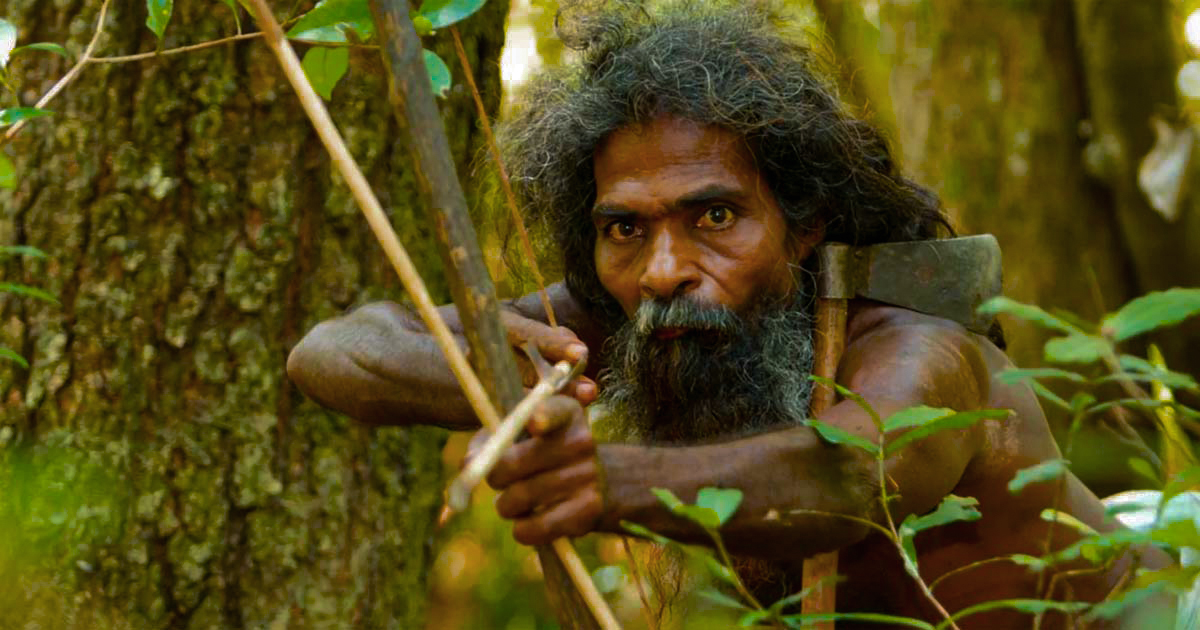
One of the most impressive demonstrations is the use of bows and arrows for hunting. Made from natural materials found in the forest, these weapons were once vital for survival. Visitors may witness skilled archers hitting precise targets, a reminder of how the tribe sustained itself through hunting. Some travelers are even invited to try their hand at archery under guidance, creating a memorable hands-on experience.
● Fire-Making Techniques
Another common demonstration is the art of fire-making without modern tools. Using sticks, stones, and natural fibers, the Veddhas show how fire was traditionally kindled. For travelers, watching flames emerge from simple friction is both fascinating and humbling. It reflects the ingenuity and resourcefulness of a community that thrived without modern conveniences.
● Honey Gathering and Forest Knowledge
The Veddhas are also known for their expertise in honey gathering, which is often demonstrated to visitors. They explain how honey is collected from forest hives using natural methods, and why it is valued not only as food but also as medicine. These demonstrations highlight the tribe’s extensive knowledge of forest resources, from edible plants to healing herbs.
● Dance and Rituals
Some demonstrations include traditional dances and rituals, performed to honor ancestral spirits or celebrate important occasions. These performances, often accompanied by chanting and rhythmic movements, give travelers a sense of the tribe’s spiritual connection with nature and their ancestors. While not staged for entertainment in the modern sense, these rituals are meaningful expressions of identity and belief.

● Tool and Craft Making
The Veddhas also demonstrate how they craft tools and household items from natural materials. From traps for small animals to simple wooden utensils, these demonstrations show how resourcefulness and skill shaped daily life. Such practices emphasize sustainability, as every item is created with respect for the forest.
● Importance of Respectful Observation
While demonstrations are meant for sharing, they must be approached with sensitivity. Travelers are encouraged to watch attentively, ask respectful questions, and avoid treating the events as spectacles. By appreciating the cultural significance behind each activity, visitors honor the tribe’s heritage and contribute to its preservation.
● Why These Demonstrations Matter
For foreign travelers, witnessing traditional demonstrations is an eye-opening experience. It provides context to the Veddhas’ survival in harmony with nature and offers a perspective rarely seen in modern tourism. For the tribe, sharing these practices helps ensure that their knowledge is valued and remembered, even in a rapidly changing world.
● Conclusion
Traditional demonstrations by the Veddha community are more than cultural displays—they are living lessons in resilience, creativity, and respect for nature. From archery to fire-making and ritual dances, each practice reveals a different facet of Sri Lanka’s indigenous heritage. For visitors, observing these demonstrations is a chance to connect with the island’s past while supporting the preservation of a culture that continues to inspire.