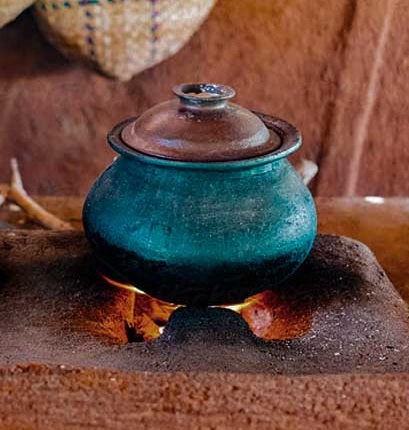
Traditional Clay Pot Meals – A Deep Dive Into Sri Lanka’s Ancient Cooking Heritage
● Introduction Traditional clay pot meals represent one of the most authentic culinary traditions in Sri Lanka. For...

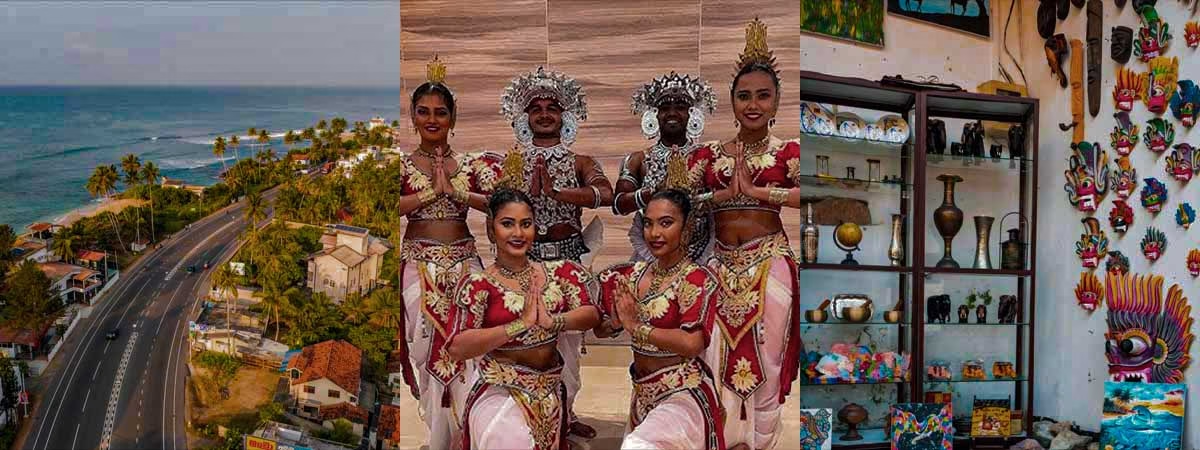
Sri Lanka’s UNESCO World Heritage sites are not simply historic monuments — they are landscapes where civilization, spirituality, and nature have evolved together for thousands of years. From ancient royal capitals and sacred temples to rainforest ecosystems and colonial coastal towns, these places reveal how deeply culture and environment are intertwined on the island.
This journey connects Sri Lanka’s most significant heritage locations in a natural and unhurried flow. Beginning in the dry-zone kingdoms of the Cultural Triangle, continuing through the spiritual highlands and tea country, and ending on the southern coast, the experience gradually reveals the island’s historical and cultural depth.
Rather than rushing between sites, this itinerary allows travelers to understand context — how ancient irrigation supported kingdoms, how religion shaped cities, how colonial trade influenced architecture, and how biodiversity continues to define Sri Lanka’s landscapes.
With private guiding, carefully selected hotels, and balanced travel days, this is a journey through Sri Lanka’s heritage that feels immersive, thoughtful, and deeply memorable
Distance: ~170 km | Travel Time: 4–4.5 hrs
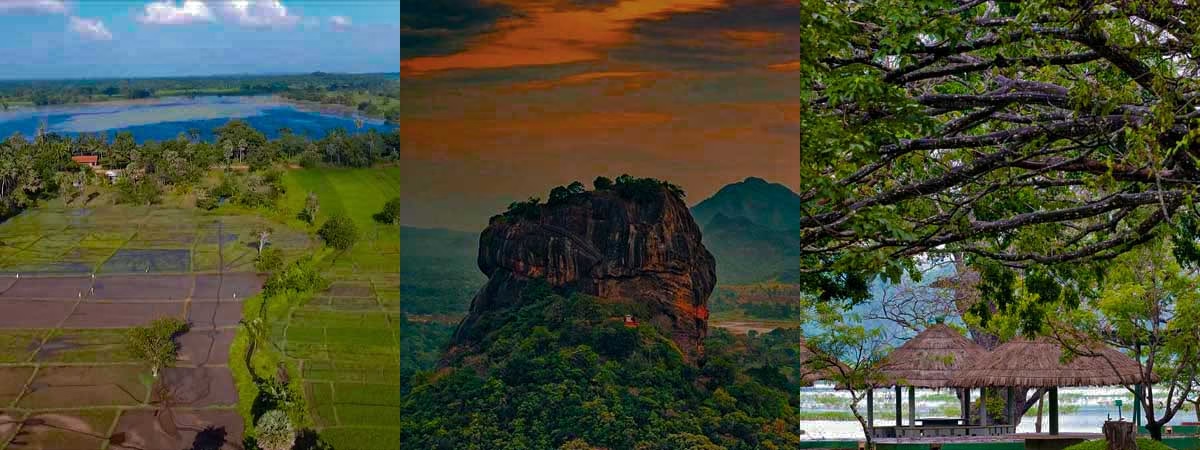
After arrival, travel inland toward Sri Lanka’s Cultural Triangle, where the island’s earliest civilizations flourished. The drive gradually leaves the busy western plains behind, revealing farmland, forest reserves, and shimmering irrigation lakes built by ancient kings more than a thousand years ago.
These reservoirs, known locally as wewas, remain central to rural life today, supporting rice cultivation and village communities much as they did centuries ago. The landscape feels expansive and calm, offering a gentle introduction to the island’s interior.
The afternoon is intentionally unstructured, allowing time to rest, adjust to the climate, and settle into the slower rhythm of Sri Lanka’s countryside.
Highlights
Activities
Hotel: Habarana Village | Sigiriya Village | Elephas Resort
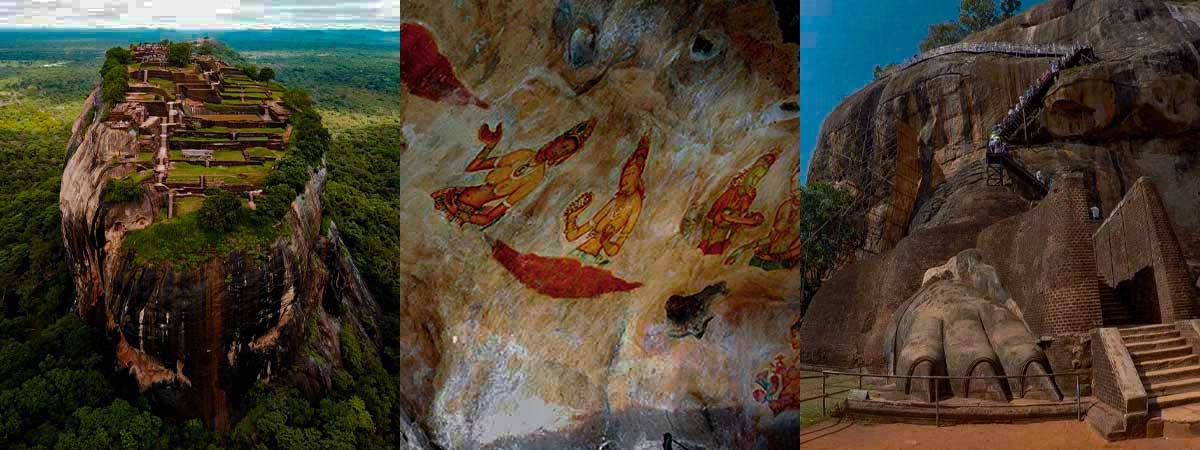
Sigiriya rises dramatically from the surrounding plains — a towering rock fortress built in the 5th century by King Kashyapa. More than a royal palace, Sigiriya represents one of Asia’s most remarkable examples of urban planning and landscape design.
The ascent begins through symmetrical water gardens and stone pathways before reaching frescoes painted delicately onto the rock face. These paintings, preserved for centuries, still reflect the artistic sophistication of the ancient kingdom. Higher up, the massive Lion’s Paw entrance marks the final climb to the summit.
From the top, the Cultural Triangle stretches endlessly — forests, lakes, and farmland blending into the horizon. The experience combines archaeology, nature, and engineering in a way few sites in the world can match.
In the afternoon, the surrounding countryside offers a quiet contrast to the grandeur of the fortress.
Highlights
Activities
Hotel: Habarana Village | Sigiriya Village | Elephas Resort
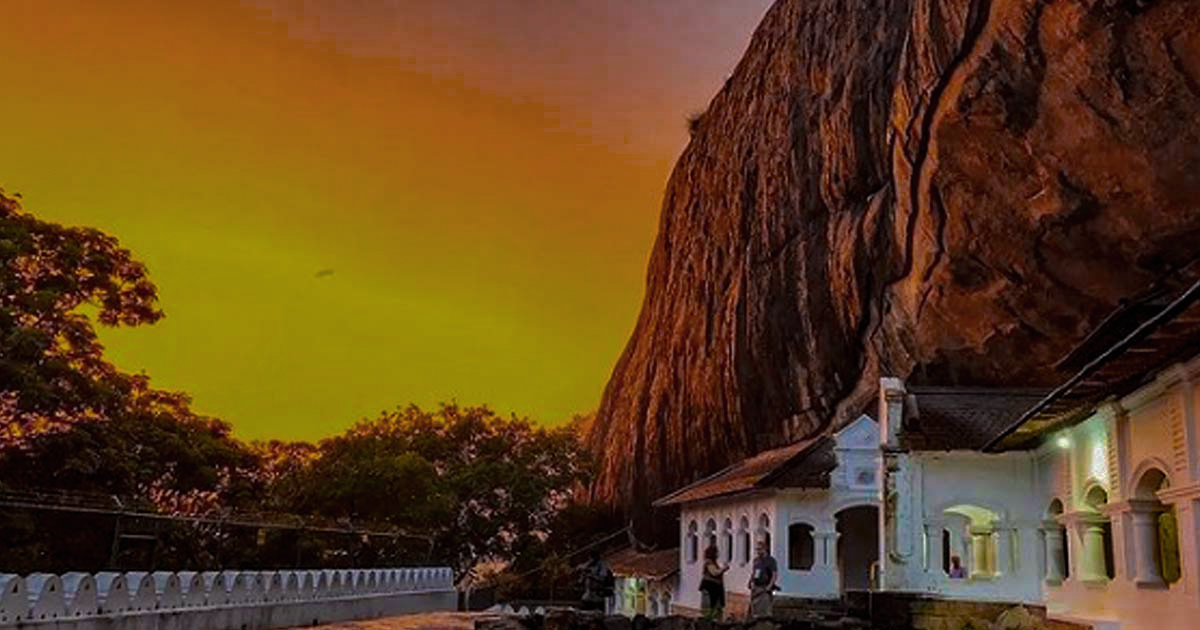
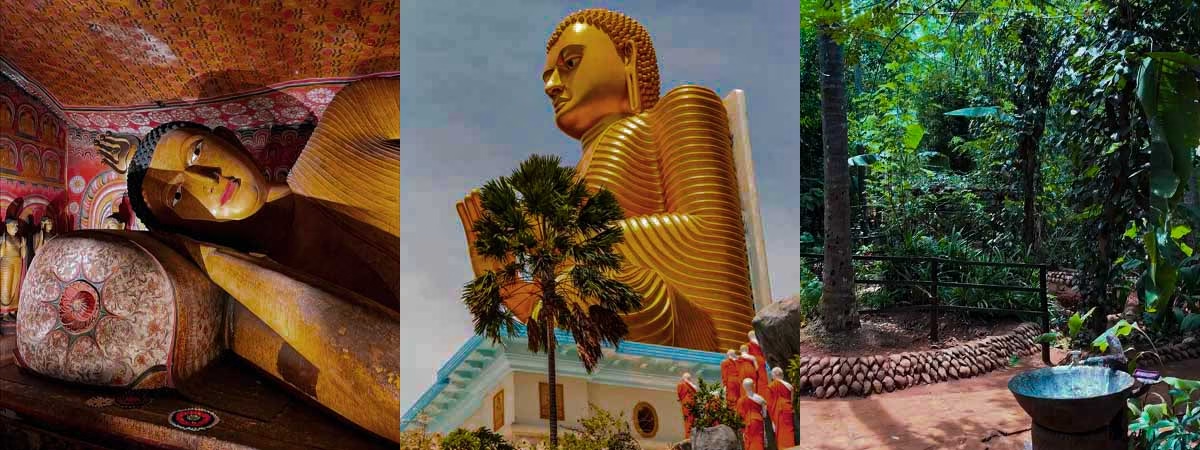
The day begins at the Dambulla Cave Temple, a sacred complex carved into a rock overhang. Inside, five cave shrines are filled with Buddha statues and painted ceilings that cover nearly every surface. The murals, some over 2,000 years old, create a quiet, contemplative atmosphere where history and devotion feel inseparable.
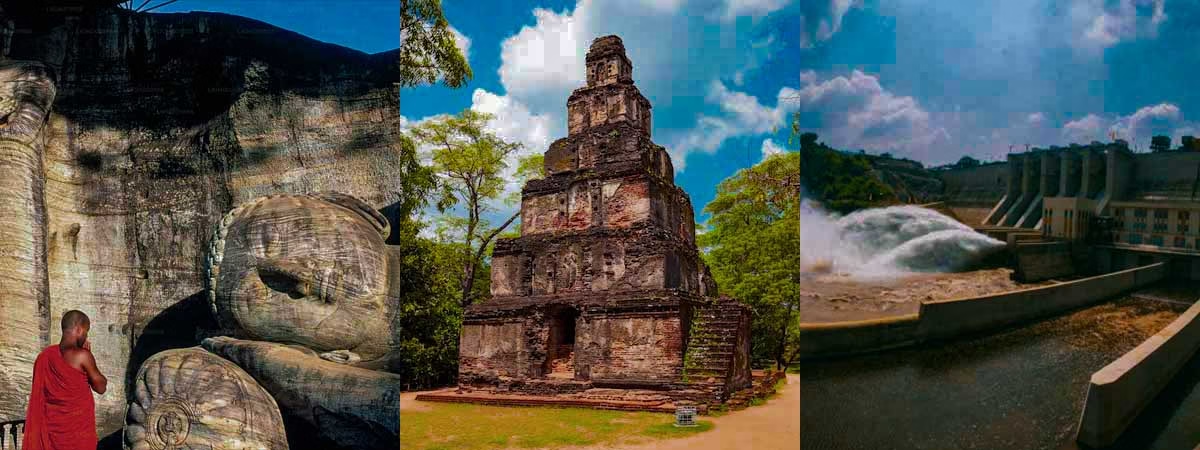
Later, travel to Polonnaruwa, the medieval capital of Sri Lanka. Unlike Anuradhapura’s vast sacred landscape, Polonnaruwa feels more structured — its palaces, temples, and reservoirs reflecting the planning of a powerful kingdom.
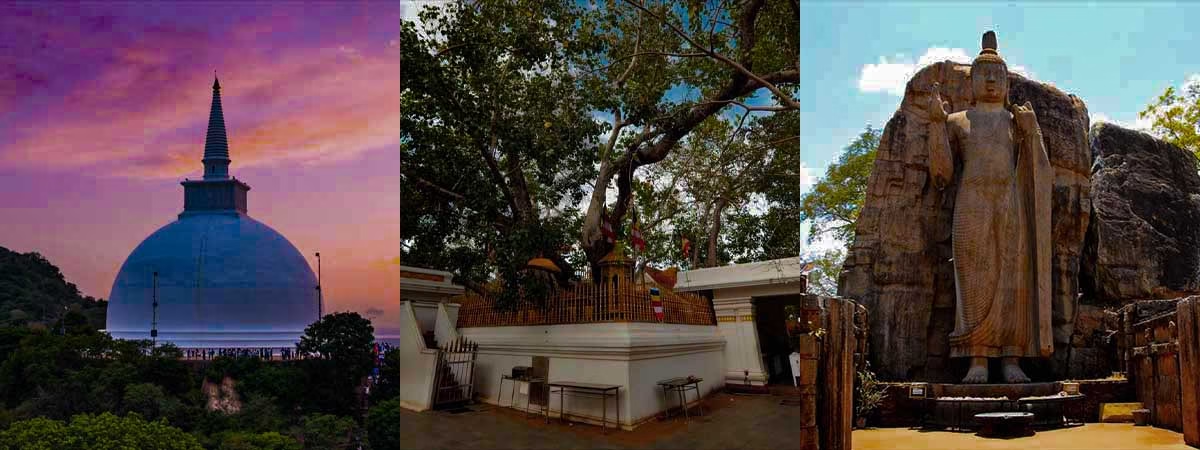
The Gal Vihara statues, carved directly from granite, are among the most moving artistic works in Sri Lanka. Their simplicity and scale create a sense of stillness that defines the entire site.
Highlights
Activities
Hotel: Habarana Village | Sigiriya Village | Elephas Resort
Anuradhapura represents the spiritual and political foundation of Sri Lankan civilization. Spread across a vast area of forest and open land, the city’s sacred stupas and monasteries reflect more than a thousand years of continuous religious life.
The Sri Maha Bodhi tree — grown from a cutting of the tree under which the Buddha attained enlightenment — continues to draw pilgrims every day. Massive stupas like Ruwanwelisaya and Jetavanaramaya dominate the skyline, symbols of devotion and architectural ambition.
Despite its scale, Anuradhapura feels peaceful. Monks, pilgrims, and local families move quietly through the sacred spaces, maintaining traditions that have existed for centuries.
Highlights
Activities
Hotel: Habarana Village | Sigiriya Village | Elephas Resort
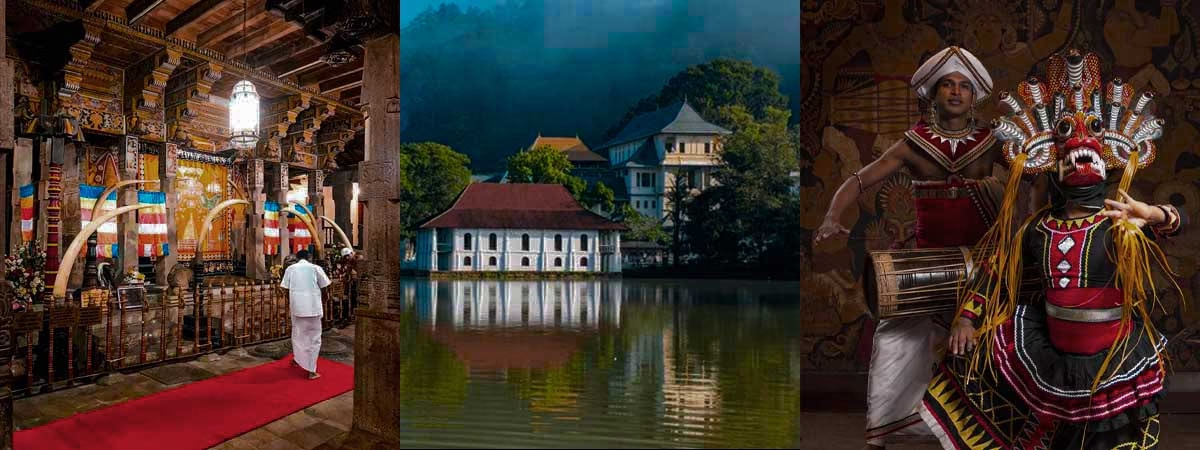
Travel south toward Kandy, the final royal capital of Sri Lanka. The journey passes villages, spice gardens, and forested hills before reaching the lakeside city.
Kandy remains Sri Lanka’s spiritual center. The Temple of the Sacred Tooth Relic is one of the most important Buddhist pilgrimage sites in the world, and evening worship rituals continue daily as they have for centuries.
The city’s lake, hills, and colonial buildings create a setting that feels both historic and alive.
Highlights
Activities
Hotel: Fox Kandy | Cinnamon Citadel | Theva Residency
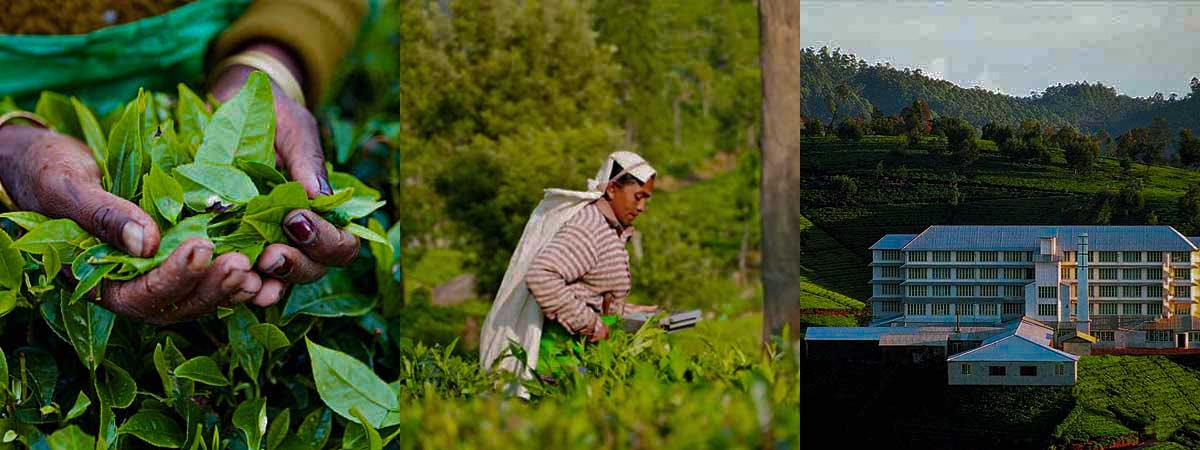
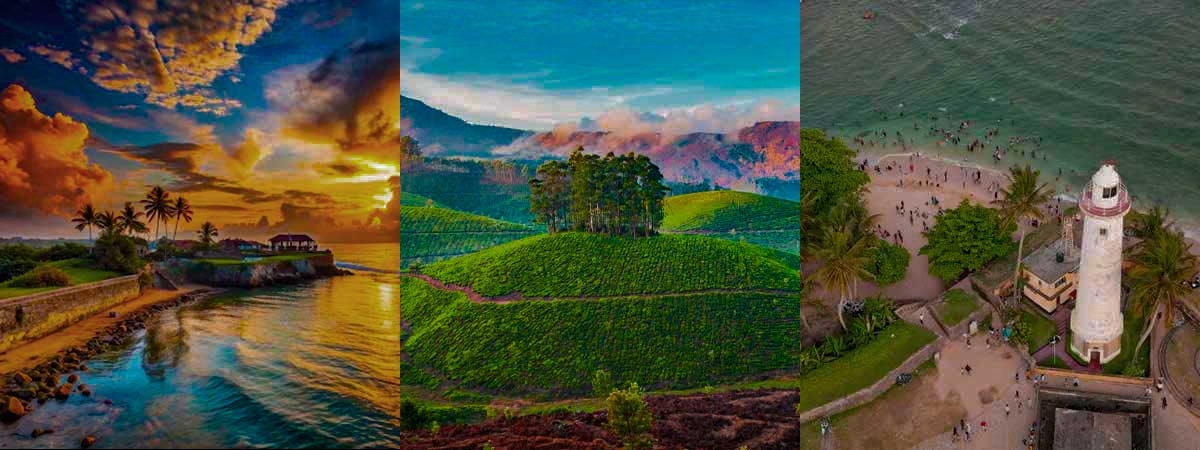
Ascending into Sri Lanka’s central highlands reveals a dramatic change in landscape. Tea plantations blanket the hills, their orderly patterns contrasting with mist-covered valleys and forest patches.
Tea was introduced during British colonial rule, transforming the economy and environment of the region. Visiting a plantation offers insight into this history while connecting travelers to Sri Lanka’s most famous export — Ceylon Tea.
The cooler climate and slower pace make the highlands feel restorative and peaceful.
Highlights
Activities
Hotel: The Blackpool | Oak Ray Tea Bush | Araliya Red
Horton Plains is one of Sri Lanka’s most unique ecosystems — a high-altitude plateau of grassland and cloud forest. The early morning walk leads through mist-covered trails to World’s End, a dramatic cliff with views stretching across the southern plains.
Wildlife moves quietly through the landscape, and the cool air carries the scent of forest and grassland. The environment feels remote and untouched, offering a different perspective of Sri Lanka’s natural heritage.
Highlights
Activities
Hotel: Highland hotel
Descending from the mountains, the scenery gradually shifts from tea estates to tropical coastline. Palm trees replace pine forests, and warm sea air replaces the cool highland breeze.
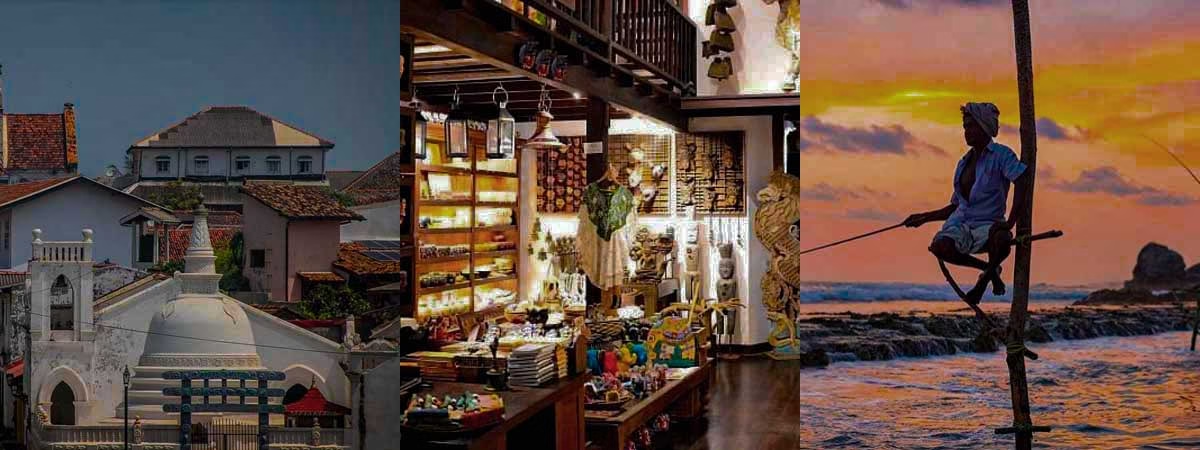
Arrive in Galle Fort, where colonial architecture reflects centuries of maritime trade between Europe and Asia. Stone ramparts overlook the Indian Ocean, and narrow streets reveal churches, homes, and cafés within the fortified walls.
Highlights
Activities
Hotel: Mango House | Fort Bliss | The Bartizan
Galle Fort remains a living town rather than a preserved monument. Dutch-era buildings, art galleries, and small cafés create a relaxed atmosphere inside the historic walls.
Walking through the fort reveals layers of history — Portuguese foundations, Dutch planning, and British influence — all preserved beside the ocean.
The day is unhurried, allowing time to explore at your own pace.
Highlights
Activities
Hotel: Mango House | Fort Bliss | The Bartizan
After breakfast, transfer to the airport.
The journey ends having connected Sri Lanka’s ancient kingdoms, sacred landscapes, colonial heritage, and natural ecosystems — a complete introduction to the island’s UNESCO heritage.