
● Introduction
Sri Lanka’s hill country is famous worldwide for its lush tea estates and rolling green landscapes. Among the many experiences travelers can enjoy here, tea plucking stands out as both authentic and interactive. For those who want to go beyond simply drinking Ceylon Tea, tea plucking provides a chance to step into the shoes of local workers and understand the artistry behind every cup. It is not just a tourist activity; it is a cultural and educational journey that connects visitors with one of Sri Lanka’s most iconic traditions.
● The History Behind Tea in Sri Lanka
Tea was introduced to Sri Lanka by the British in the 19th century, and since then, it has become a cornerstone of the island’s economy and identity. The cool climate, fertile soil, and misty hills of regions such as Nuwara Eliya, Ella, and Hatton create the perfect conditions for high-quality tea cultivation. Today, Sri Lanka is one of the world’s leading tea exporters, with millions of kilograms shipped across the globe each year. Yet behind this global industry lies the meticulous process of tea plucking, carried out largely by skilled estate workers.
● Learning the Art of Plucking
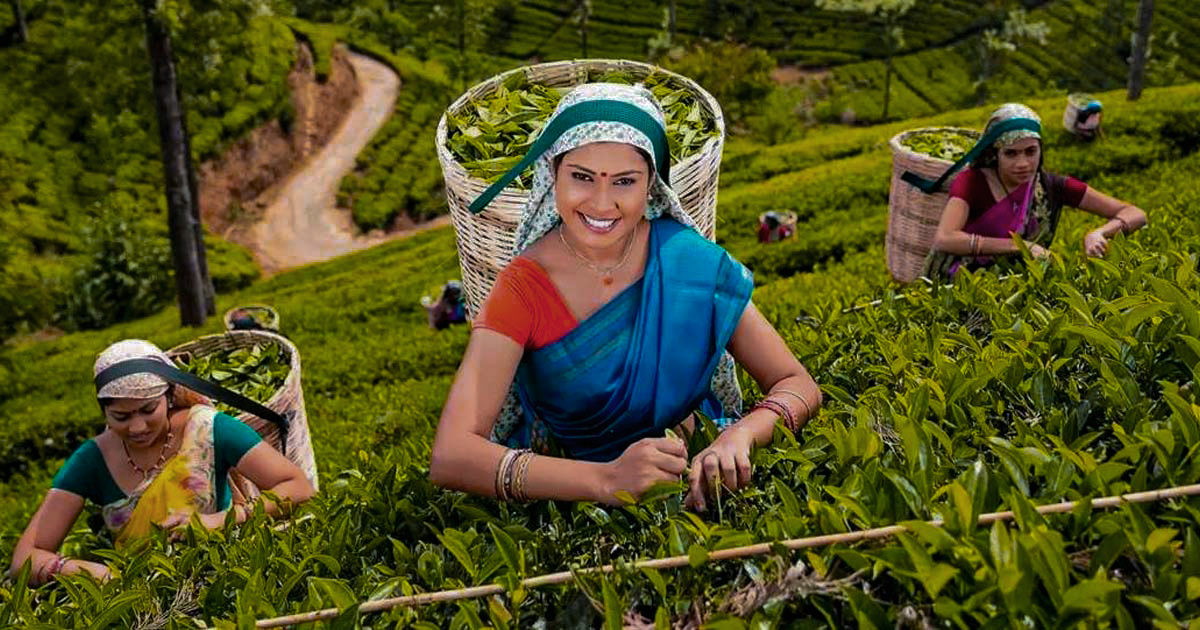
When visitors arrive at a tea estate, they are often welcomed by women dressed in traditional attire with large baskets strapped to their backs. These estate workers demonstrate the correct technique for plucking tea leaves. Only the tender top two leaves and the bud are picked, as these are considered the finest quality for producing premium Ceylon Tea. Travelers are given the chance to try this method themselves, realizing quickly that it requires precision and patience.
The activity becomes more than just a demonstration; it is a hands-on learning experience. By bending among the rows of tea bushes, feeling the leaves between their fingers, and carefully placing them into baskets, visitors gain a deeper respect for the workers whose livelihoods depend on this skill.
● Cultural Significance
Tea plucking is not only about harvesting leaves but also about preserving a lifestyle that has shaped Sri Lanka’s hill country for generations. Estate communities often live near the plantations, and their daily rhythms are tied to the cycle of tea cultivation. Participating in tea plucking allows visitors to witness this culture firsthand, offering a glimpse into a way of life that has remained constant despite modernization.
● A Rewarding Experience for Travelers
Many tea estates complement the plucking experience with tours of the fields, explanations of tea grading, and opportunities to interact with workers. Travelers often describe the activity as eye-opening, realizing how much labor and expertise goes into creating the tea they enjoy daily. Photographs taken during tea plucking sessions also capture the beauty of the landscape, with endless green hills stretching into the distance.
● Best Places to Try Tea Plucking
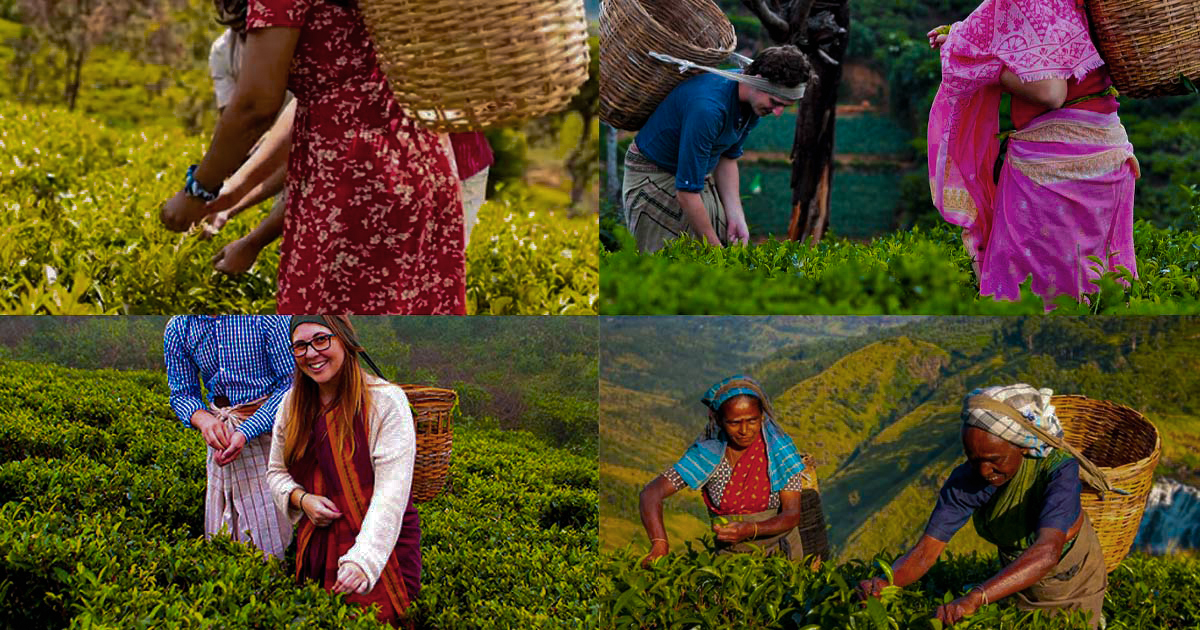
Popular destinations for this activity include Nuwara Eliya, Ella, Hatton, and Kandy. Well-known estates often organize guided experiences where tourists can pluck tea, wear traditional attire, and even compete in friendly challenges to see who gathers the most leaves. Some estates also combine plucking with a tea-tasting session, giving visitors the chance to enjoy the results of their hard work.
● Why Tea Plucking Matters
For foreign travelers, tea plucking is more than a fun excursion—it is a cultural immersion. It provides context to Sri Lanka’s reputation as a world leader in tea production and connects visitors directly with the land and its people. The activity highlights themes of tradition, sustainability, and human skill, making it a must-do for anyone visiting the hill country.
● Conclusion
Tea plucking in Sri Lanka is a journey into the heart of the island’s heritage. It combines history, culture, and hands-on learning into a single unforgettable experience. Whether in the misty hills of Nuwara Eliya or the scenic slopes of Ella, travelers walk away with more than just memories—they gain a true appreciation for the delicate craft that produces one of the world’s finest teas.