
● Introduction
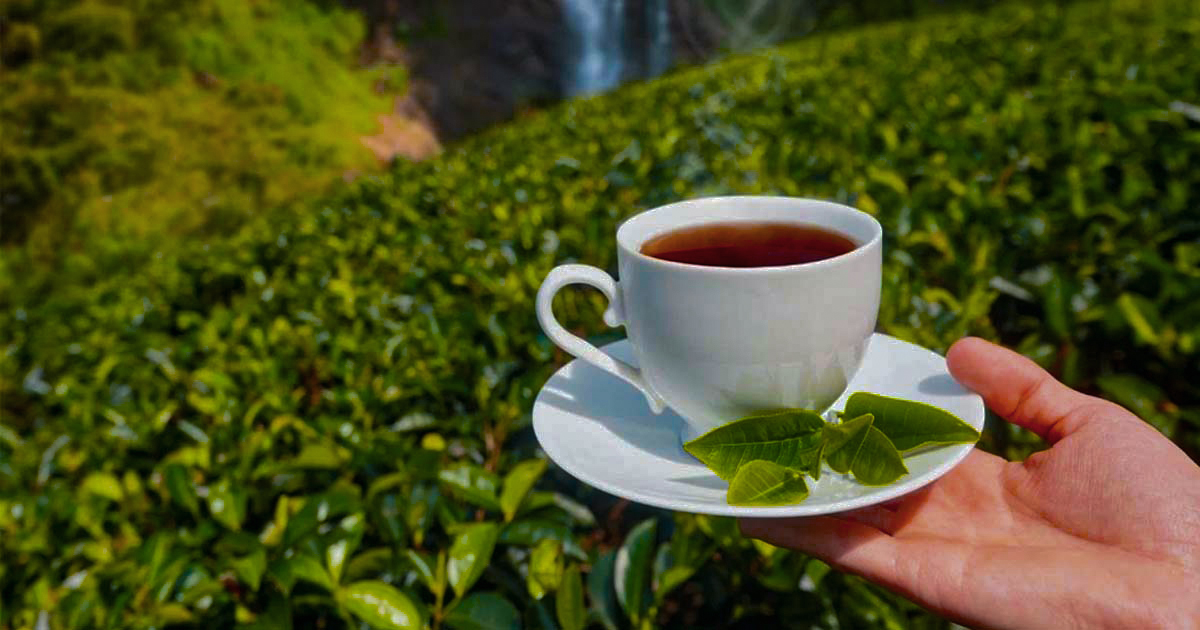
Ceylon Tea is one of Sri Lanka’s greatest gifts to the world. Known for its rich aroma, distinctive flavor, and global reputation for quality, it has become a symbol of the island’s culture and identity. For travelers, tasting Ceylon Tea at its source is more than just sampling a drink—it is an exploration of history, tradition, and artistry. Whether enjoyed in a tea estate’s tasting room or sipped in a cozy hillside café, the experience leaves a lasting impression of authenticity and refinement.
● The Origins of Ceylon Tea
Tea cultivation in Sri Lanka began in the 19th century, when British planters introduced tea to replace coffee after a devastating crop disease. Since then, the island has grown into one of the world’s leading tea exporters. The term “Ceylon Tea” has become synonymous with quality, carrying a reputation for purity and flavor that distinguishes it from teas produced elsewhere. Each region of Sri Lanka produces tea with unique characteristics, shaped by altitude, soil, and climate.
● The Tasting Experience
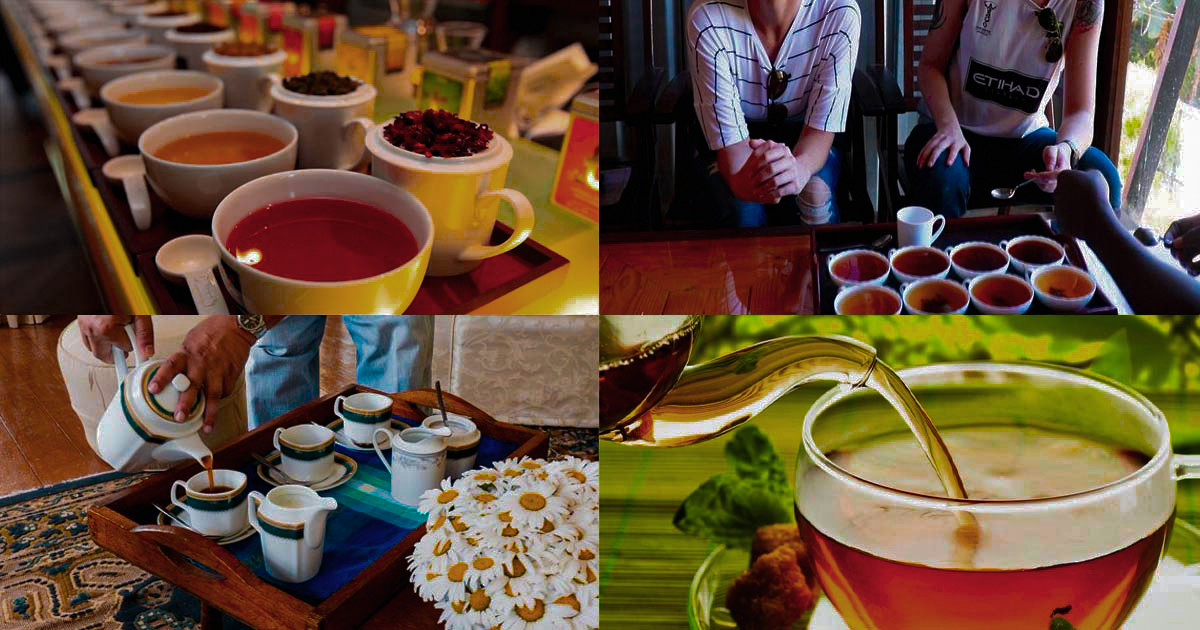
When visitors arrive at a tea estate, the tasting process is presented much like wine tasting. Experienced tea masters guide them through a variety of teas, explaining the subtle differences between them. Travelers are often surprised by the diversity of flavors, ranging from light and floral to strong and malty.
The process typically includes:
- Observation: Evaluating the color and clarity of brewed tea.
- Aroma: Smelling the leaves and infusion to detect distinctive notes.
- Tasting: Taking a sip and letting the flavor coat the palate before noting its body, texture, and aftertaste.
This ritual transforms tea drinking into an educational and sensory experience.
● Regional Varieties
One of the highlights of tasting Ceylon Tea is discovering the unique profiles from different regions:
- Nuwara Eliya: Known for delicate, light teas with a floral character.
- Uva: Produces teas with a distinctive, mellow flavor.
- Kandy: Offers medium-bodied teas with a balanced taste.
- Dimbula: Famous for brisk teas with a fresh aroma.
- Ruhuna: Known for strong, full-bodied teas.
Travelers often try samples from multiple regions, allowing them to appreciate the diversity within the label “Ceylon Tea.”
● Pairing Tea with Local Foods
Some estates enhance the tasting experience by pairing teas with traditional Sri Lankan snacks. Light teas may be served with sweet treats like jaggery or coconut-based sweets, while stronger teas are paired with savory items. This pairing not only highlights the tea’s character but also ties the experience to local culinary traditions.
● Taking the Experience Home
After tasting, most visitors purchase teas directly from the estate shops. These packets often carry the “Lion Logo,” which certifies genuine Ceylon Tea. For many travelers, buying tea at the source adds value, as it guarantees authenticity and preserves the memory of the tasting experience long after returning home.
● Why Tasting Matters
For foreign travelers, tasting Ceylon Tea in Sri Lanka offers more than a refreshing drink—it provides cultural depth and appreciation. It connects them to the island’s history, showcases regional diversity, and deepens understanding of why Ceylon Tea is globally admired.
● Conclusion
Tasting Ceylon Tea in Sri Lanka is a sensory journey that combines flavor, history, and culture. It allows travelers to discover the artistry behind each cup and appreciate the dedication of generations of tea growers. For anyone visiting the island, this experience is an essential part of understanding what makes Sri Lanka truly unique.