
● Introduction
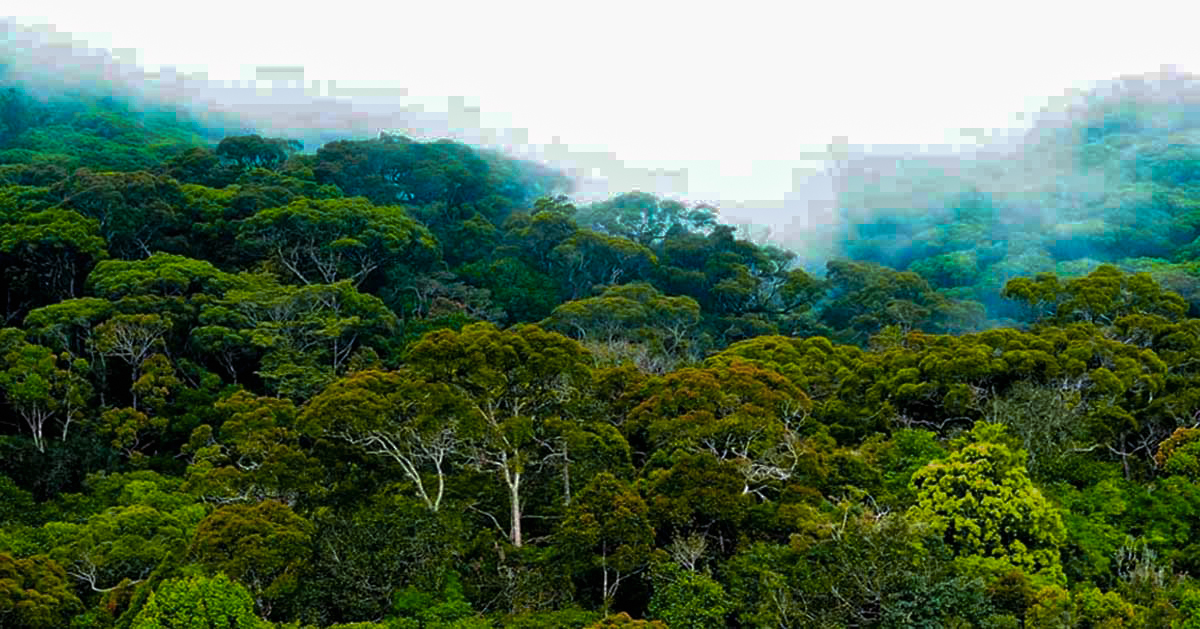
Hidden deep within the wet zone of Sri Lanka, the Sinharaja Rain Forest is the island’s crown jewel of biodiversity and a UNESCO World Heritage Site. Covering more than 11,000 hectares across Sabaragamuwa and Southern Provinces, Sinharaja is often described as a “living museum” of flora and fauna. Unlike many forests around the world, Sinharaja remains largely untouched, offering foreign travelers an authentic glimpse into one of the most pristine ecosystems on Earth.
● Why Visit Sinharaja Rain Forest?
Sinharaja is world-renowned for its endemic wildlife. More than 60% of the trees are found nowhere else, and the forest shelters over 20 endemic bird species, countless reptiles, amphibians, and mammals. It’s a paradise for naturalists, photographers, and eco-tourists. For visitors seeking a true jungle adventure, Sinharaja offers misty trails, rushing streams, and the chance to witness nature at its purest.
What makes Sinharaja special is its peaceful atmosphere. There are no large-scale developments or tourist crowds. Instead, visitors experience the forest in its natural state—serene, mysterious, and full of life.
● Hiking and Exploration
The forest has several trekking routes, ranging from short guided walks to full-day hikes. Popular trails lead to Mulawella Peak, offering panoramic views of the green canopy, or to Sinhagala Rock, which is steeped in legend and history. Trails are often shaded, but the tropical humidity and occasional rain showers add to the rainforest adventure.
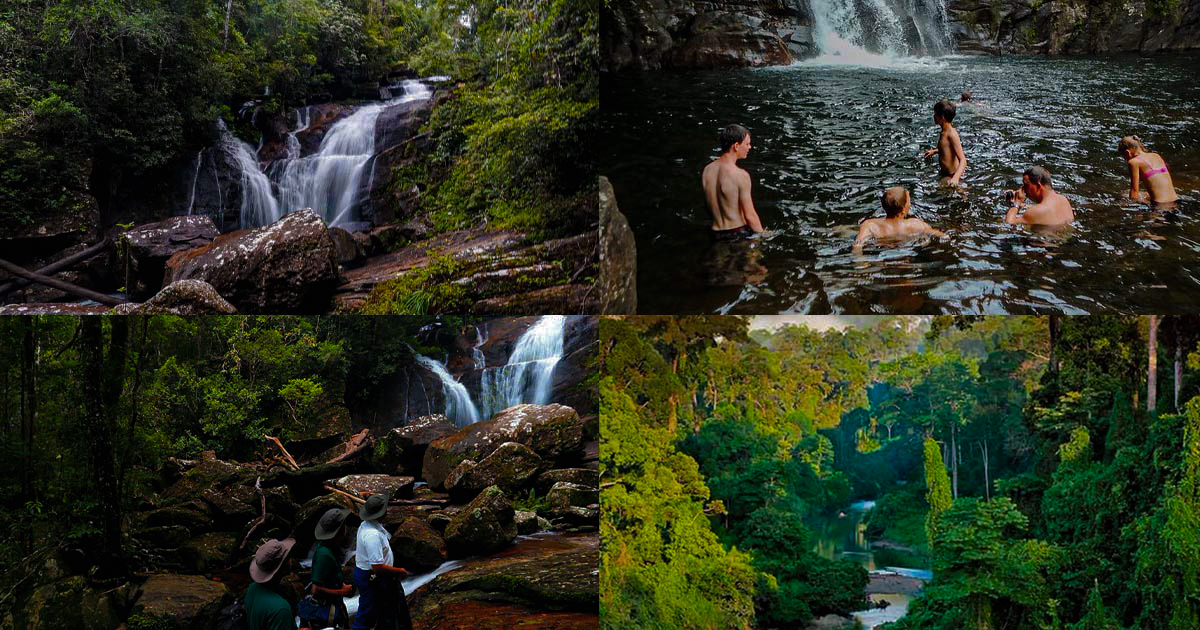
Waterfalls like Kudawa Ella and Doowili Falls are hidden gems within the reserve, rewarding hikers with cool, refreshing breaks. Natural pools also provide opportunities to relax after long treks.
● Wildlife Encounters
Sinharaja is famous for its “bird waves”—large mixed-species flocks that move through the forest together. Birdwatchers can spot rare species such as the Sri Lanka Blue Magpie, Sri Lanka Hanging Parrot, and the Green-billed Coucal. Mammals include purple-faced langurs, giant squirrels, and even the elusive Sri Lankan leopard, although sightings are rare.
For insect lovers, Sinharaja is home to a dazzling array of butterflies and unique amphibians found only in Sri Lanka. Every step in the forest reveals something new.
● Eco-Tourism and Community
Local villages surrounding Sinharaja play an important role in conservation. Many tours are guided by locals who share knowledge about medicinal plants, traditional uses of forest resources, and cultural legends tied to the land. By choosing community-led tours, visitors not only enjoy a more authentic experience but also directly support conservation and local livelihoods.
● Travel Tips for Foreign Visitors
- Best Time to Visit: January to March and August to September are the driest periods.
- What to Bring: Hiking boots, raincoats, insect repellent, and a camera with waterproof protection.
- Guides: Hiring a licensed guide is compulsory, ensuring safety and conservation compliance.
- Accessibility: The forest can be accessed via Kudawa (Kalawana side) or Deniyaya, both of which have facilities for visitors.
● Why Sinharaja Deserves a Place on Your Itinerary
For those who dream of walking through an ancient rainforest, Sinharaja is unmatched. Its rich biodiversity, immersive trekking experiences, and cultural connections make it a must-visit for foreign travelers seeking more than just beaches or cities in Sri Lanka.