
● Introduction
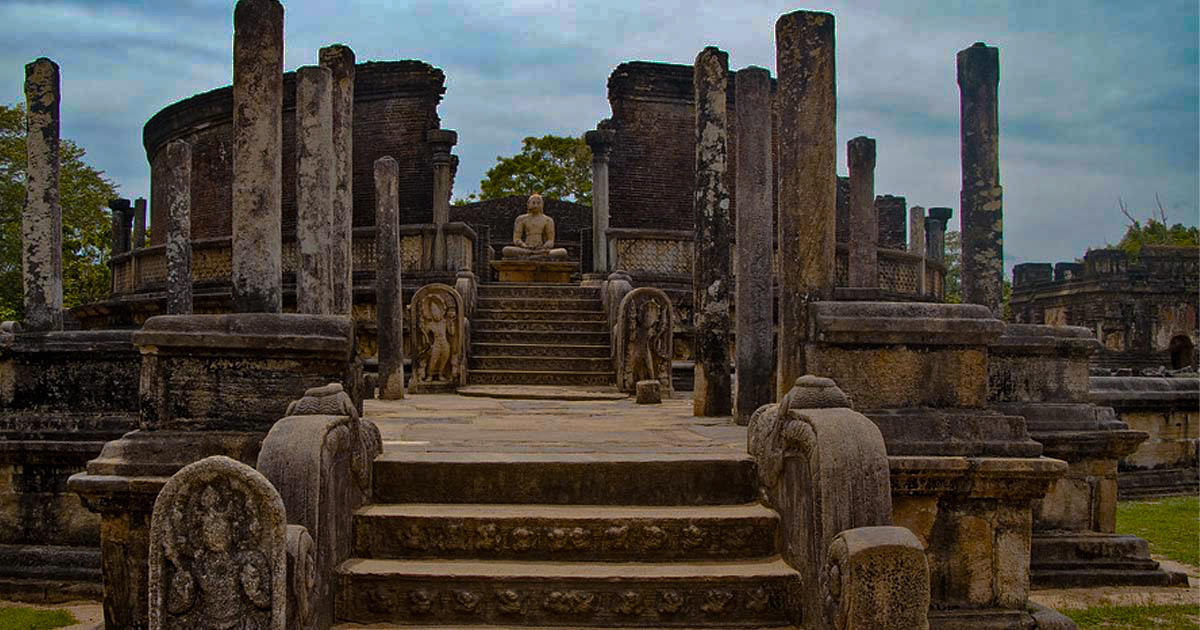
The Polonnaruwa Ancient Ruins form one of Sri Lanka’s most impressive historical sites, offering travelers a glimpse into the island’s medieval past. Recognized as a UNESCO World Heritage Site, Polonnaruwa served as Sri Lanka’s royal capital during the 11th to 13th centuries. Today, the ruins of palaces, temples, monasteries, and statues make it a fascinating destination for foreign travelers interested in cultural heritage, history, and architecture.
● Historical Background
After the decline of Anuradhapura, Polonnaruwa rose as the second capital of Sri Lanka under King Vijayabahu I in the 11th century. It was during the reign of King Parakramabahu I (1153–1186) that the city reached its peak. Known for his visionary leadership, Parakramabahu transformed Polonnaruwa into a thriving center of politics, religion, and trade. His most famous achievement was the Parakrama Samudra, an enormous reservoir that remains vital to agriculture even today.
● Architectural and Cultural Highlights
The Polonnaruwa ruins cover a vast area, reflecting the grandeur of its medieval glory. Key attractions include:
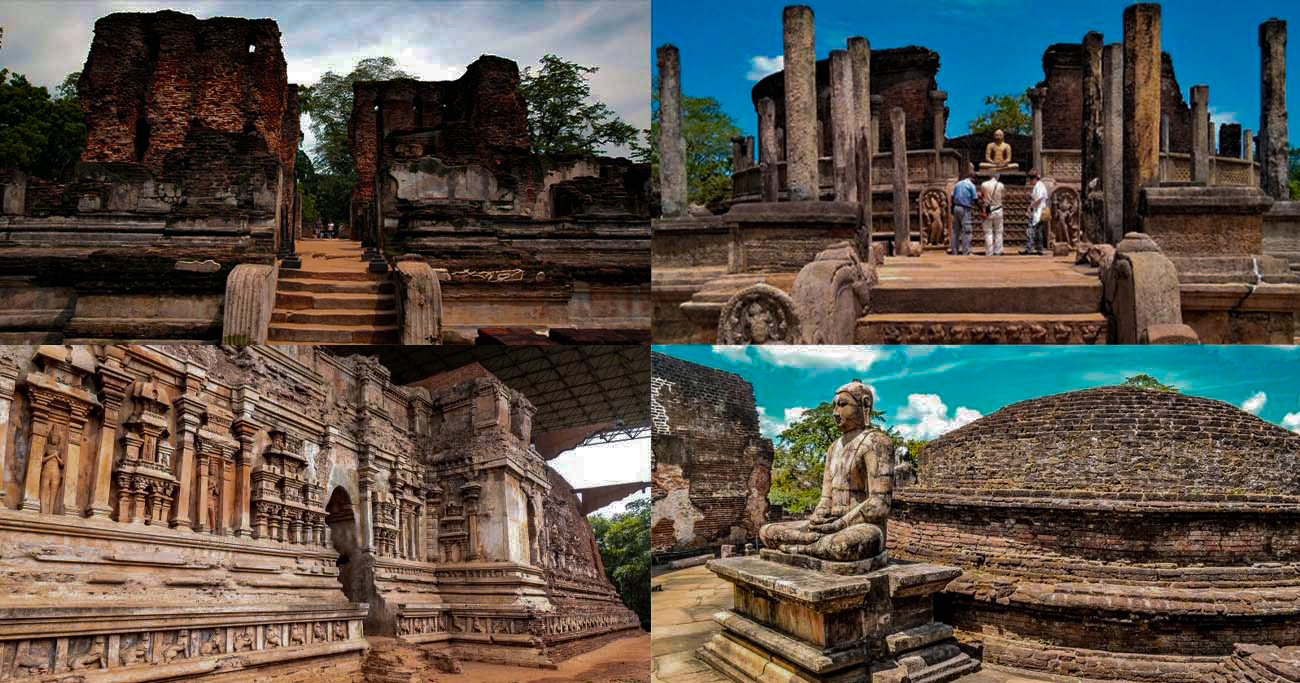
- Royal Palace Complex: Built by King Parakramabahu, this once-magnificent palace is believed to have had seven stories and over a thousand rooms. Today, its foundations and towering walls hint at its former grandeur.
- Gal Vihara: A masterpiece of Sinhalese rock carving, this temple features four giant Buddha statues carved into a single granite outcrop. The reclining, seated, and standing figures are considered some of the finest examples of Buddhist sculpture in Asia.
- Vatadage: A circular relic house that once protected the Buddha’s tooth relic. Its elegant design, stone carvings, and guardstones remain a highlight of Sri Lankan architecture.
- Rankoth Vehera: A massive stupa that stands as a symbol of Polonnaruwa’s religious significance.
- Lankathilaka Image House: A colossal standing Buddha statue housed within towering brick walls, showcasing the scale of medieval craftsmanship.
● Religious and Cultural Importance
Polonnaruwa was not only a political capital but also a major religious center. The city was home to Buddhist monasteries, Hindu shrines, and international influences from South India and beyond. The coexistence of multiple faiths in the ruins reflects Sri Lanka’s role as a cultural crossroads. For foreign travelers, exploring these sacred sites provides insight into the island’s spiritual diversity.
● The Parakrama Samudra and Ancient Engineering
One of the greatest achievements of Polonnaruwa is its irrigation system. The Parakrama Samudra, also known as the Sea of Parakrama, is a massive man-made reservoir covering over 2,500 hectares. It symbolizes the engineering genius of ancient Sri Lanka and Parakramabahu’s famous declaration: “Let not even a drop of rainwater go to the sea without being made useful to man.” This system supported agriculture and sustained the capital’s population, making Polonnaruwa a model of sustainable development in the ancient world.
● Exploring the Ruins
Travelers can explore the ruins by bicycle, tuk-tuk, or guided tour. The site is divided into several zones, each with distinct highlights, from royal complexes to religious monuments. A full day is recommended to cover the main attractions, but even a few hours reveal the scale and sophistication of this medieval capital. The well-preserved nature of the ruins allows visitors to imagine what life might have been like during Polonnaruwa’s golden age.
● Best Time to Visit
The best time to explore Polonnaruwa is during the dry season from May to September, when the weather is more favorable. Early mornings and late afternoons provide cooler conditions for sightseeing. The ruins are spread across a large area, so carrying water, sunscreen, and comfortable footwear is essential.
● Travel Tips for Visitors
- Purchase an entry ticket at the main museum before starting your tour.
- Hire a guide or use an audio guide to fully appreciate the historical context.
- Dress modestly when visiting temples or shrines.
- Carry a camera, as the ruins and sculptures provide excellent photography opportunities.
- Allow sufficient time to explore the Gal Vihara, as it is the most famous highlight.
● Why Visit Polonnaruwa Ancient Ruins?
For foreign travelers, Polonnaruwa offers a chance to explore Sri Lanka’s medieval past through its art, architecture, and spirituality. Unlike the more sprawling ruins of Anuradhapura, Polonnaruwa’s layout is more compact and easier to navigate, making it ideal for visitors. Its combination of monumental structures, advanced engineering, and cultural depth makes it one of the most rewarding destinations in Sri Lanka.
● Conclusion
A visit to the Polonnaruwa Ancient Ruins is a journey into the heart of Sri Lanka’s medieval history. From the majestic Gal Vihara statues to the vast Parakrama Samudra reservoir, the site reflects the brilliance of a civilization that thrived centuries ago. For travelers seeking to connect with the island’s cultural heritage, Polonnaruwa delivers an unforgettable experience that blends history, spirituality, and artistry.