
● Introduction
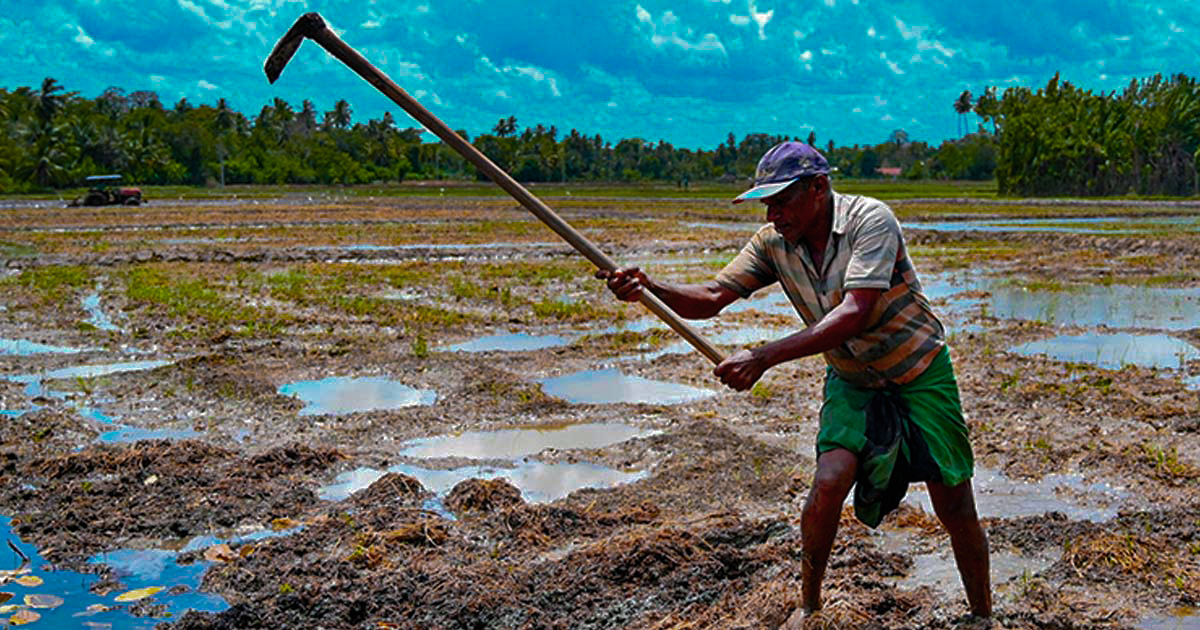
Organic farming has become one of the most meaningful and responsible travel experiences for visitors seeking a deeper connection with Sri Lanka’s environment and culture. As global interest in sustainability grows, Sri Lanka has emerged as an ideal destination to learn about natural agriculture, traditional farming methods, and eco-friendly food production. For foreign travelers, exploring organic farms is not only educational but also a way to support rural communities and participate in environmentally conscious tourism.● The Essence of Organic Farming
Unlike conventional agriculture, organic farming in Sri Lanka focuses on natural growth cycles, biodiversity, and soil health. Farmers avoid synthetic fertilizers, pesticides, and chemicals. Instead, they use compost, herbal mixtures, and time-tested traditional practices passed down through generations. These methods result in healthier crops, cleaner soil, and reduced environmental damage. Sri Lanka’s tropical climate and rich soil make the island particularly suitable for organic production. Tea, spices, fruits, vegetables, and herbs are among the most commonly grown organic products. Many farms welcome visitors to observe their techniques, participate in farming activities, and learn about sustainable food systems.● Experiencing Organic Farms as a Traveler
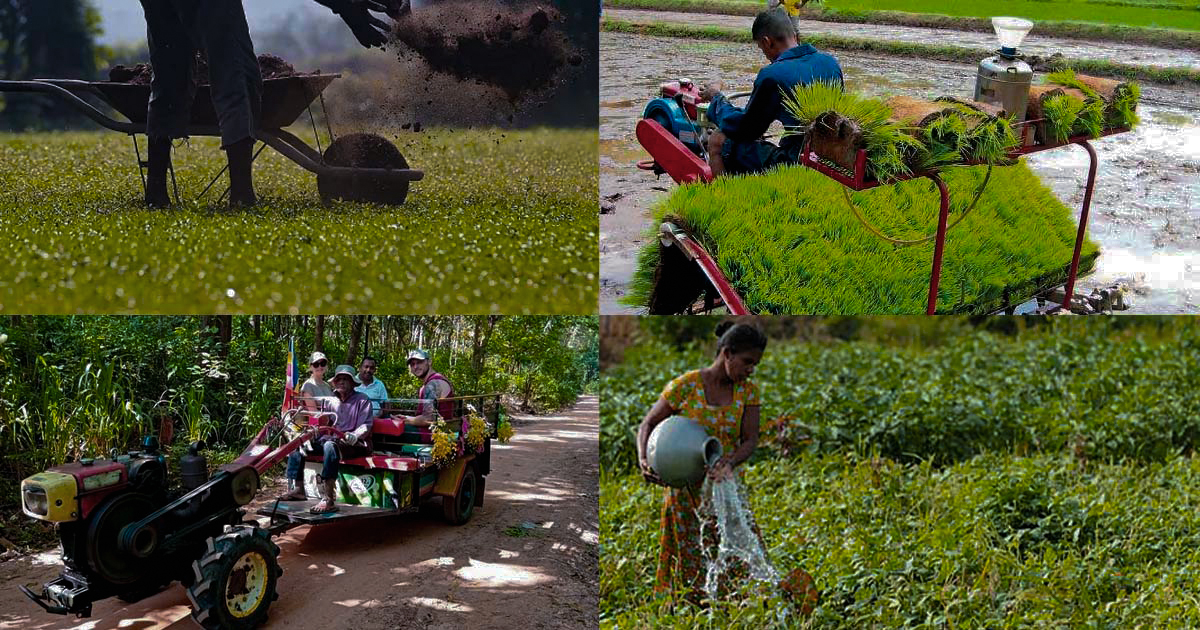
Visitors to organic farms often begin their tours with a walk through lush fields filled with vegetables, medicinal plants, and fruit trees. Guides explain how natural fertilizers are prepared using compost and how traditional pest control methods rely on plants like neem and garlic. Travelers can even participate in hands-on activities such as planting, compost making, or harvesting seasonal crops. Some farms also offer cooking classes that showcase how organic ingredients are transformed into Sri Lankan dishes. This gives travelers a chance to taste fresh, chemical-free produce while learning about local flavors and nutrition.● Supporting Local Communities
Many organic farms in Sri Lanka operate as community-based enterprises. Families and small villages rely on organic agriculture to sustain their livelihoods, and hosting visitors helps generate additional income. When travelers purchase farm products—such as spices, teas, or natural oils—they directly support these communities. Eco-conscious visitors often appreciate the transparency of these farms. They can see exactly how their food is grown and understand the importance of ethical, fair-trade practices. The emphasis on community welfare adds a meaningful dimension to the travel experience.● Environmental Benefits
Organic farming plays a key role in promoting responsible tourism by reducing environmental impact. Its benefits include:- Restoring soil fertility
- Reducing pollution in rivers and lakes
- Protecting insects, birds, and wildlife
- Promoting crop diversity
- Reducing carbon emissions associated with chemical fertilizers
● Popular Organic Farm Regions
- Kandy & Central Highlands – Spice gardens & vegetable farms
- Ella, Bandarawela, Haputale – Organic tea & herbs
- Matale & Dambulla – Fruits, grains & spices
- Galle & Matara – Eco-farms with tropical fruits & coconut-based products
● Learning Traditional Farming Knowledge
Sri Lanka has a long history of sustainable farming practices rooted in Ayurveda and ancient traditions. Many organic farms preserve these methods, allowing travelers to learn:- How farmers use lunar cycles to plant & harvest
- Natural pest repellents made from leaves & spices
- The role of ancient irrigation systems like tank-based water management
● Best Time to Visit
Organic farms can be visited year-round, but the most vibrant months are during Sri Lanka’s primary growing seasons:- Hill country farms flourish from December to April.
- Low-country tropical farms thrive from May to September.
● Travel Tips for Travelers
- Wear comfortable clothing for walking through fields.
- Bring a hat, sunscreen & mosquito repellent.
- Be prepared for hands-on activities.
- Support the farm by purchasing products directly.