
● Introduction
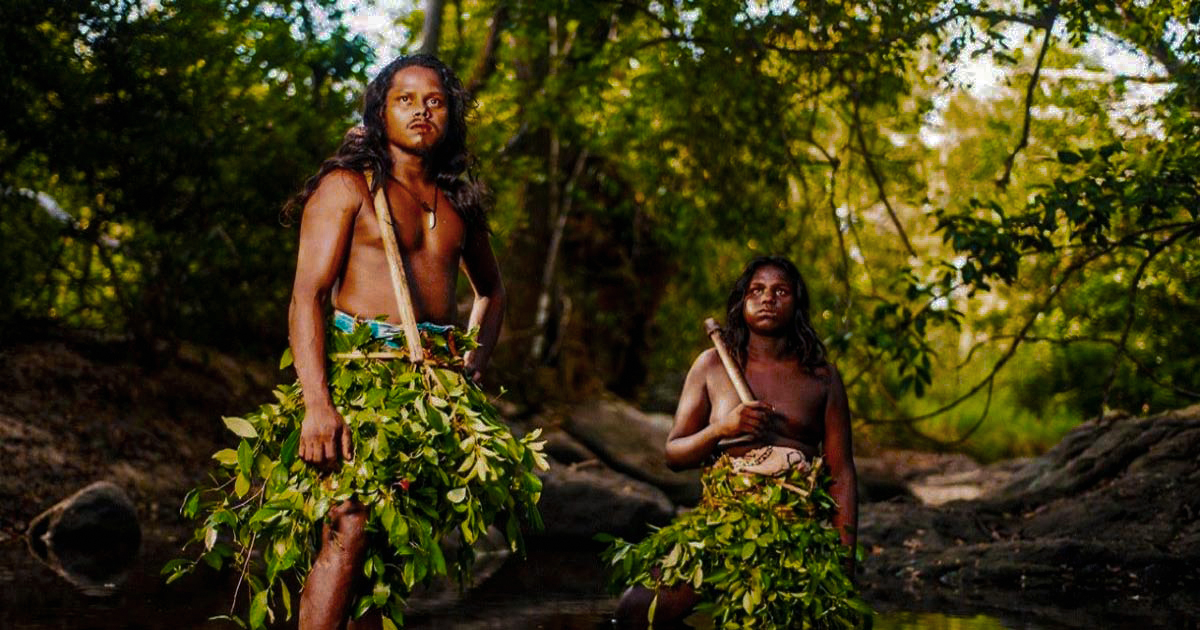
Nestled deep within the forests of Sri Lanka’s Uva Province lies Dambana, a small village that holds immense cultural significance. This is the home of the Veddha people, Sri Lanka’s last indigenous tribe. For travelers seeking more than just beaches and wildlife safaris, meeting the Veddha tribe offers a unique opportunity to step into a world where traditions and customs have been preserved for thousands of years. Dambana provides a rare glimpse into a way of life that is both simple and deeply connected to nature.
● Who Are the Veddhas?
The Veddhas are believed to be the island’s earliest inhabitants, tracing their ancestry back thousands of years. Their identity is built around a hunter-gatherer lifestyle, with deep respect for the forest and its resources. Unlike modern communities, the Veddhas have historically relied on bow-and-arrow hunting, fishing, and foraging for their daily survival. Although modernization has reached most parts of Sri Lanka, the Veddhas in Dambana continue to preserve their culture and rituals, allowing visitors to experience an ancient way of life still alive today.
● Arrival in Dambana
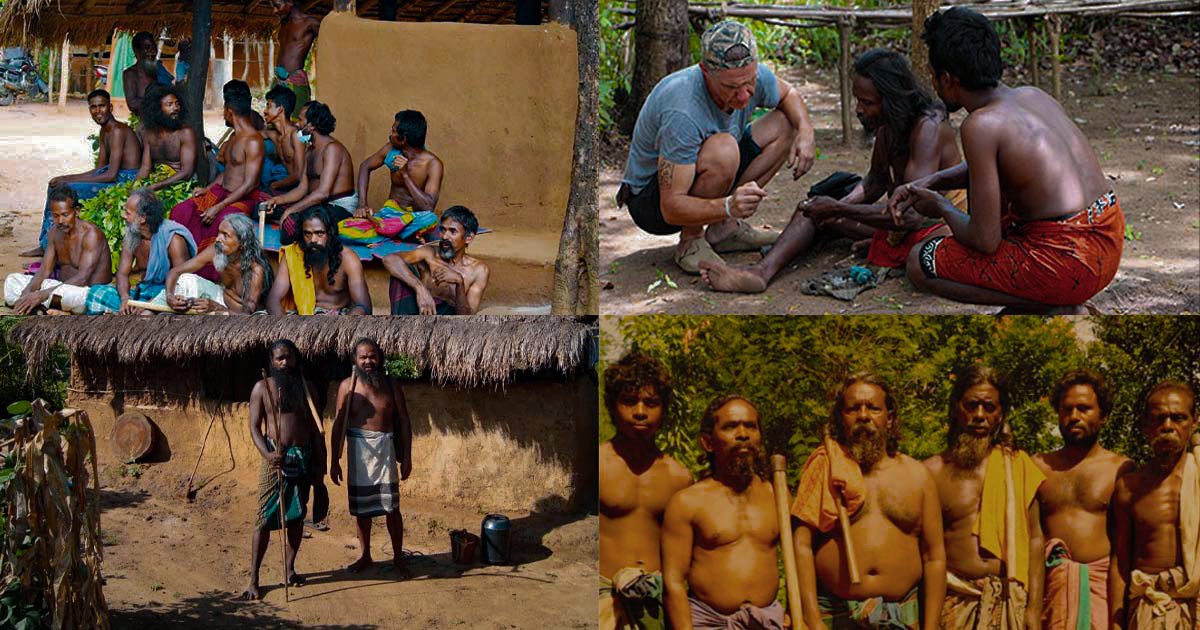
Traveling to Dambana itself feels like a journey back in time. Surrounded by dense forest and rustic landscapes, the village remains untouched by the chaos of urban development. When visitors arrive, they are greeted by members of the tribe, often dressed in their traditional attire. Their hospitality is warm, and though many of them now speak Sinhala or even a few words of English, their unique dialect still survives among elders.
● Traditional Lifestyle and Practices
Meeting the tribe allows travelers to learn about their daily practices, many of which are tied to the forest. Hunting is still carried out with handmade bows and arrows, and visitors are often given a demonstration of their remarkable skills. Gathering wild honey is another important tradition, considered both a food source and a medicine. Storytelling around a fire is a vital cultural practice, where elders pass down myths, legends, and knowledge of the natural world to the younger generation.
The Veddhas also maintain a spiritual connection with their environment. They believe in ancestral worship and conduct rituals to honor the spirits of the forest. Travelers may witness or hear about these ceremonies, which reveal the tribe’s close bond with nature and its cycles.
● Interaction With Visitors
One of the highlights of visiting Dambana is the chance to interact directly with the Veddha people. They often demonstrate archery, show how traps are set for small animals, and explain the medicinal use of forest plants. While these practices may seem simple, they represent centuries of survival knowledge. Travelers are encouraged to engage respectfully, ask questions, and observe how the tribe’s wisdom is rooted in sustainability and harmony with the land.
Some visitors are invited to join a short walk through the forest, guided by the Veddhas themselves. These treks reveal edible plants, animal tracks, and sacred sites. Such experiences go beyond sightseeing; they provide deeper understanding of how humans and nature coexist.
● The Challenges of Modernization
While the Veddhas continue to hold onto their traditions, they also face challenges from the outside world. Government resettlement programs and economic pressures have altered parts of their lifestyle. Farming and tourism have been introduced as alternative livelihoods. However, many in the community are determined to keep their ancestral identity alive. For travelers, this adds urgency to the experience—visiting Dambana is not only a cultural journey but also a way of supporting the preservation of an ancient heritage.
● Why Visit Dambana?
For foreign visitors, meeting the Veddha tribe is more than just an excursion. It is a cultural exchange that broadens understanding of Sri Lanka’s history and diversity. Unlike other destinations, this experience cannot be replicated elsewhere, as it is tied to the land, people, and traditions of this specific community. The visit leaves travelers with lasting impressions of resilience, simplicity, and the importance of protecting cultural heritage.