
● Introduction
On Sri Lanka’s southeastern coast lies one of the country’s most fascinating wildlife destinations: Kumana National Park. Often overshadowed by its famous neighbor, Yala, Kumana is a quieter sanctuary that attracts travelers seeking authentic nature experiences. Known for its thriving birdlife, lush lagoons, and less-crowded safari routes, the park is a paradise for birdwatchers and wildlife enthusiasts alike. For foreign travelers who wish to explore beyond mainstream attractions, Kumana offers a unique safari experience filled with rare sightings and tranquil landscapes.
● A Sanctuary for Birds
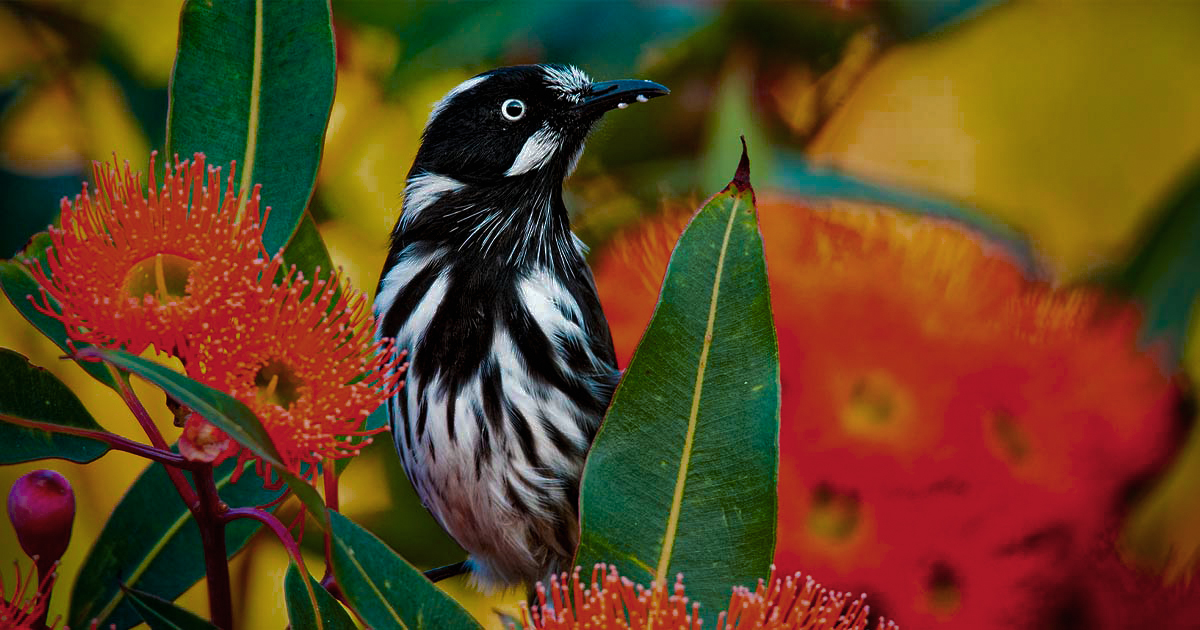
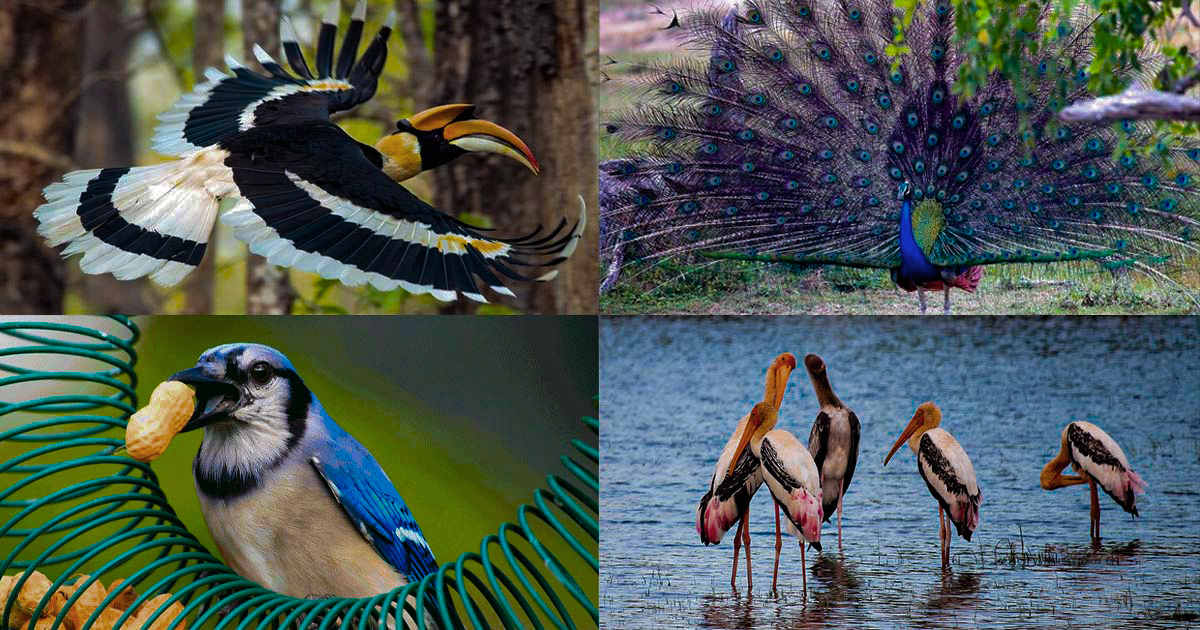
Kumana National Park is globally recognized as a premier bird sanctuary. The park is home to more than 250 species of birds, making it one of the best places in Asia for birdwatching. Migratory birds from as far as Siberia and the Himalayas arrive here between April and July, creating a spectacular seasonal display. Visitors may encounter painted storks, black-necked storks, Eurasian spoonbills, pelicans, and the rare black-capped purple kingfisher. The iconic Kumana Villu lagoon, a 200-hectare swamp lake, is the heart of this avian activity. This shallow wetland provides nesting and feeding grounds for countless bird species, making every safari drive a rewarding experience for photographers and nature lovers.
● Wildlife Beyond Birds
Although Kumana is famous for its birdlife, the park also shelters a remarkable variety of other wildlife. Safari-goers have the chance to see elephants, golden jackals, wild boar, and the occasional leopard crossing the scrublands. The park is also home to crocodiles, turtles, and numerous species of fish in its waterways. Herds of spotted deer and sambar deer graze along the plains, while the elusive sloth bear may be spotted in the denser forest patches. This rich biodiversity ensures that every safari offers more than just birdwatching—it is a full wildlife adventure.
● The Landscape and Ecosystem
Covering an area of more than 35,000 hectares, Kumana National Park is defined by lagoons, mangroves, and dry-zone forest. Its coastal location gives it a unique mix of ecosystems compared to other parks in Sri Lanka. Shimmering water bodies such as lagoons and villus (natural swamp lakes) create thriving habitats for aquatic birds and reptiles. The park’s dry grasslands and scattered rocky outcrops are ideal for spotting mammals, while mangrove swamps and thick forest areas provide shelter for smaller species. This diverse environment makes Kumana an excellent place for eco-tourism and nature exploration.
● Safari Experience in Kumana
A safari in Kumana feels more intimate compared to busier national parks. With fewer vehicles on the tracks, travelers can enjoy long stretches of wilderness undisturbed. Jeep safaris typically take place in the early morning or late afternoon, when wildlife is most active. The park’s terrain allows for a mix of slow drives near lagoons for birdwatching and faster routes through scrubland for mammal sightings. Local guides are knowledgeable about the best viewing spots, and they often share stories about the park’s history and wildlife behavior. For photographers, the golden light reflecting over lagoons at sunrise and sunset creates stunning backdrops for wildlife shots.
● Why Visit Kumana National Park?
For foreign travelers, Kumana offers an experience that blends tranquility, biodiversity, and cultural richness. Unlike crowded safari destinations, it allows visitors to connect deeply with nature. The park not only delivers spectacular birdwatching opportunities but also surprises with elephants, leopards, and other iconic Sri Lankan wildlife. For those seeking an off-the-beaten-path adventure, Kumana National Park is a destination that promises unforgettable memories.