
● Introduction
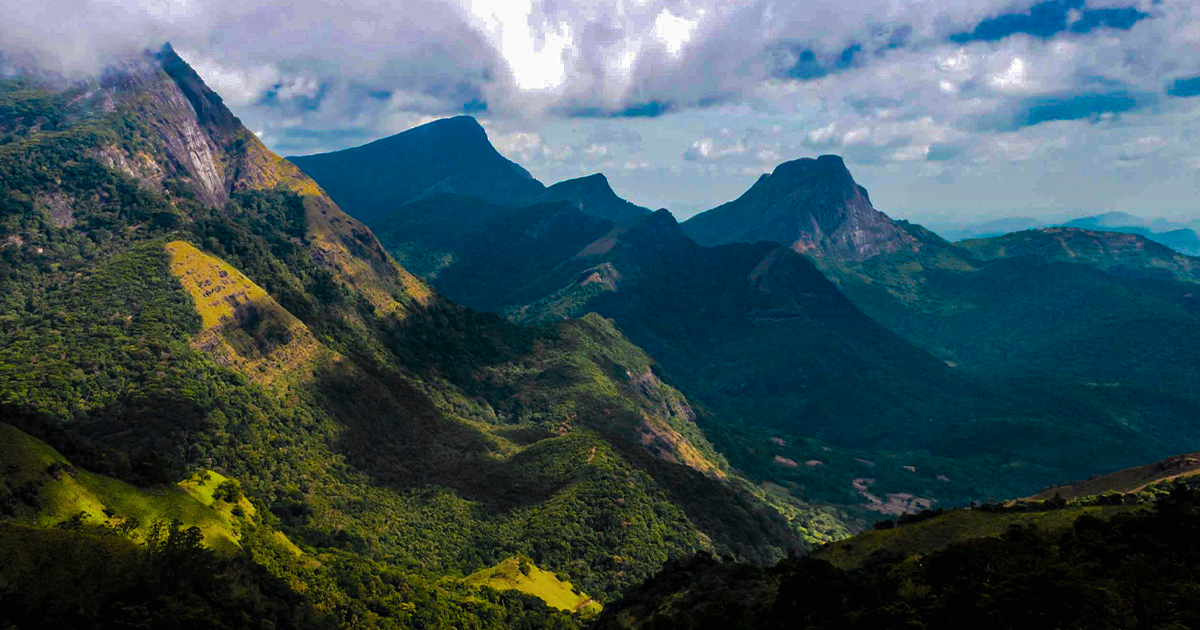
Rising dramatically in central Sri Lanka, the Knuckles Mountain Range is one of the island’s most spectacular natural landscapes. Named for its resemblance to a clenched fist when viewed from certain angles, this UNESCO World Heritage Site is a paradise for hikers, nature lovers, and adventure seekers. For foreign travelers, a journey through the Knuckles offers misty trails, hidden waterfalls, and a chance to immerse in the island’s highland wilderness.
● Why Visit the Knuckles Mountain Range?
Unlike more crowded destinations, the Knuckles region remains relatively untouched. It is celebrated for its rich biodiversity, cultural heritage, and challenging trekking routes. Covering over 155 square kilometers, the range stretches across Kandy and Matale districts, with peaks rising above 1,800 meters. The cooler climate, combined with sweeping views and diverse ecosystems, makes Knuckles a favorite destination for eco-tourists and hikers alike.
● Hiking and Trekking Trails
The Knuckles offer some of the most rewarding trekking experiences in Sri Lanka. Trails range from half-day hikes to multi-day camping adventures. Popular routes include:
- Mini World’s End: A viewpoint offering dramatic cliffs and panoramic views of the surrounding valleys.
- Knuckles Peak: The highest point in the range, rewarding hikers with breathtaking 360-degree vistas.
- Dothalugala Trail: Known for its forest paths, birdwatching opportunities, and peaceful surroundings.
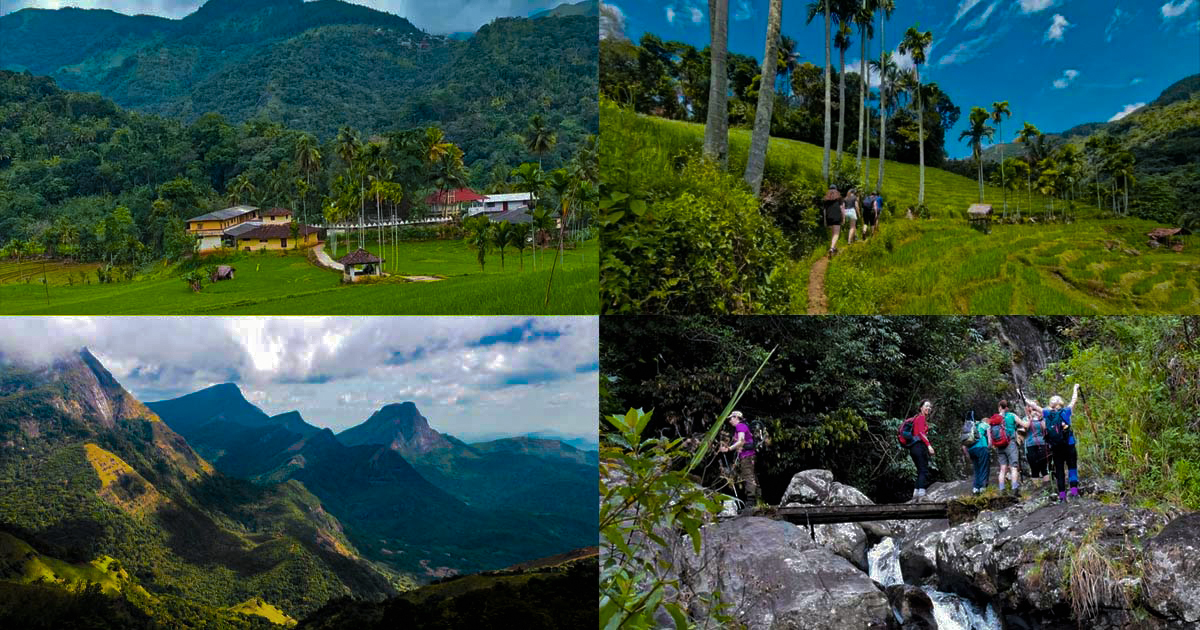
Hiking here requires stamina, as the terrain includes steep ascents, slippery rocks, and dense jungle. However, the effort is rewarded with unforgettable scenery and encounters with unique flora and fauna.
● Biodiversity and Wildlife
The Knuckles Mountain Range is a biodiversity hotspot, home to a wide variety of endemic species. Birdwatchers may spot the Sri Lanka bush warbler, yellow-eared bulbul, and the rare Sri Lanka wood pigeon. Mammals include purple-faced langurs, sambar deer, and wild boar.
The plant life is equally fascinating, with cloud forests, grasslands, and montane vegetation thriving in the cool climate. Many of these species are endemic to Sri Lanka, making the Knuckles an important conservation area.
● Waterfalls and Scenic Beauty
Hidden within the Knuckles are numerous waterfalls and streams that add to the beauty of the hikes. Cascades such as Duwili Ella and Sera Ella provide refreshing stops along the trails. The mist that often blankets the mountains enhances the mystical atmosphere, making the range feel like a natural wonderland.
● Cultural and Local Experiences
The Knuckles are not just about nature; they are also home to small rural communities that preserve traditional Sri Lankan lifestyles. Villages such as Meemure and Pitawala are gateways to the mountains, offering travelers a chance to experience authentic hospitality. Visitors can learn about paddy farming, spice cultivation, and age-old customs that have been passed down for generations.
● Best Time to Visit
The best months to hike in the Knuckles are from December to March and June to September, when rainfall is lower and skies are clearer. Mornings are often the best time to start hikes, as mist tends to roll in by midday, obscuring the views.
● Travel Tips for Visitors
- Hire an experienced local guide, as trails are often unmarked and can be challenging.
- Carry sufficient water, snacks, and a first-aid kit for longer treks.
- Wear sturdy hiking boots and layered clothing to adapt to shifting temperatures.
- Respect local communities and avoid disturbing wildlife.
- Overnight camping requires special permission, so plan in advance.
● Why Travelers Love the Knuckles
For foreign travelers, the Knuckles represent adventure at its finest. It is a destination where you can disconnect from modern life and reconnect with nature. The combination of stunning landscapes, cultural immersion, and physical challenge makes it one of the most memorable hiking experiences in Sri Lanka.