
● Introduction
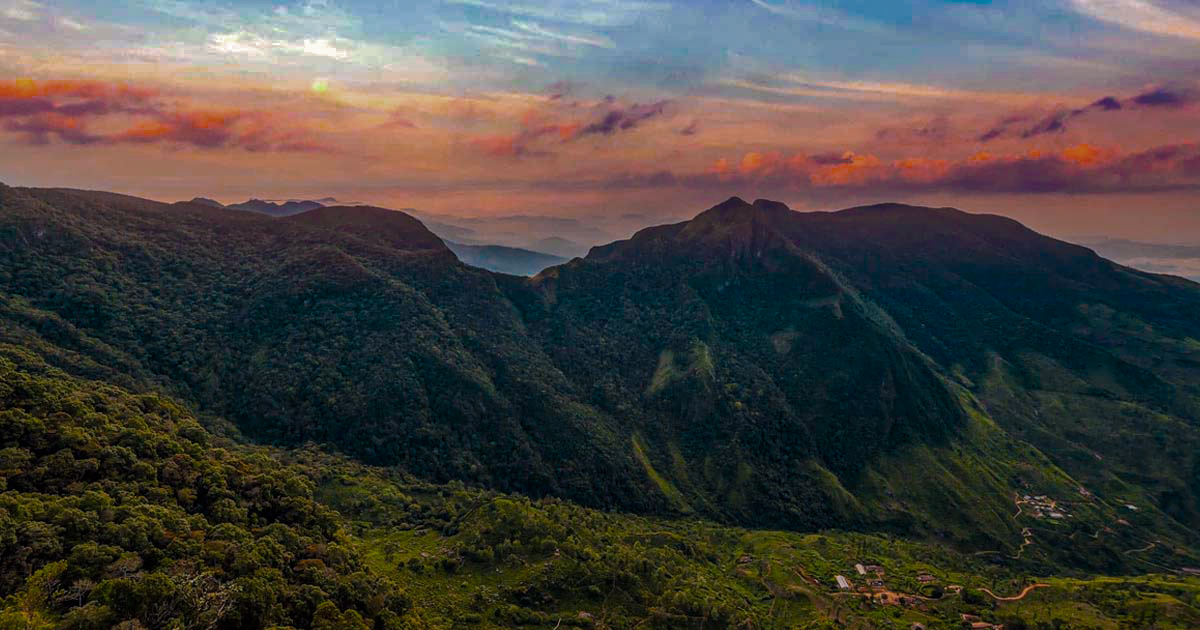
High above Sri Lanka’s hill country lies Horton Plains National Park, a UNESCO World Heritage Site famous for its breathtaking landscapes, unique wildlife, and one of the island’s most iconic hiking trails. A Horton Plains hike takes travelers across mist-covered grasslands, cloud forests, and rocky cliffs, offering a truly unforgettable experience. For foreign visitors seeking adventure, natural beauty, and biodiversity, Horton Plains is one of the best destinations in Sri Lanka.
● The Beauty of Horton Plains
Located about 2,100 meters above sea level, Horton Plains is the highest plateau in Sri Lanka. The park is home to wide open grasslands interspersed with patches of dense forest, crystal-clear streams, and dramatic waterfalls. Its unique environment supports a variety of endemic plants and animals, making it one of the country’s most important ecological regions.
● Hiking Trails and Highlights
The main hiking loop at Horton Plains is approximately 9 kilometers and takes about three to four hours to complete. Along the way, hikers encounter some of the park’s most famous landmarks:
- World’s End: A sheer cliff with a 900-meter drop, offering panoramic views over tea plantations and villages below.
- Mini World’s End: A smaller but equally stunning cliff with sweeping vistas.
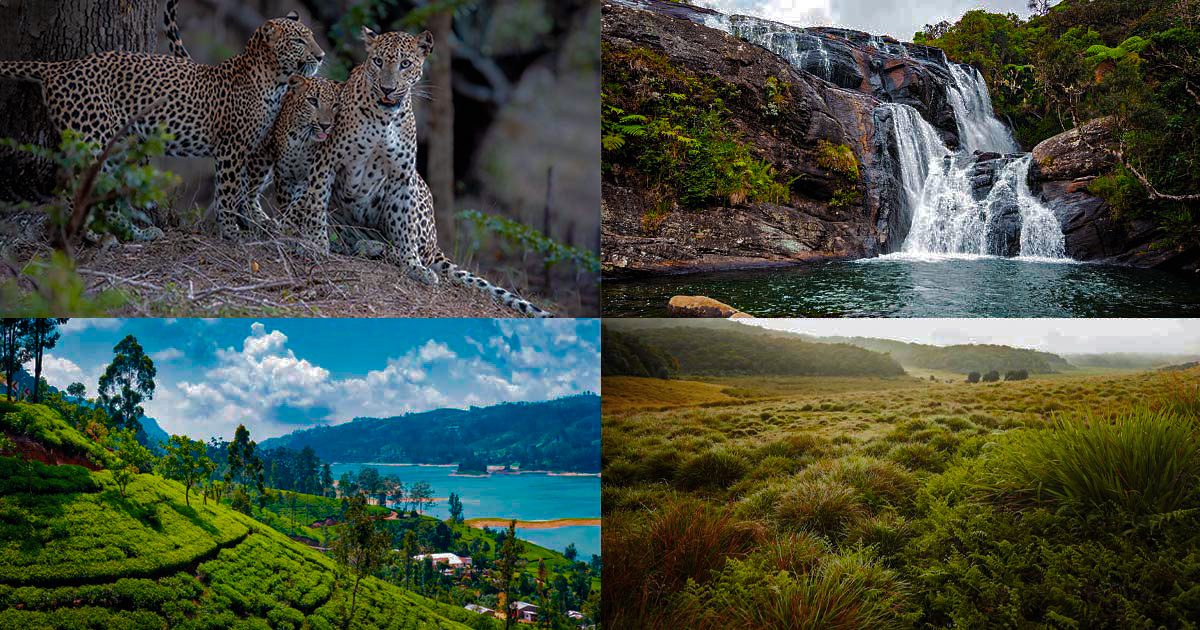
- Baker’s Falls: A beautiful waterfall named after explorer Sir Samuel Baker.
This trail combines natural beauty with adventure, making it suitable for both seasoned hikers and casual travelers.
● Unique Flora and Fauna
Horton Plains is home to many species found nowhere else in the world. Travelers may spot sambar deer grazing in the grasslands, along with rare birds such as the Sri Lanka whistling thrush and the dull-blue flycatcher. The park also shelters leopards, though sightings are rare. Its plant life includes montane forests, ferns, and wildflowers that thrive in the cool climate.
● The Climate and Atmosphere
One of the most memorable aspects of the Horton Plains hike is its atmosphere. Mornings often begin with clear skies and sweeping views, but mist usually rolls in by mid-morning, creating a dreamlike mood. The combination of cool air, silence, and vast landscapes makes the hike feel like a journey into another world.
● Cultural and Environmental Importance
The plateau holds deep cultural and environmental value. It is believed to have been named after Sir Robert Wilmot-Horton, a British governor, but it also appears in local legends. Horton Plains protects the headwaters of three major rivers in Sri Lanka—the Mahaweli, Kelani, and Walawe—making it vital for the island’s ecosystem and water supply.
● Best Time to Visit
The best time to hike Horton Plains is during the dry season from January to March, when skies are clearer and visibility at World’s End is excellent. Travelers should start before 6:00 AM to catch the views before the mist arrives. Temperatures remain cool year-round, especially early in the morning and late in the day.
● Travel Tips for Visitors
- Arrive early to enjoy clear views at World’s End.
- Wear sturdy hiking shoes for rocky and uneven trails.
- Bring warm layers, as mornings can be very cold.
- Carry water, snacks, and a camera to capture the scenery.
- Respect the environment—avoid littering and do not disturb wildlife.
● Why Travelers Love Horton Plains
Horton Plains offers a rare mix of adventure, serenity, and biodiversity. Hikers enjoy one of the most rewarding trails in the country, photographers find dramatic landscapes at every turn, and nature lovers appreciate the presence of rare wildlife. Its accessibility and unique environment make it an unforgettable hill-country experience.
● Conclusion
A Horton Plains hike is more than just a trek—it is a journey through one of Sri Lanka’s most remarkable natural landscapes. From the cliffs of World’s End to the misty plains and cascading waterfalls, Horton Plains captures the true essence of the island’s highland wilderness. For foreign travelers seeking iconic scenery and meaningful outdoor experiences, Horton Plains is a must-visit destination.