
● Introduction
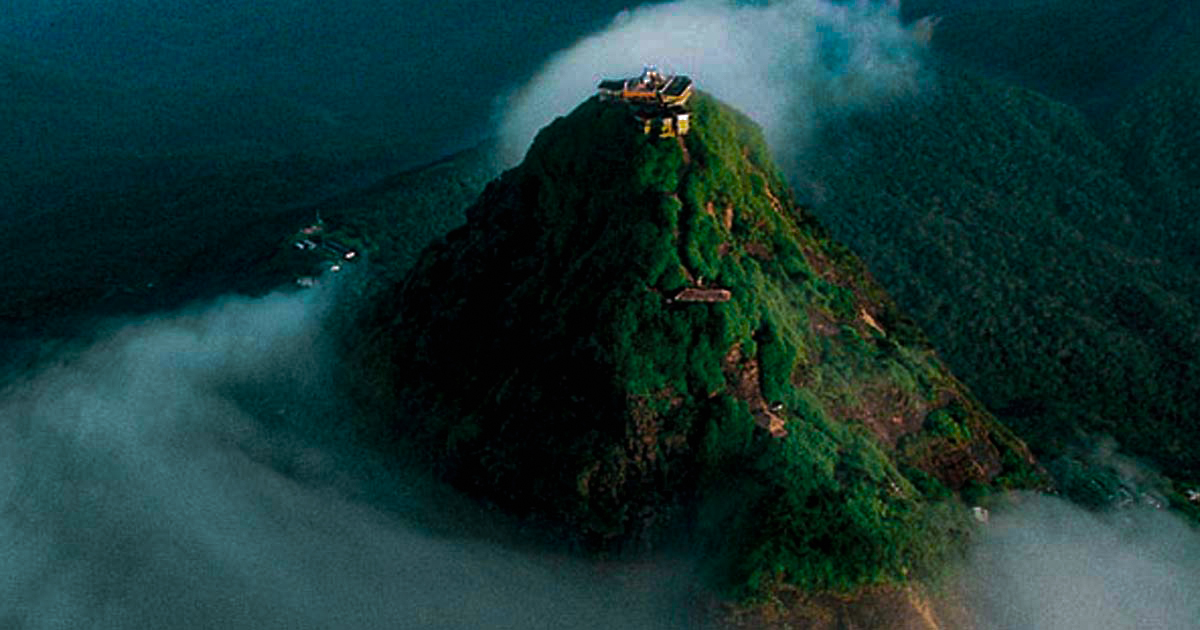
Adam’s Peak, or Sri Pada, is more than a mountain. It is one of Sri Lanka’s most sacred and culturally significant landmarks, drawing millions of pilgrims every year. Rising above the misty highlands, the mountain is unique not only for its beauty but also for its spiritual importance across multiple religions. For foreign travelers, climbing Adam’s Peak offers a rare opportunity to witness the cultural diversity, devotion, and traditions that shape the island’s identity.● A Mountain Shared by Many Faiths
One of the most fascinating aspects of Adam’s Peak is that it is revered by four major religions. This shared devotion makes it a symbol of unity and spiritual harmony:- Buddhists believe the sacred footprint at the summit belongs to Lord Buddha.
- Hindus associate it with Lord Shiva, calling the mountain “Shivanolipatha Malai.”
- Muslims and Christians believe the footprint marks where Adam set foot on Earth after leaving Eden.
● The Pilgrimage Tradition
The pilgrimage season, known as “Sri Pada Season,” runs from December to May. During this period, thousands of devotees climb the mountain each night. Many pilgrims ring the bell at the summit upon reaching the top — once for every time they have completed the climb. Some families make the journey annually, passing down the tradition through generations. Along the trail, you’ll find monks offering blessings, families carrying newborn babies as part of religious vows, and elderly pilgrims climbing slowly but with determination. The blend of devotion, discipline, and emotion makes the journey deeply meaningful for those witnessing it for the first time.● Rituals Along the Path
As you ascend, it becomes clear that Adam’s Peak is not just a hike — it is a spiritual ritual. Several cultural practices enrich the journey:- Lighting Oil Lamps – Pilgrims light clay lamps at shrines to seek blessings for good health and fortune.
- Offering Flowers – At small temples along the trail, devotees place flowers as symbols of respect.
- Chanting Pirith – Buddhist monks chant protective verses that echo through the mountain at night.
- Sharing Food – It is common for locals to offer tea, herbal drinks, or snacks to fellow climbers as acts of kindness.
● The Sacred Footprint
At the summit lies the most important cultural feature — the Sri Pada, or “Sacred Footprint.” The footprint is protected within a small temple, and pilgrims line up to offer prayers, tie threads, and make wishes. Whether viewed from a religious or historical perspective, the footprint is a powerful symbol of belief and tradition.● The Role of Buddhism
Although Adam’s Peak is revered by multiple religions, Buddhism plays a prominent role in the pilgrimage tradition. The climb is considered an act of merit, and many Buddhists believe completing it brings blessings for the year ahead. The path itself is lined with Buddhist flags, statues, and temples, reflecting the strong cultural heritage tied to the mountain.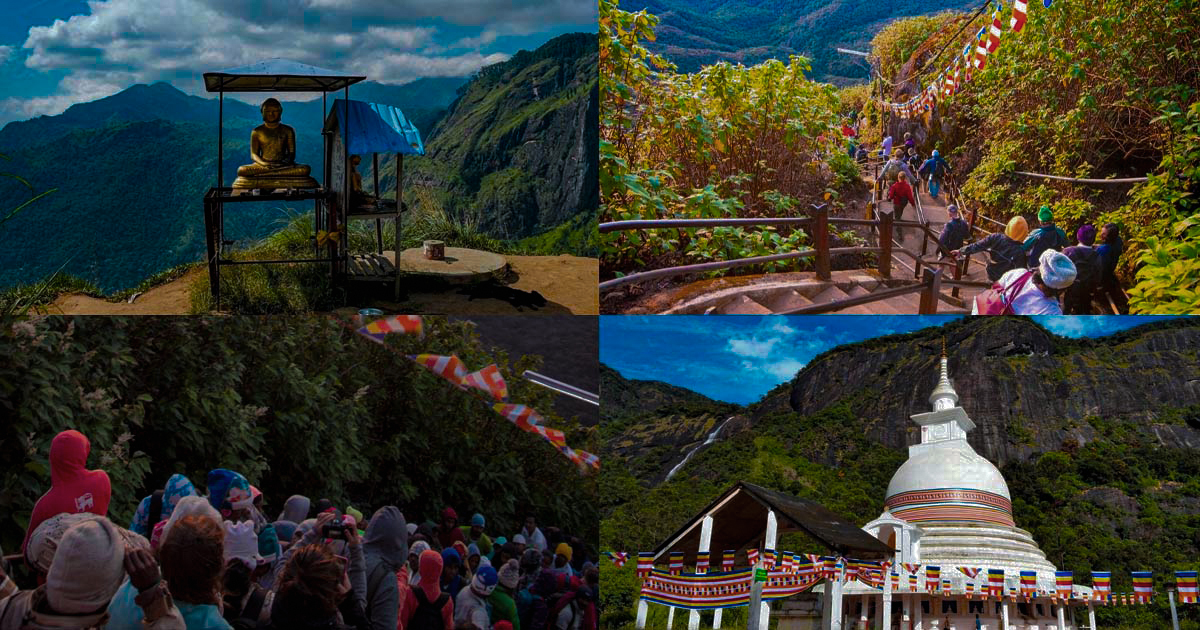
● Cultural Etiquette for Foreign Travelers
- Dress Modestly – Shoulders and knees should be covered as a sign of respect.
- Maintain Silence – The climb is a spiritual journey for many; speaking softly preserves the atmosphere.
- Respect Religious Sites – Photography is allowed in most areas but should not disrupt prayers or ceremonies.
- Do Not Overtake Rudely – Elderly pilgrims are afforded great respect; patience is appreciated.