
● Introduction
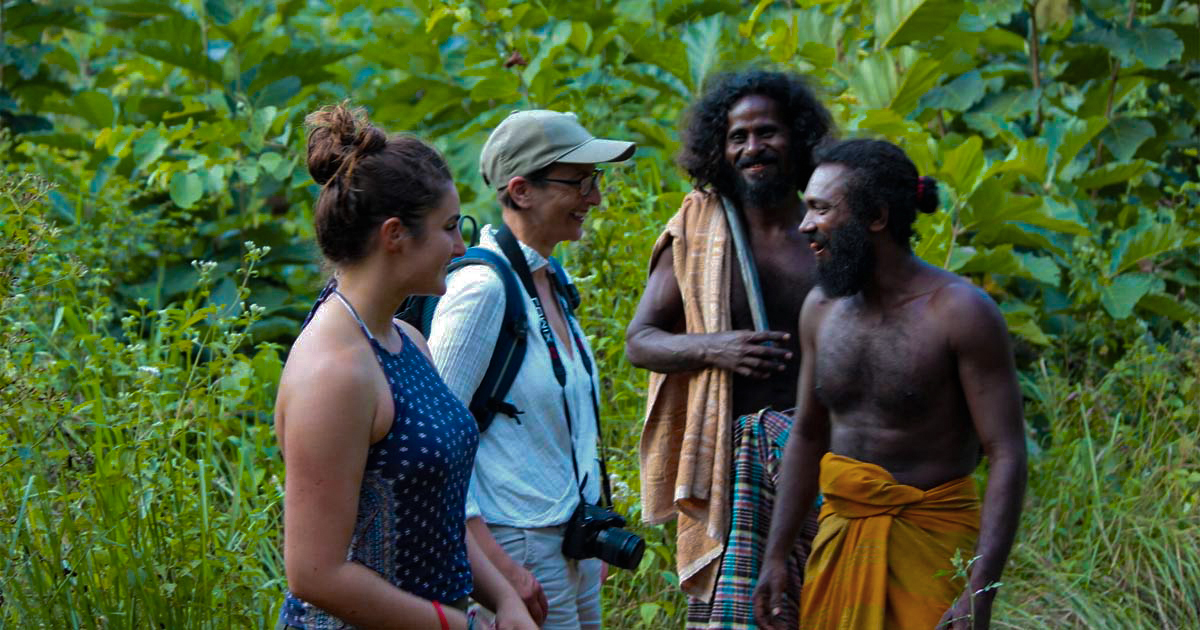
For travelers seeking authentic cultural encounters in Sri Lanka, few experiences are as meaningful as a cultural exchange with the Veddha community, the island’s last remaining indigenous tribe. Located in Dambana, near Mahiyanganaya, the Veddhas offer visitors a chance to step into a living tradition that stretches back thousands of years. This exchange goes far beyond simple sightseeing; it allows travelers to connect directly with the people, hear their stories, and understand their way of life from their own perspective.
● The Value of Cultural Exchange
Unlike visiting a museum or reading a book, cultural exchange involves active participation. Travelers not only observe but also engage in conversations, activities, and traditions. For the Veddhas, this exchange is equally valuable, as it provides them with opportunities to share their heritage while fostering respect for their community. Such interactions bridge the gap between modern visitors and one of the world’s oldest living cultures.
● Storytelling and Oral Traditions
One of the highlights of a cultural exchange is listening to the oral traditions of the Veddhas. Around a fire, elders share tales of ancestry, legends of the forest, and stories that explain their beliefs and survival practices. These narratives, passed down through generations, reveal how the community views nature, spirituality, and human relationships. Travelers often describe this as a profound experience, as it connects them to a worldview that values harmony with the environment.
● Language and Communication
Although many Veddhas today speak Sinhala, their unique dialect still survives among elders. Visitors may hear ancient words and expressions that belong exclusively to the tribe. Even when language barriers exist, communication often takes place through gestures, demonstrations, and shared activities. This creates an atmosphere of mutual curiosity and respect.
● Learning From Daily Life
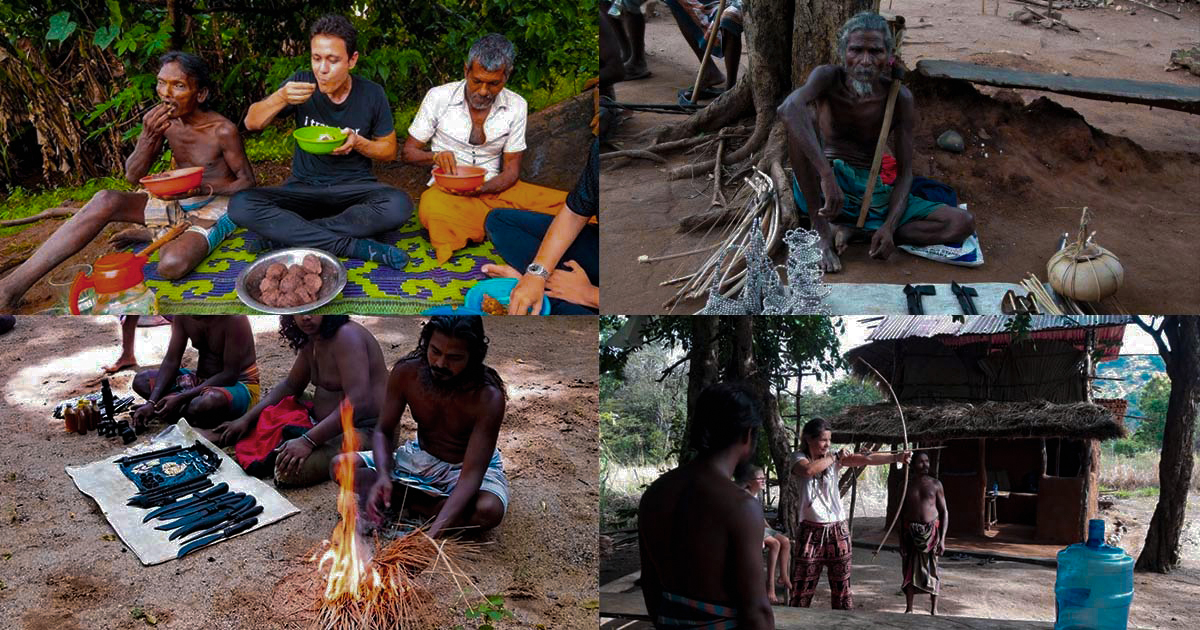
Cultural exchange also involves observing or even participating in daily tasks. Travelers may see how the Veddhas prepare food, gather honey, or use forest plants for medicine. Some visitors are invited to help collect firewood, watch how tools are crafted, or try traditional archery. Each activity opens a window into a lifestyle shaped by the forest and sustained through centuries of knowledge.
● Spiritual and Ancestral Beliefs
The Veddhas maintain deep spiritual connections with their ancestors and the forest. Through cultural exchange, visitors learn about rituals performed to honor ancestral spirits and maintain balance with nature. These practices highlight how spirituality is not separate from daily life but woven into every aspect of survival and community identity.
● Respectful Engagement
An essential part of cultural exchange is respect. Travelers are encouraged to interact with humility, listen attentively, and avoid behaviors that may seem intrusive. Simple gestures such as asking permission before taking photographs or showing appreciation for shared stories go a long way in fostering genuine connections.
● Why Cultural Exchange Matters
For foreign travelers, engaging with the Veddhas provides more than cultural curiosity—it creates lasting memories and deeper understanding. It also helps preserve traditions by supporting the community through respectful tourism. For the Veddhas, these exchanges validate the importance of their heritage in a rapidly modernizing world.
● Conclusion
A cultural exchange with the Veddha community is one of the most enriching experiences in Sri Lanka. It brings together history, tradition, and human connection in a way that no other activity can. For travelers, it is an opportunity to learn, share, and walk away with a new perspective on the island’s indigenous heritage.