
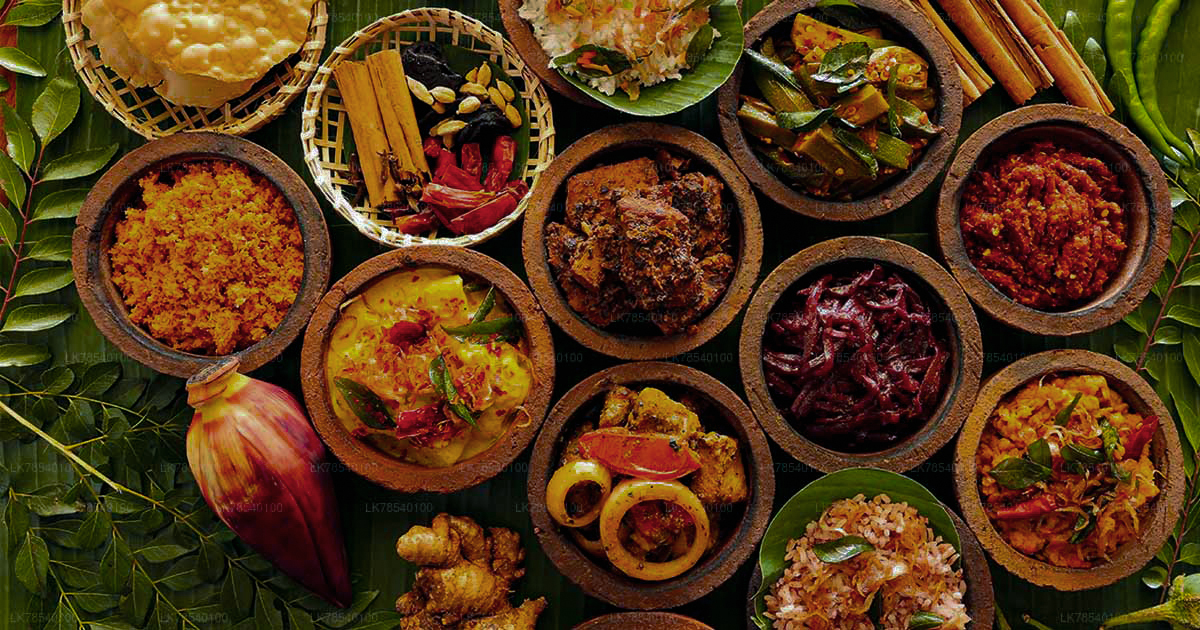
● Introduction
Cooking experiences in Sri Lanka offer foreign travelers a deeper and more personal connection to the island’s rich culinary heritage. Instead of simply tasting Sri Lankan food at restaurants, cooking classes allow visitors to explore ingredients, traditional techniques, and cultural stories behind each dish. Guided by local cooks, families, or village hosts, these experiences reveal the true heart of Sri Lankan cuisine—flavorful, colorful, and deeply rooted in everyday life.● Why Cooking Experiences Matter
Sri Lankan cuisine reflects centuries of culture, trade, religion, and local traditions. Learning to cook these dishes provides insight into:- The island’s spice culture
- Ayurvedic influences on food
- Unique cooking methods like clay pot slow-cooking
- Daily life in rural households
- Seasonal and regional differences in ingredients
● What Travelers Experience in a Cooking Class
Market Visit (Optional)
Many cooking tours begin with a local market visit. Travelers explore stalls filled with colorful fruits, vegetables, and spices while learning how locals choose ingredients. This is often the first time visitors see fresh pandan leaves, gotukola, wood apple, red rice, and live grinding of coconut.Resourseful Introduction to Spices
Sri Lanka is known worldwide as the “Spice Island.” Hosts typically explain the role of spices such as:- Ceylon cinnamon
- Cloves
- Cardamom
- Curry powder blends
- Turmeric
- Pepper
- Mustard seeds
🍛 Hands-On Cooking
The real experience begins in the kitchen—usually an open village kitchen or a homestyle setting. Travelers help prepare classic dishes such as:- Dhal curry
- Pol sambol
- Coconut roti
- Jackfruit curry
- Fish ambul thiyal
- Pineapple curry
- Brinjal moju
Use of Fresh Coconut
Sri Lankan cooking relies heavily on coconut milk, coconut oil, and grated coconut. Visitors usually learn how to extract coconut milk by hand—a local technique that adds richness and authenticity to curries.Tasting the Meal
After cooking, everyone sits together to enjoy the meal. This shared dining experience is often the highlight of the tour. Many travelers describe it as intimate, warm, and culturally enriching.
● Where to Experience Cooking Tours
- Kandy – Hill-country produce & home-style cooking.
- Ella – Cozy homestays with mountain views.
- Galle & Unawatuna – Seafood curries & coastal flavors.
- Sigiriya & Habarana – Village cooking linked to farming traditions.
- Jaffna – Fiery spices, unique ingredients & Tamil cuisine.
● Cultural Value of Cooking Classes
These experiences provide deep cultural understanding. Travelers learn:- How Sri Lankan families cook and eat together
- Why rice and curry is central to daily life
- The cultural meaning behind sharing meals
- How food is tied to festivals, seasons, and religion
● Sustainable and Responsible Tourism
Many cooking tours are run by small families, village homes, or women-led businesses. Participating supports local livelihoods, promotes ethical tourism, and preserves traditional culinary knowledge.● Best Time to Join a Cooking Experience
Cooking classes are available year-round. Morning sessions often include market visits, while evening classes are relaxed and suited for travelers returning from excursions.● Tips for Travelers
- Wear comfortable clothing
- Be open to tasting new flavors
- Ask questions—hosts love sharing stories
- Inform hosts of dietary restrictions in advance
- Bring a notebook for recipes
- Respect cultural norms and home environments