
● Introduction
Sri Lanka is known for its beaches, forests, and mountains, but its lagoons and waterways are just as captivating. Among the best ways to explore them is through lagoon kayaking, which combines adventure, relaxation, and cultural encounters. Two of the most popular locations for this activity are the Madu River in Balapitiya and the Negombo Lagoon, both offering unique ecosystems and scenic experiences. For foreign travelers, kayaking through these lagoons is an opportunity to discover a quieter, more authentic side of Sri Lanka.
● Why Lagoon Kayaking?
Unlike speed-based water sports, kayaking is slow and immersive, allowing travelers to appreciate nature at their own pace. It is eco-friendly, peaceful, and suitable for beginners. The shallow waters of Sri Lanka’s lagoons make them ideal for kayaking, while the surrounding mangroves, birdlife, and fishing villages add cultural and natural richness to the adventure.
● Madu River Kayaking
The Madu River Wetland, a UNESCO-protected ecosystem, is one of Sri Lanka’s most biodiverse areas. Located near Balapitiya on the southwest coast, it consists of nearly 900 hectares of water, mangrove forests, and islands. Kayaking here allows travelers to:
- Paddle through narrow mangrove tunnels, surrounded by lush greenery.
- Observe a wide range of bird species, including kingfishers, cormorants, and eagles.
- Spot water monitors, monkeys, and other wildlife along the banks.
- Visit small islands, some home to cinnamon plantations and Buddhist temples.
The calm waters of Madu River make it suitable for both beginners and experienced kayakers, and guided tours ensure safety while providing insights into the ecosystem.
● Negombo Lagoon Kayaking
Closer to Colombo, the Negombo Lagoon offers a different but equally fascinating kayaking experience. Known for its connection to the fishing industry, the lagoon is dotted with fishing boats and traditional stilt nets. Kayaking here allows visitors to:
- Glide past mangroves and salt marshes.
- Witness daily life in fishing communities.
- Spot migratory birds during the season.
Negombo’s proximity to the airport makes it a convenient stop for travelers with limited time who still want to experience Sri Lanka’s natural beauty.
● The Kayaking Experience
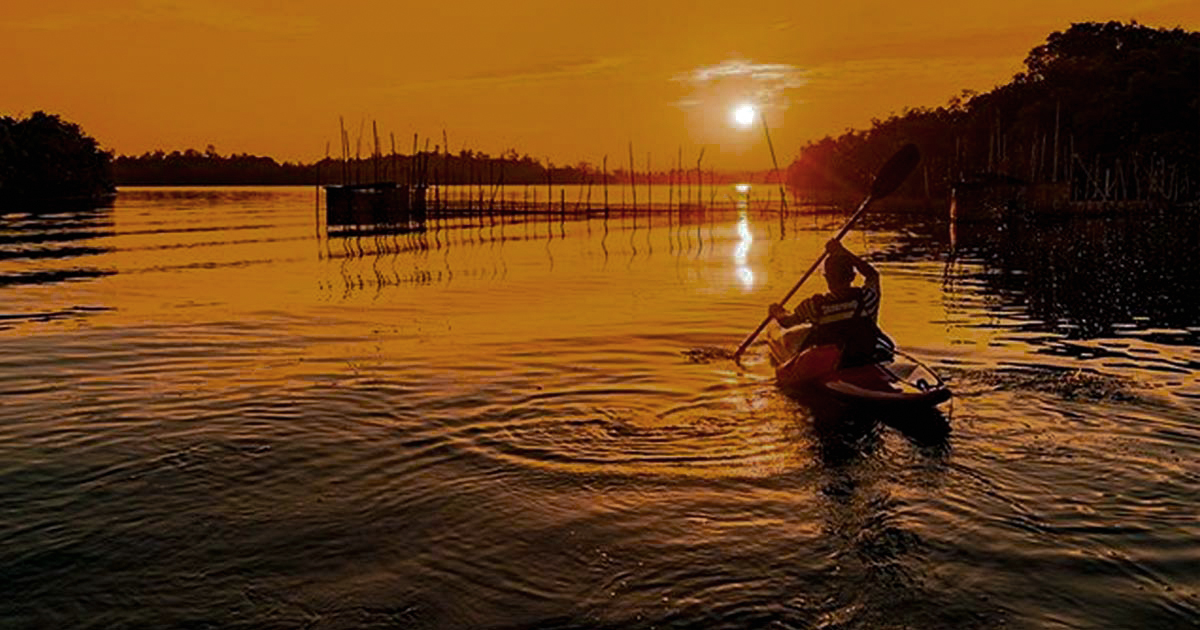
Kayaking tours typically last two to three hours and are guided by local experts. Beginners are given basic paddling instructions before setting out. The pace is relaxed, allowing travelers to take photos, enjoy the scenery, and observe wildlife without disturbance. For those seeking more adventure, longer excursions and sunrise or sunset tours can be arranged.
● Best Time to Go Kayaking
The best time for lagoon kayaking in both Madu River and Negombo is from November to April, when the weather is dry, and the waters are calm. Early mornings and late afternoons are especially rewarding, with cooler temperatures and better chances of wildlife sightings.
● Travel Tips for Visitors
- Wear lightweight clothing and bring a hat and sunscreen.
- Carry waterproof bags for phones and cameras.
- Follow guides’ instructions to navigate narrow mangrove passages safely.
- Respect local communities and avoid littering in the lagoons.
- Book tours with eco-friendly operators to support conservation efforts.
● Why Travelers Love Lagoon Kayaking
Foreign travelers love lagoon kayaking because it offers both adventure and cultural connection. Unlike high-speed water sports, kayaking allows for a more intimate experience with nature. Whether it’s drifting under a canopy of mangroves in Madu River or watching fishermen haul in their catch at Negombo Lagoon, every moment feels authentic and immersive.
● Conclusion
Lagoon kayaking in Sri Lanka, especially in the Madu River and Negombo Lagoon, is an ideal way to explore the country’s hidden waterways. With serene landscapes, diverse wildlife, and cultural encounters, it offers a refreshing alternative to beach and mountain adventures. For travelers looking to experience Sri Lanka beyond the typical tourist trail, lagoon kayaking is a must-do activity that blends nature, culture, and relaxation.